As an Amazon Associate, we earn from qualifying purchases. Some links on this site are affiliate links at no extra cost to you. Our recommendations are based on thorough research and editorial judgment.


Why Your Olive Tree Has Yellow Leaves and How to Fix It

Yellow leaves on an olive tree usually point to nutrient shortages or watering problems. Check if older leaves turn yellow—this often signals nitrogen deficiency, addressed by applying a balanced 10-10-10 fertilizer in spring. Avoid overwatering by letting the top 2 inches of soil dry before adding water, especially when temperatures exceed 70°F. Make sure the soil drains well to prevent root rot. Keep the tree in full sun for six hours daily. Following these steps improves leaf health but there’s more to maintaining health.
Key Takeaways
- Yellow leaves on olive trees often indicate nutrient deficiencies, especially nitrogen, potassium, magnesium, or calcium, requiring targeted fertilization.
- Overwatering or poor soil drainage suffocates roots, causing yellowing; improve drainage and water only when the top 2 inches of soil are dry.
- Insufficient sunlight or extreme temperatures (above 90°F or below 40°F) stress the tree and cause yellowing; provide adequate light and temperature protection.
- Root-bound conditions limit nutrient uptake; repot into larger containers with well-draining, organic matter-enriched soil to promote healthier roots.
- Prune dead or yellow leaves with clean tools during late winter to encourage new growth and maintain tree health.
Common Causes of Yellow Leaves on Olive Trees
Although yellow leaves on olive trees might look alarming, they usually point to a few common issues. Nutrient deficiencies, especially nitrogen lack, are frequent causes. When nitrogen is low, older leaves turn yellow first because the tree reallocates nutrients to younger growth. Overwatering is another common problem. It can suffocate roots by eliminating soil oxygen, causing yellowing issues primarily on older foliage. It’s important to let soil dry out completely between waterings, roughly every 7-10 days depending on temperature and pot size. To check, insert a finger 2 inches into the soil—if it feels moist, hold off watering. Monitoring these factors helps maintain healthy, green leaves and prevents stress that leads to yellowing, keeping the olive tree thriving throughout the growing season. Using a soil moisture meter can provide accurate moisture readings to avoid overwatering and promote optimal olive tree health.
How Sunlight and Temperature Affect Leaf Color

Nutrient deficiencies and watering habits are obvious culprits behind yellow leaves, but sunlight and temperature play equally important roles in an olive tree’s health. Olive trees require at least six hours of direct sunlight each day to maintain vibrant, green leaves. If sunlight is insufficient, leaves often turn yellow and the tree’s growth slows. Temperature also impacts leaf color. When daytime temperatures exceed 90°F without adequate water, thermal stress causes leaves to yellow and wilt. Conversely, prolonged exposure to temperatures below 40°F can similarly lead to yellow leaves and weakened growth. Fluctuations in temperature disrupt nutrient absorption, intensifying leaf yellowing. Protecting olive trees by ensuring full sunlight and shielding them from extreme heat or cold helps prevent yellow leaves and supports overall tree vigor. For indoor spaces, choosing an 18-inch olive tree with flexible wire stems can help optimize light exposure by adjusting branch positions to maximize sunlight.
Recognizing Nutrient Deficiencies in Olive Trees

Identifying nutrient shortages in olive trees begins with close observation of leaf changes and growth patterns. When older leaves turn yellow while new ones stay green, it often signals nitrogen deficiency. Potassium lack causes yellowing and browning along leaf edges, starting with older leaves first. Watch for interveinal chlorosis, where leaf tissue between veins yellows—this points to magnesium deficiency and can lead to leaf drop. Pale or yellow-white young leaves with stunted growth indicate calcium deficiency. Regular soil testing every six months helps monitor nutrient levels accurately. Applying fertilizers based on these results supports tree health and fruit production. Recognizing these patterns early lets you act before yellow leaves worsen, maintaining a healthy, thriving olive tree year-round. Maintaining soil pH between 6.0 and 8.0 improves nutrient uptake and helps prevent these deficiencies.
Recommended Products

OUR CARBON 60 OLIVE OIL IS HELD TO THE HIGHEST STANDARDS It's tested for purity and quality. Like our C60 powder, we use lab tested high Polyphenol Extra Virgin Olive Only. Using the best ingredients means using only extra virgin olive oil

Package contains 160 evergreen fertilizer spikes and are produced to avoid wasteful runoff, mess, hazards and smells

Feel Proud of Your Lawn: Slow release fertilizer packed with 65% granular nitrogen - this spring lawn fertilizer feeds up to 110 days for deep green grass and lush growth you’ll love coming home to
Identifying Watering Issues That Lead to Yellow Leaves

Yellow leaves on an olive tree can indicate problems beyond nutrient levels, such as watering mistakes. Overwatering is common; saturating soil suffocates roots and causes yellowing leaves. I recommend checking the soil moisture before watering: the top 2 inches should dry out first. If soil feels sticky or waterlogged, hold off to prevent root damage. On the other hand, underwatering causes yellowing leaves that become brittle and fall off. Olive trees need consistent moisture, especially when temperatures exceed 70°F during growing seasons. I suggest watering when the soil is dry and reducing frequency in cooler months when growth slows. Monitoring soil texture regularly helps avoid these watering issues. Regular soil tests also provide insight, ensuring that the root zone stays moist but not soggy for healthy, green foliage. Using a moisture meter can be an effective way to monitor soil hydration levels and avoid overwatering.
Recommended Products
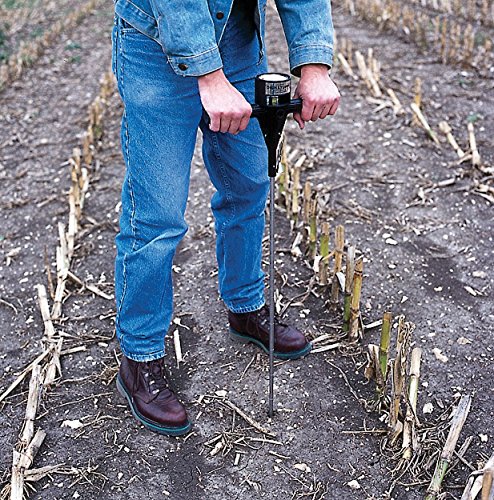
Price For: Each Manufacturers Warranty Length: 1 year Probe Length (In.): 30 Probe Dia. (In.): 1/2 and 3/4 Probe Material: Steel Pressure Range (PSI): 0 to 500 Item: Soil Compaction Tester Includes: Two Tips and Instructions Country of Origin (subject to change): United States
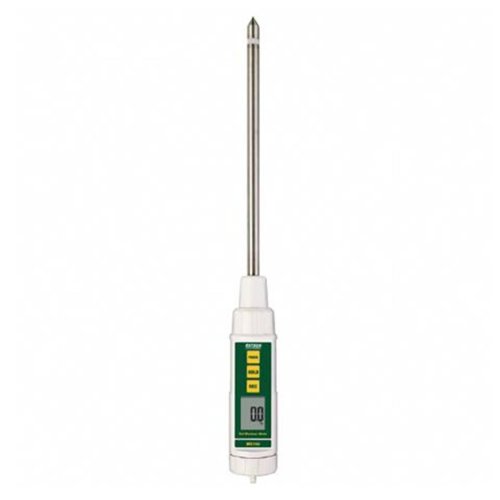
Reliable Soil Moisture Measurement - Take the guesswork out of plant care. The Extech MO750 provides precise soil moisture readings with its durable 8" stainless steel probe, helping you monitor conditions deep beneath the surface.

Direct readout for 40 different grain scales
The Role of Soil Conditions and Drainage

Soil conditions play an essential role in maintaining a healthy olive tree. Olive trees need well-draining soil because poor drainage suffocates roots and causes yellowing leaves. Heavy clay soil holds too much water and stays cold, which stresses the tree. To prevent this, monitor soil moisture by checking if the top 2 inches is dry before watering again. Adding organic matter can improve drainage, especially in container plants where potting mixes designed for aeration work best. Also, watch for roots growing out of drainage holes—this shows the tree is root-bound and needs transplanting. Revitalizing soil conditions with a suitable mix promotes better growth and minimizes leaf yellowing. Proper soil conditions and drainage directly support olive tree health and reduce yellow leaf problems efficiently. For optimal results, use a potting mix maintaining the ideal moisture retention balance to ensure strong root development and avoid root rot.
Detecting and Managing Pests Affecting Olive Trees
Once soil and drainage concerns are addressed, paying attention to pests becomes the next step in caring for an olive tree. Common pests like mealybugs, red spider mites, and aphids feed on leaves, causing yellowing and leaf drop. Regularly inspect leaves and stems every seven days, looking for tiny insects or webbing. Using insecticidal soap is effective; spray during early morning when temperatures range 60-80°F, covering leaves thoroughly. Repeat every 7-10 days for three applications. Introducing ladybugs helps control pests naturally. Maintaining good air circulation by pruning branches and removing fallen leaves reduces infestations. Clean up leaf drop promptly to avoid pest buildup. Applying neem oil as an alternative also helps, but follow label instructions carefully. Early detection and timely treatment prevent further yellowing and preserve tree health. Additionally, ensure your olive tree has adequate spacing of at least 2 feet around it to promote good air circulation and reduce pest problems.
Recognizing Olive Tree Diseases That Cause Leaf Yellowing
How can one tell if diseases are behind an olive tree’s yellow leaves? Diseases like Cercospora cladosporioides and Cycloconium show up as chlorotic spots or grey circular marks on leaves. These spots often cause gradual yellowing before leaves drop. Fungal infections usually worsen with high humidity above 70% and overwatering. Yellowing may also coincide with potassium deficiency, creating yellow leaf edges and necrosis, or boron shortages that distort growth. Inspect leaves closely for these specific symptoms to differentiate from pest damage. Preventive steps include ensuring good air circulation—about 10 mph breeze is ideal—and avoiding waterlogged soil by watering deeply but less frequently. Timely sanitation, such as removing fallen leaves every two weeks, also reduces disease risk, helping maintain healthy foliage and reducing further yellowing caused by infections. Applying organic seaweed and kelp fertilizers can enhance soil biodiversity, improving the tree’s resilience against disease and nutrient deficiencies.
Effective Pruning Techniques to Promote Healthy Growth
Dealing with yellow leaves is just one part of keeping an olive tree healthy. Effective pruning plays a vital role in promoting new growth and overall vigor. Use clean, sharp tools to make precise cuts that prevent disease. Start by removing dead or damaged branches, focusing your energy on healthy parts. Always prune just in front of a leaf node—this encourages fresh new growth from that exact point. Late winter, during the tree’s dormant phase, is the best time to prune. This timing helps the tree recover and supports vigorous spring growth. Regular inspections are essential. Remove any branches showing insect damage or disease before they worsen. Remember, pruning is both a health check and a shaping tool for your olive tree. It keeps the tree strong and reduces yellowing leaves. Following pruning basics for olive trees ensures you use the right techniques to maintain tree vitality and fruit yield.
Recommended Products

【UP TO 45mm CUTTING DIAMETER】- SWANSOFT-8612 electric tree trimmer blades can easily cut through branches up to 45mm thick without causing damage. The blades of this battery pruning shears are forged from Swiss SK5 high-carbon steel, which is sharp and resistant to wear and tear. Flat and fast pruning like cutting butter easily

【Designed for Orchard, Vineyard & Large Backyard Trees】Built for real pruning work across orchards and residential landscapes, Kebtek KT 9035 battery operated pruners easily cut apple, peach, olive trees, and grapevines up to 35mm (1.38 inch). Also suitable for common American yard trees such as oak, maple (sugar & red maple), pecan, eucalyptus, and palm trees, making it a versatile solution for both fruit farms and home gardens.

TaskStar 2-in-1 Electric Pruner: Effortlessly switch between handheld and pole mode, offering flexible pruning for a variety of tasks; Trim low shrubs with precision or extend the pole to easily reach high branches—one tool, limitless possibilities
Best Practices for Watering Olive Trees
Although olive trees are drought-tolerant, proper watering is essential to their health. Water olive trees when the top 2 inches of soil feel dry to the touch. Verify the soil stays moist but not soggy, as overwatering can cause root rot or suffocation. Use well-draining soil and pots with drainage holes so excess water escapes easily. Remember, olive trees need at least six hours of sunlight, and potted trees dry out faster, requiring closer moisture checks. Adjust watering frequency by season—more often in summer, less in cooler months. Testing soil helps refine watering habits and reveals if nutrient levels need adjusting. These steps maintain a balanced moisture environment, supporting nutrient absorption that prevents yellow leaves and promotes vigorous growth. Selecting a well-draining potting mix specifically formulated for olive trees helps prevent waterlogging and encourages robust root development.
Recommended Products

Specifically Formulated for Olive Trees: This potting mix is designed to replicate Mediterranean conditions, balancing moisture retention and drainage for strong roots and healthy growth, indoors and outdoors.

✅ 🌿 Unleash Olive Tree Excellence: Our premium potting mix enhances growth, health, and productivity, resulting in flourishing olive trees.

Comes in a High-Quality Resealable Pouch for Future Use
Choosing the Right Fertilizer for Olive Tree Health
Watering keeps olive tree roots healthy, but nutrient supply supports leaf color and growth. Fertilizers with balanced nutrients play an important role, especially when combating nitrogen deficiency, which often causes yellow leaves. Use a fertilizer with an N-P-K ratio of 10-10-10 during spring to early fall. This guarantees essential macronutrients like nitrogen, phosphorus, and potassium support overall tree health. Incorporate micronutrients too—calcium nitrate or magnesium sulfate supplements address specific yellowing issues tied to deficiencies. Apply fertilizers late afternoon or early evening to maximize absorption and prevent leaf burn from sunlight. Regular soil testing is advisable; it pinpoints nutrient gaps and tailors fertilization needs. These steps help maintain vibrant, healthy olive leaves and foster consistent growth throughout the growing season. For those maintaining faux or real olive trees indoors or on balconies, ensuring proper maintenance enhances the plant’s longevity and appearance.
Recommended Products

Cold-pressed from certified organic olives for optimal flavor

Soft, Spongy Natural Texture - Reindeer Moss offers a fresh, cushiony feel that brings dimension and softness to arrangements. Its rich texture enhances home decor, plant decor, and creative displays with natural depth.

PHOSPHORUS-RICH - Supercharge your greens with Grow More's garden fertilizer for outdoor plants and flowers, packed with high phosphorus to strengthen roots, enhance bloom and fruit production, and boost essential processes like photosynthesis
Monitoring and Maintaining Olive Tree Vitality
When caring for an olive tree, regular monitoring is key to catching problems early and keeping it healthy. Checking the leaves weekly helps spot yellowing or pest issues before they worsen. Maintaining proper soil moisture means watering only after the top 2 inches have dried, preventing root rot or dehydration. Prune any dead or yellow leaves promptly to improve air circulation and encourage new growth. Tracking growth patterns and leaf color reveals nutrient needs so fertilization can be adjusted accurately. It’s also important to monitor sunlight exposure, ensuring the tree receives at least six hours of direct sunlight daily for ideal vitality. These steps create a routine that supports the olive tree’s health and reduces the risk of yellow leaves caused by neglect or imbalance.
Protecting Olive Trees From Environmental Stressors
Because olive trees excel in sunny conditions, they need at least six hours of direct sunlight daily to avoid yellow leaves and stunted growth. Environmental stressors like extreme heat or frost cause yellowing and health decline. When temperatures drop below 32°F, move potted olive trees indoors or to sheltered spots. During heat waves above 90°F, provide shade and water deeply every few days to reduce stress. Adequate soil drainage is essential to prevent root suffocation from excess moisture that also yellow leaves. Use pots with drainage holes and soil that dries within 2-3 days after watering. Consistently check soil moisture; allow the top two inches to dry before watering again. These steps help maintain olive tree health despite environmental challenges.
Frequently Asked Questions
How Do I Fix Yellow Leaves on My Olive Tree?
Yellow leaf treatment for olive tree care involves applying nitrogen-rich fertilizer, ensuring well-drained soil, avoiding overwatering, inspecting for pests, using neem oil if needed, and pruning dead leaves to promote healthy new growth and airflow.
Are Coffee Grounds Good for Olive Trees?
Coffee grounds offer coffee benefits for olive trees by providing nitrogen and enhancing soil health. However, their impact on soil acidity requires moderation, as excessive use can increase acidity, potentially harming olive trees that prefer neutral to slightly alkaline conditions.
What Does an Overwatered Olive Tree Look Like?
Overwatering signs appear in 70% of cases as yellowing leaves, especially older ones, signaling poor root health. The olive tree may show swollen, mushy foliage, wilting despite wet soil, and soggy conditions that harm root essentiality.
How Can I Bring My Olive Tree Back to Life?
To revive an olive tree, proper olive tree care includes improving soil drainage, adjusting watering frequency to prevent soggy roots, applying nitrogen-rich fertilizer if needed, pruning dead branches, ensuring ample sunlight, and monitoring for pests to restore energy.


