As an Amazon Associate, we earn from qualifying purchases. Some links on this site are affiliate links at no extra cost to you. Our recommendations are based on thorough research and editorial judgment.


Common Fungal Diseases in Olive Trees and Prevention

Common fungal diseases in olive trees include olive leaf spot, anthracnose, Verticillium wilt, and Phytophthora root rot. Olive leaf spot causes dark 3-5 mm lesions and needs copper fungicides applied at 10 to 20°C in late autumn. Anthracnose affects fruits with sunken lesions; improve air flow and spray copper every 7-14 days during wet periods at 20-30°C. Proper soil drainage prevents Phytophthora, while removing infected wood helps control wilt. More strategies can improve orchard health and yield.
Key Takeaways
- Olive leaf spot causes dark circular leaf lesions leading to defoliation and is prevented by copper fungicide applications in late autumn.
- Anthracnose presents as sunken fruit and leaf lesions and is managed by improving airflow and applying copper fungicides every 7-14 days.
- Verticillium wilt causes branch wilting and canker symptoms; prevention focuses on sanitation and avoiding infected soil planting.
- Phytophthora root rot causes wilting from poor drainage; prevention includes proper soil drainage and limiting excessive irrigation.
- Integrated management combines cultural practices, pruning, fungicides, and biological agents like Trichoderma for effective fungal disease control.
Olive Leaf Spot (Peacock Spot) Overview
Olive leaf spot, also called peacock spot, is a common fungal disease caused by *Spilocaea oleaginea*. It forms dark, circular lesions about 3-5 mm wide on the olive leaf surface. These spots often have a yellow halo and become so numerous that leaves drop prematurely. The disease thrives in moist, cool conditions, especially between 13-20°C, with prolonged leaf wetness of 12 hours or more. Effective pest management focuses on quick removal of fallen infected leaves to reduce spores and improve air circulation by pruning. Applying copper-based fungicides in late autumn, when temperatures drop below 15°C, helps prevent new infections. Avoiding overhead irrigation reduces leaf wetness, decreasing fungal spread. Regular monitoring and timely intervention maintain tree health and minimize yield loss due to disease pressure on the olive leaf canopy. Improving air circulation through selective pruning techniques is essential to reduce moisture and limit fungal growth on olive trees.
Characteristics of Anthracnose Disease

Anthracnose is a fungal disease caused mainly by *Colletotrichum gloeosporioides* that targets fruit, leaves, and twigs. The infection lifecycle begins when spores land on wet surfaces during warm fall weather, usually between 20°C and 30°C. They germinate and penetrate plant tissues, creating sunken, dark lesions. Spores spread further through rain splash, continuing the cycle. Effective anthracnose management involves improving air circulation and pruning to reduce leaf wetness. Avoid overhead irrigation and remove infected debris promptly to cut inoculum sources. Copper-based fungicides work best when applied in late fall before new infections start. Understanding this lifecycle helps time treatments better, reducing losses. By staying observant and consistent, growers can limit anthracnose damage and protect fruit quality through integrated cultural and chemical controls. For optimal control, copper fungicides are recommended for application every 7-14 days during the infection period to maximize disease management effectiveness.
Symptoms and Impact of Verticillium Wilt

When the soilborne fungus *Verticillium dahliae* invades, the earliest signs usually appear as wilting and yellowing of olive tree leaves. Early symptoms often include defoliation on one or several branches, progressing unevenly. Internally, brown vascular discoloration develops in the wood, restricting water movement and causing leaf scorch in hot weather above 30°C. Over time, branches die back, and trees show general decline that can lead to death in severe cases within 1 to 3 years. Management strategies focus on preventing spread through sanitation and avoiding planting in infected soil. Crop rotation with non-host plants and maintaining tree vigor through balanced irrigation and fertilization also help. Once infected, trees rarely recover, so early detection and removing severely affected specimens is critical for controlling Verticillium wilt. Additionally, understanding the pruning practices to improve airflow and light penetration can reduce the risk of disease development.
Understanding Phytophthora Root and Crown Rot

After exploring Verticillium wilt, it’s helpful to understand another serious threat to olive tree health: Phytophthora root and crown rot. This disease thrives in poorly drained soils where waterlogging occurs. Proper soil drainage is essential to prevent infection. The fungus attacks roots and the trunk’s collar, causing decay and soft rot. Early infection symptoms include wilting, yellowing leaves, and reduced tree vigor. As the disease advances, roots rot visibly, and the trunk base feels soft or sunken. Monitoring soil moisture and ensuring the planting site drains well are effective preventive steps. Avoiding excessive irrigation during rainy seasons also helps reduce risk. When managing affected trees, improving drainage and removing severely decayed roots can slow disease progression, but prevention remains the best strategy. Using fungicides like Bonide Captain Jacks Copper Fungicide Spray can be an effective part of managing fungal diseases in olive trees.
Effects of Wood Decay Fungi on Olive Trees

Although wood decay fungi often start quietly inside an olive tree, their impact can be serious and long-lasting. These fungi invade the tree’s internal wood, causing rot that weakens branches and trunks. Symptoms include branch dieback, cankers, and visible xylem browning. White and brown wood rot commonly begin at the trunk base, spreading upwards over time. This damage can reduce tree vigor and crop yield. Effective disease management requires early detection through regular inspection for wood discoloration and dieback signs. Pruning infected branches at least 30 cm below visible symptoms helps slow spread. Sanitize tools between cuts with a 10% bleach solution to avoid contamination. Maintaining tree health through proper irrigation and nutrition also reduces vulnerability to wood decay fungi, ultimately improving orchard longevity and productivity. Additionally, using a potting mix tailored for olive trees can improve overall tree health by promoting root vigor and resilience against diseases.
Environmental Conditions Favoring Fungal Infections
Managing wood decay fungi relies heavily on understanding the environmental conditions that encourage fungal infections. These fungi thrive in warm, moist environments where favorable weather includes temperatures between 15-25°C combined with prolonged leaf wetness. High humidity above 85% also supports spore germination and fungal growth. Soil conditions play a critical role; poorly drained, compacted soils with waterlogging increase fungal risks by stressing trees and promoting root decay. Conversely, well-aerated soils with pH levels between 6.0 and 7.5 reduce infection likelihood. Monitoring rainfall patterns is essential since frequent rains create wet surfaces favoring fungal spores. Recognizing these conditions allows timely interventions before infections establish. Understanding that soil moisture and weather act together prepares growers to anticipate disease outbreaks and protect olive tree health effectively. Using well-maintained and stable planters, such as those designed for artificial olive trees, can help minimize fungal infection risks by improving drainage and airflow around the tree base.
Recommended Products

HANDCRAFTED FIBERGLASS SPHERE PLANTER - Each Cosapots Orbo round globe planter is handcrafted from high-quality fiberglass and resin by skilled artisans under the guidance of Belgian architects, the premium alternative to plastic or fiberstone.

Compact Yet Sturdy Design: Introducing our 21″ by 17.5″ rounded square rolling planter pot-a small powerhouse perfect for your patio. Despite its size, this planter boasts heavy-duty locking wheels, robust frames, and exceptional drainage holes for watering.

Manufactured in the USA: Proudly crafted in the United States
Cultural Practices to Reduce Disease Spread
When aiming to reduce fungal disease spread in olive trees, pruning plays a crucial role. Removing dense or dead branches improves air circulation, reducing humidity and leaf wetness. Pruning should be done in dry weather using sanitized tools to prevent spreading pathogens. Maintaining good soil health is essential; adding organic matter improves drainage and encourages beneficial microbes that suppress soilborne fungi. Crop rotation with non-host plants, such as legumes, helps lower soil pathogen levels and breaks disease cycles. Regularly clearing fallen leaves and infected debris also limits fungal spores. Monitoring soil moisture to avoid waterlogging prevents diseases like Phytophthora root rot. Overall, combining these cultural practices—pruning, crop rotation, and fostering soil health—creates a less favorable environment for fungal pathogens, helping sustain olive tree health and yield. Applying organic mulches like pine bark at recommended depths can further enhance soil drainage and reduce pest habitats, contributing to disease prevention by improving the soil microclimate.
Recommended Products

Superior Quality: Experience premium, long needle pine mulch for unmatched landscaping results.

100% Organic Material Our pine straw mulch is sourced from sustainable pine forests in the USA, providing an eco-friendly and natural landscaping solution. This premium pine needles mulch is ideal for gardens, trees, and flower beds.

Orchid Potting Bark: This natural White Fir tree bark has a pH that makes it an ideal potting medium for orchids, allowing for great oxygenation and drainage so that the orchid's roots have constant access to water and oxygen
Chemical Treatments for Fungal Control
Cultural practices like pruning and soil management set a good foundation for disease control, but sometimes fungal infections still require a chemical response. Chemical fungicides, such as copper-based products, are commonly applied during fall or winter to prevent olive leaf spot and anthracnose. These fungicides require thorough coverage—1.5 to 2 liters per tree—sprayed evenly on leaves and fruit. Application at temperatures between 10°C and 20°C guarantees effectiveness while avoiding phytotoxicity. For gardeners seeking less synthetic options, organic alternatives including sulfur-based sprays or neem oil provide moderate protection when applied every 14 days during the vulnerable periods. Regardless of the choice, combining chemical treatments with good orchard hygiene improves disease management. It’s important to follow labeled rates carefully to avoid resistance and protect beneficial organisms in the olive grove. Effective pruning with anvil pruners helps ensure clean cuts that reduce fungal infection risk and maintain tree health.
Recommended Products
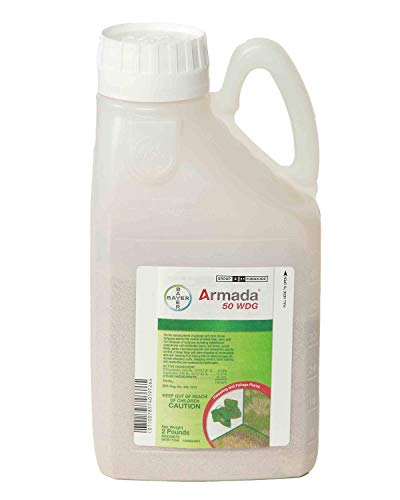
Not for sale & Ship to: AK , ND , NY , PR

Control diseases and insects in your garden with Captain Jack’s Fruit Tree Spray Concentrate! Use on a variety of listed fruits, nuts and citrus plants.

PROVEN BROAD-SPECTRUM FUNGUS PREVENTION: Gunner 14.3 MEC contains 14.3% propiconazole; the same active ingredient as Banner Maxx, the fungicide golf, landscape, and nursery pros trust for proven protection against more than 20 plant fungi.
Biological Agents Used in Managing Fungal Pathogens
Biological agents offer a natural way to reduce fungal infections in olive trees without relying solely on chemicals. These agents work through biological control, where beneficial organisms suppress harmful fungal pathogens by outcompeting them or producing inhibitory substances. For example, *Trichoderma* species are applied as soil drenches or foliar sprays at concentrations around 10^7 spores per milliliter. Applications occur during early spring and late fall when temperatures range from 18 to 25°C, promoting maximum agent activity and colonization. This approach lowers fungal resistance compared to repeated chemical fungicide use. Biological control supports orchard health by maintaining microbial balance and reducing pathogen load. Regular monitoring guarantees timely applications, typically every 4–6 weeks during high-risk periods. Integrating biological agents with cultural methods provides an effective defense against major fungal diseases in olive trees. Additionally, using durable materials for tree support like steel or bamboo stakes can enhance overall tree health by preventing mechanical damage that may increase vulnerability to pathogens.
Recommended Products

* LONG-LASTING BENEFITS: Once applied, it will last for the life of the plant, providing enduring benefits.
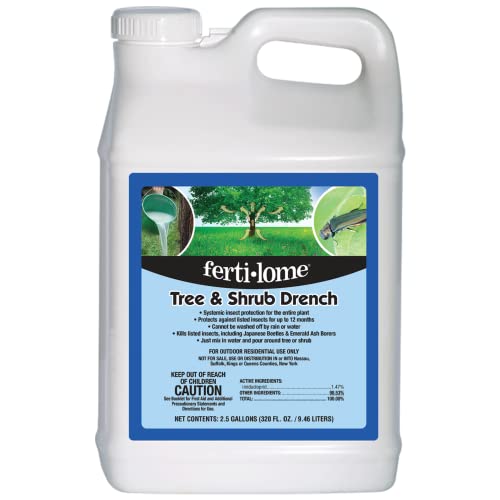
Controls a number of insects including Aphid, Psyllids and more. See label for full list of insects.

Pest Type: Aphids and Other Insects
Economic Consequences of Fungal Diseases in Olive Orchards
Managing fungal diseases in olive orchards directly affects the financial health of growers. Disease management involves early detection, pruning, and applying fungicides like copper hydroxide at 0.3–0.5 kg per hectare during fall. Untreated, fungal infections such as anthracnose and leaf spot lower yields by up to 40%, cutting oil production and fruit quality severely. This economic impact extends to tree replacement costs when diseases like Verticillium wilt kill mature trees, making growers spend thousands on new saplings and at least two years without income from those trees. Water management and soil drainage improvements reduce root rot risks, preserving orchard longevity. Timely intervention and integrated disease management strategies help prevent costly losses and maintain profitability, making consistent monitoring a wise investment for growers. Additionally, using organic sprays can enhance disease resistance while supporting sustainable olive tree care.
Recommended Products
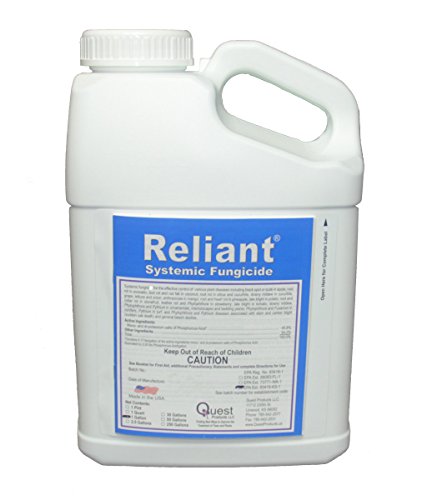
Same formulation & strength as Agri-Fos and Garden-Phos (LG3307)
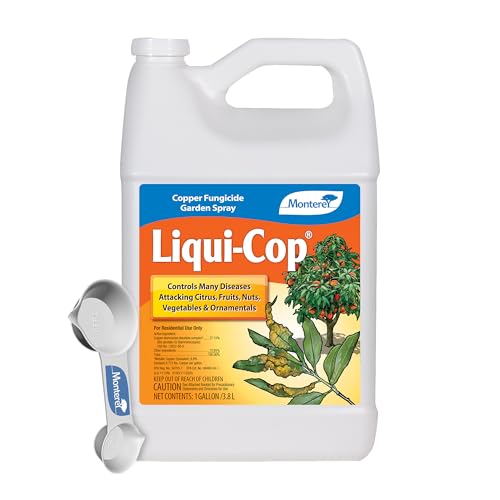
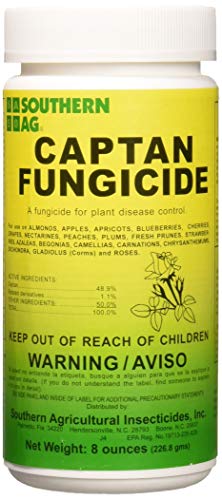
DISEASE CONTROL - Liqui-Cop is designed to prevent a wide variety of plant diseases including anthracnose, brown rot, blight, downy mildew, botrytis blight, leaf spot and many more.
Frequently Asked Questions
How Do Fungal Diseases Affect Olive Oil Flavor and Quality?
Fungal diseases degrade olive fruit quality, negatively impacting oil extraction efficiency and altering the flavor profile by introducing off-flavors or bitterness. Infected olives produce lower-quality oil, reducing sensory appeal and market value.
Can Fungal Infections in Olive Trees Be Transmitted Through Grafting?
Long before smartphones, grafting techniques posed risks: fungal transmission can indeed occur through grafting if infected plant material is used. Proper sanitation and selecting disease-free scions are essential to prevent spreading pathogens during grafting processes.
What Is the Role of Soil Microbiome in Olive Tree Disease Resistance?
The soil microbiome enhances olive tree disease resistance by promoting soil health and microbial diversity, which suppress harmful pathogens, improve nutrient uptake, and stimulate the tree’s immune responses, ultimately reducing the impact of fungal infections and enhancing overall tree vigor.
Are There Specific Olive Tree Varieties More Resistant to Fungal Diseases?
Like knights armored against unseen foes, certain olive varieties exhibit heightened disease resistance. Varietal selection remains pivotal, guiding cultivation toward strains more resilient against fungal threats, thereby safeguarding yield consistency and fortifying orchard longevity through strategic genetic defense.
How Does Climate Change Influence the Prevalence of Olive Fungal Diseases?
Climate variability alters temperature and moisture patterns, enhancing conditions favorable to fungal pathogens in olive trees. Increased humidity and shifting rainfall promote disease spread, intensifying infection rates, severity, and expanding fungal disease prevalence under climate change scenarios.


