As an Amazon Associate, we earn from qualifying purchases. Some links on this site are affiliate links at no extra cost to you. Our recommendations are based on thorough research and editorial judgment.


Why Olive Trees Suddenly Drop All Their Leaves

Olive trees suddenly drop leaves mainly due to watering issues, environmental stress, or pests. Overwatering every 7-10 days can cause root rot, while underwatering with soil moisture below 15% stresses roots. Temperature swings below 32°F or sudden warmth also shock leaves. Nutrient deficiencies, especially nitrogen and potassium, weaken trees. Pests like aphids or scale insects cause leaf loss too. Proper watering, pest control, and protection from temperature extremes help prevent this. More practical tips follow to keep your olive tree healthy.
Key Takeaways
- Sudden leaf drop in olive trees often results from rapid environmental changes like light shifts, temperature swings, or strong winds.
- Overwatering causes root rot by depriving roots of oxygen, leading to leaf yellowing and sudden leaf drop.
- Nutrient deficiencies, especially nitrogen, phosphorus, or potassium shortages, can cause yellowing leaves and premature leaf shedding.
- Pests such as olive fruit flies, scale insects, and aphids weaken trees and trigger sudden leaf loss.
- Exposure to extreme temperatures, including frost or high heat above 85°F (29°C), stresses olive trees, resulting in rapid leaf drop.
Overwatering and Its Impact on Olive Trees
Although olive trees prefer a steady water supply, overwatering can quickly become harmful. When soil becomes waterlogged, it deprives roots of oxygen and leads to root rot. This condition often triggers leaf drop as the tree struggles to survive. Olive trees thrive best in well-draining soil, watered only when the top 2-3 inches of soil feel dry. Excessive moisture causes yellowing leaves and a mushy root system. Overwatering disrupts oxygen absorption, leading to stunted growth and poor health. To avoid leaf drop, maintain a watering schedule mimicking the Mediterranean climate—typically every 7-10 days during warm months and less frequently in winter. Monitoring soil moisture carefully helps prevent overwatering and keeps olive trees healthy and vibrant. Additionally, applying organic fertilizers can promote resilient root systems that better withstand stress from moisture fluctuations.
Recommended Products
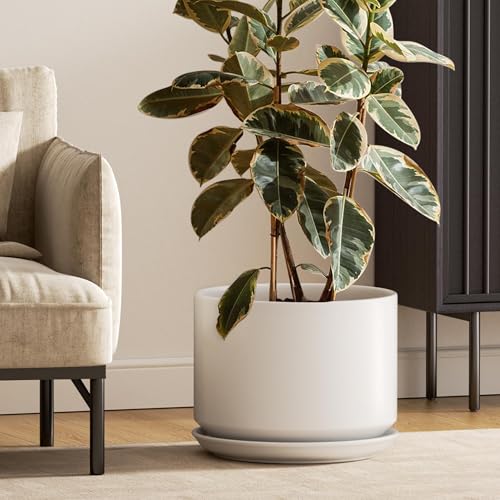
Magic of 12 Inch Pots for Plants: With a 12-inch diameter and 9.4-inch height, this spacious 12 inch plant pot is tailor-made for your indoor oasis. Its universal size accommodates larger green wonders or a delightful mix of smaller plants. Elevate your botanical haven with our elegant 12 inch planter

Includes: 12 Bottles of Dirty Sue Premium Olive Juice 12.9oz

Specifically Formulated for Olive Trees: This potting mix is designed to replicate Mediterranean conditions, balancing moisture retention and drainage for strong roots and healthy growth, indoors and outdoors.
Signs and Effects of Underwatering

Many olive trees display yellowing leaves as an early sign of underwatering. Soil moisture below 15% often triggers this stress response. When water is scarce, olive trees reduce leaf surface area, causing leaves to fall prematurely to conserve moisture. Consistently low soil moisture weakens roots, making the tree prone to disease and poor health. Underwatered trees also show less vigorous growth with fewer new leaves. Ideally, watering should mimic Mediterranean conditions—thorough watering every 10 to 14 days in warm temperatures of 75-85°F, allowing soil to dry slightly between sessions. Checking soil moisture with a probe 4-6 inches deep helps maintain proper hydration. Avoid letting soil moisture drop too low to prevent leaves fall and reduce overall healthiness in olive trees. Using a moisture meter can help monitor soil hydration levels more effectively to avoid underwatering.
Recommended Products

PREVENT MOISTURE PROBLEMS: A non-destructive & pinless meter for detecting & measuring moisture content in most building materials; with a large analog display & optional high moisture audio warning tone
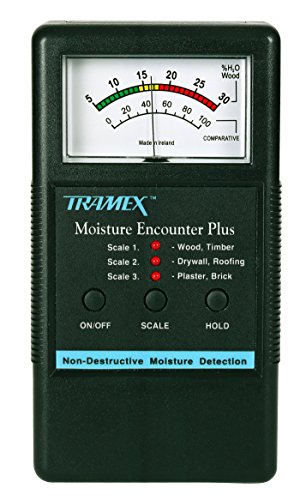
Wide range of readings for wood from 5% to 30%

✔️ UNPARALLELED ACCURACY: Say goodbye to uncertainty. Achieve pinpoint accuracy and know the precise moisture level of your wood.
How Environmental Changes Affect Leaf Health

Environmental changes play a significant role in the health of olive tree leaves. Sudden shifts from bright sunlight to shade can cause immediate olive tree leaf drop, as the tree adapts to reduced light intensity. Temperature swings between 60°F indoors and near freezing outside also create environmental stressors that prompt the tree to shed leaves. Strong winds exceeding 15 mph often damage delicate leaves, increasing moisture loss and triggering further leaf drop. In winter, natural dormancy begins, and leaf loss helps conserve energy. Additionally, placing olive trees near heat sources like radiators raises leaf temperatures above 80°F, causing excessive moisture evaporation. This combination of environmental stressors challenges leaf health and leads to sudden leaf drop. Monitoring these variables closely helps prevent unnecessary leaf loss and supports a thriving olive tree. Proper watering schedules play a crucial role in maintaining leaf health during these environmental changes.
Role of Nutrient Deficiencies in Leaf Drop

Nutrient imbalances often cause olive trees to lose leaves unexpectedly. Deficiencies in nitrogen, phosphorus, or potassium disrupt the tree’s health directly. Nitrogen deficiency causes yellowing, curling leaves and stunts growth, signaling the need for fertilization at about 50 pounds per acre in early spring. Phosphorus shortages weaken root systems, limiting nutrient uptake and energy storage, which promotes leaf drop during warmer months above 75°F. Potassium regulates water use and strengthens the tree against stress; without enough (typically 100-200 ppm in soil), leaves may shed prematurely. Regular soil testing every 12–18 months identifies these nutrient deficiencies effectively. Once detected, applying specific fertilizers improves the tree’s health and reduces leaf loss risks. Monitoring nutrient levels helps keep olive trees robust and green throughout the growing season. Additionally, maintaining soil pH between 6.0 and 8.0 enhances nutrient uptake, which is crucial to preventing leaf drop caused by deficiencies.
Common Pests That Cause Leaf Loss

Although pests may seem minor at first, they can cause serious leaf loss in olive trees if left unchecked. Common pests such as the olive fruit fly (Bactrocera oleae) damage both leaves and fruit. This leads to leaf drop and diminished tree health over time. Scale insects attach to stems and leaves, sucking sap and weakening the tree, causing leaves to fall off. Aphids target new growth, making leaves curl, yellow, and drop prematurely. Additionally, the olive leaf spot fungus, a Pest and Disease agent, produces dark leaf spots causing early leaf shedding if untreated. To manage these issues, inspect trees weekly during warm months, between 20-30°C, and apply appropriate organic insecticides or fungicides promptly to prevent infestations from worsening and maintain tree health. Using organic pesticides approved for use up to harvest can effectively protect your olive trees while keeping them safe for consumption.
Recommended Products

DEFENDS YOUR PLANTS - Monterey 70% Neem Oil controls black spot, powdery mildew, rust, needle rust, downy mildew, twig & twip blight, anthracnose, scab and flower, botrytis, alternaria, and other fungal diseases.

LISTED INSECT KILLER: 12 Month Tree & Shrub Insect Control kills Japanese Beetles (adult), Emerald Ash Borers, Adelgids, Leafminers, Aphids, and other listed insects that damage trees and shrubs

CONTROLS MANY INSECTS IN MANY SETTINGS - This insect treatment spray controls caterpillars, leafminers, codling moths, tent caterpillars, gypsy moths, trips, borers, fire ants, and more. This pest control can be used on outdoor ornamentals, lawns, vegetables, and with citrus and fruit trees.
Disease-Related Causes of Leaf Shedding
When olive trees show signs of leaf discoloration or spotting, it often points to disease-related causes of leaf shedding. Fungal infections, such as olive leaf spot, cause dark spots that enlarge and lead to leaves dropping prematurely. Prolonged dampness above 60% humidity makes fungal growth more likely. Bacterial infections, like those caused by Xylella fastidiosa, block nutrient flow, causing rapid leaf loss. Early detection helps; check leaves weekly for browning edges or wilting. If symptoms appear, remove affected leaves within 24 hours to prevent spread. Applying fungicides at recommended doses, usually 2-3 times during spring in 10-14 day intervals, can suppress fungal infections. Maintaining good air circulation and avoiding overhead irrigation also reduce disease risks. Prompt action preserves tree health and limits leaf shedding. Additionally, using effective fungicide sprays as part of an integrated disease management program can significantly improve control of fungal pathogens.
Recommended Products
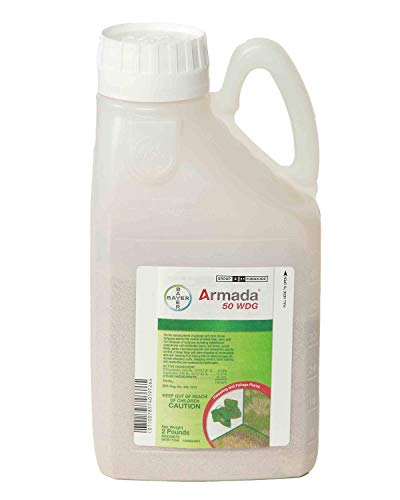
Not for sale & Ship to: AK , ND , NY , PR

FUNGUS CONTROL WITH LASTING FIGHTING POWER: Gravex 20 EW Fungicide contains 19.7% myclobutanil; the same active ingredient as Eagle 20EW specialty fungicide, a trustworthy partner for broad-spectrum fungus takedown.
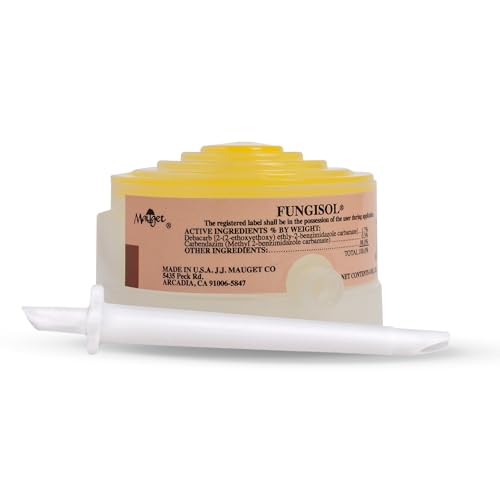
Proprietary fungicide to treat a wide spectrum of fungal diseases.
Understanding Transplant Shock in Olive Trees
Leaf shedding in olive trees doesn’t always come from disease. Transplant shock is a common cause when a tree is moved to a new spot. This stress disrupts water and nutrient flow, causing the tree leaves to fall suddenly. Root disturbance during digging and soil changes can worsen the problem. For example, if the tree is replanted in soils over 85°F or too dry, leaf drop increases. I recommend watering olive trees with about 2 gallons every two days for three weeks after transplanting to reduce shock. Keeping conditions steady and avoiding sudden changes helps too. Patience is key because the tree usually needs 4 to 6 weeks to recover fully and regrow leaves, provided that proper care is maintained during this period. Using artificial olive trees can be a low-maintenance alternative for creating greenery in spaces where transplanting live trees might be stressful or impractical, as they require no watering or sunlight and only minimal upkeep such as dusting maintenance.
Importance of Proper Lighting for Olive Tree Health
Proper lighting is critical for olive trees, which need at least six hours of bright, indirect sunlight each day to stay healthy and prevent leaves from dropping. Adequate sunlight supports photosynthesis, fueling the tree’s growth and nutrient uptake. Inadequate lighting conditions often slow growth and increase leaf drop as the tree becomes stressed. To maintain healthy foliage, position the tree near a window that delivers consistent morning or late afternoon light, avoiding intense midday sun that can scorch leaves. Adjust the tree’s placement seasonally because natural light changes; moving it closer to the light source during winter months helps preserve vigor. Ensuring these lighting conditions minimizes the risk of leaf drop and supports the metabolic processes essential to olive tree health, promoting steady, robust growth over time. Additionally, placing your tree in a south-facing window significantly enhances its light exposure, which is ideal for sustaining its health indoors.
Temperature Extremes and Their Effects on Leaves
How does temperature influence olive tree leaf retention? Olive trees are sensitive to temperature extremes that trigger stress and leaf drop. Prolonged exposure below 32°F (0°C) damages foliage, causing significant leaf loss. Sudden warmth after a frost shocks the olive tree’s system, leading to premature leaf shedding. On the other hand, high temperatures above 85°F (29°C), combined with low humidity, cause heat stress, compelling the tree to drop leaves to conserve water. Protecting olive trees during cold snaps is essential. Using horticultural fleece when temperatures approach freezing prevents leaf damage. By understanding how olive tree’s leaves respond to temperature extremes, one can better manage care routines and minimize sudden leaf drop. This approach safeguards foliage and maintains tree health through seasonal changes. Additionally, choosing cold-hardy varieties such as the Flowing Well Arbequina can help mitigate leaf loss in cooler climates.
Best Watering Practices to Prevent Leaf Drop
Although olive trees are known for their drought tolerance, they still need consistent moisture to thrive and avoid dropping leaves. Watering every week in hot months and every three weeks during winter helps maintain proper soil hydration. The soil should feel like a wrung-out sponge before watering again. Deep watering is critical; saturate the soil until water drains from the pot’s holes. This guarantees roots receive enough moisture. Avoid overwatering by allowing the soil to dry slightly between watering sessions. Overly wet soil causes root rot, leading to leaf drop. Always check soil moisture with your finger an inch below the surface. This prevents guesswork and keeps watering on schedule. Well-drained soil combined with correct watering practice supports olive tree health and prevents sudden leaf loss. Using a premium olive tree potting mix ensures balanced moisture levels and excellent drainage for optimal root oxygenation.
Repotting Tips to Encourage Healthy Growth
Selecting a pot three times larger than the current one gives an olive tree room to grow roots without feeling cramped. When repotting, choose a container with adequate drainage holes to prevent water buildup. Use well-draining soil, ideally organic and from a reputable nursery, to balance moisture and nutrients effectively. It’s best to repot an olive tree after its first year, when the plant is more resilient to transplant stress. Carefully remove the tree and loosen tangled roots before planting it in fresh soil. After repotting, place the tree in a warm location around 65-75°F and avoid direct sun for two weeks. Monitor the tree closely during this period, adjusting watering if leaves appear wilted or dry, as these are signs of acclimation issues. These repotting tips support healthy growth and reduce leaf drop risk.
Recommended Products
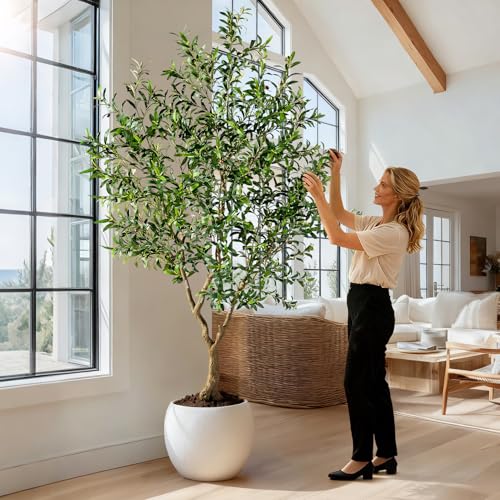
Unmatched Realism with Artistic Craftsmanship This oversized artificial olive tree stands out with its exquisite artistry. Each thickened, dense 3D biomimetic leaf is assembled by hand. The unique embossing technique recreates the natural gradient from vein to leaf edge, while synthetic olives finished with gradient color spraying achieve the rounded, glossy appearance of real fruit. The trunk is hand-painted by experienced artisans, creating unique, natural-looking bark textures throughout.

【Large Exquisite Planter Included】Realead artificial olive tree come with an 15inch large planter, which has been meticulously designed and sized to seamlessly complement our faux olive tree.It is not only very sturdy, offering a ideal balance of aesthetics and functionality. You don't need spend extra time and money on it

【Exquisite and Quality Planter】This artificial olive tree come with 10 inch tall planter, which has been meticulously designed and sized to seamlessly complement our faux olive tree,striking the ideal balance between aesthetics and functionality. You don't need spend extra time and money on it
Protective Measures Against Environmental Stressors
A well-planned environment is essential for maintaining an olive tree’s health and preventing leaf drop due to stress. To reduce environmental stressors, place the tree where it receives six hours of consistent indirect sunlight daily, avoiding spots prone to sudden temperature swings. During sub-zero nights, cover the tree with horticultural fleece to protect its leaves from frost damage that causes leaf drop. Installing windbreaks can shield the tree’s leaves and branches from strong winds that cause physical harm. Applying a moisture-retaining mulch around the base helps regulate soil temperature and moisture, easing stress during heat or drought. Regularly monitor temperature and humidity so care practices can adjust promptly. These steps work together to protect the tree’s leaves and maintain overall health against environmental challenges.
Frequently Asked Questions
Why Is My Olive Tree Losing All Its Leaves?
The olive tree losing all its leaves likely results from common leaf drop causes such as drought stress, overwatering, nutrient deficiencies, environmental shock, or transplant stress. Proper olive tree care, including balanced watering and fertilization, prevents this issue.
How to Revive an Olive Tree With No Leaves?
Leaf regrowth techniques thrive through thorough olive tree care: timely watering, nutrient nourishment, and pest prevention. Providing proper positioning, periodic pruning, and patient protection promotes persistent plant revival, prompting promising proliferation after pervasive leaf loss.
Will the Leaves Grow Back on My Olive Tree?
Leaf regeneration on an olive tree depends largely on tree health. If the tree receives proper care, including water, sunlight, and nutrients, it can recover and produce new leaves, demonstrating resilience through appropriate maintenance.
What Does an Overwatered Olive Tree Look Like?
Studies show overwatering causes root rot in 70% of affected olive trees. Overwatering signs include yellowing, dark, wilted leaves and premature leaf drop, indicating compromised olive tree health due to nutrient uptake issues and soft, mushy roots.


