As an Amazon Associate, we earn from qualifying purchases. Some links on this site are affiliate links at no extra cost to you. Our recommendations are based on thorough research and editorial judgment.


How to Recognize Overwatering in Olive Trees

Overwatering olive trees shows up as yellowing or brittle leaves that fall early. Check the soil about 6 to 8 inches deep; if it feels soggy and doesn’t crumble, that’s a warning. Roots should be firm and white, but mushy, dark roots signal trouble. Standing water near the base often means poor drainage. Stop watering for two to three weeks if you see these signs, and I’ll share how to fix and prevent this next.
Key Takeaways
- Yellow or pale green leaves indicate excess moisture and possible overwatering in olive trees.
- Constantly wet soil that feels soggy and doesn’t crumble signals overwatering.
- Brittle leaves falling off prematurely is a common symptom of excess water stress.
- Mushy, dark roots and root rot reveal damage from standing water.
- New growth that withers or curls suggests insufficient oxygen caused by overwatering.
Common Signs of Overwatering in Olive Trees
You may be interested

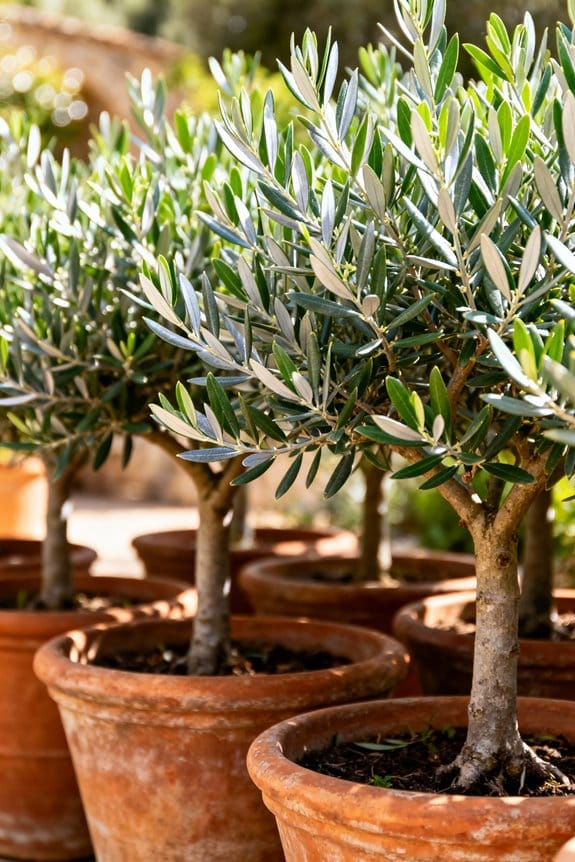

Overwatered olive trees frequently show noticeable signs that hint at too much moisture in the soil. Leaves turning yellow or pale green are common signs of overwatering. These leaves often become brittle and fall off prematurely. The soil around the tree will feel constantly wet, indicating excess moisture that the tree cannot drain efficiently. New growth may wither or curl, which signals poor health in the tree. Root rot can develop due to standing water, leading to mushy roots unable to support the olive tree properly. It’s important in tree care to monitor soil moisture levels carefully, ensuring the ground dries to about 2 inches deep before watering again. Recognizing these signs of overwatering early helps maintain the tree’s health and encourages proper development. Using a moisture meter can help effectively monitor soil hydration and prevent overwatering.
Recommended Products

Accurate Soil Moisture Detection: The XLUX Soil Moisture Meter can tell you if the soil deep inside your pot or garden is dry, moist or wet; whereas your eyes and fingers can only determine the moisture level of the soil surface. The probe is 5.5 inches (14 cm) longer than regular styles, allowing it to measure the soil moisture at the bottom of larger and deeper flower pots.

【4 in 1 function】This is a 4-in-1 multifunctional soil tester.Our soil tester fastly to measure soil moisture, pH, temperature and sunlight to help you take better care of flowers and plants.You can know when you need to water your soil by measuring moisture and pH & Temperature value of the soil and sunlight level of plants with it.
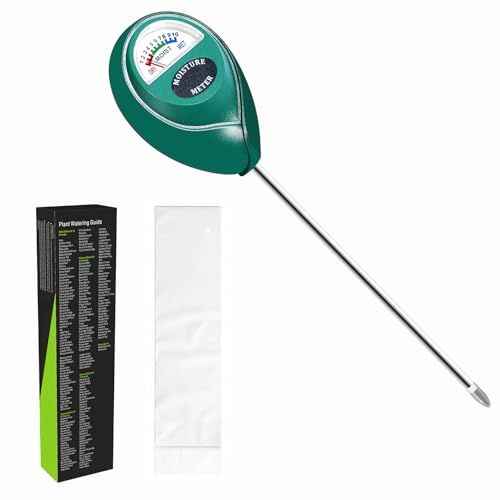
Trusted Since 2015: Become one of the many plant lovers who rely on the proven accuracy of XLUX. Established in 2015, our soil moisture meter has earned over 60,000+ verified ratings for its consistent performance. While many many newer brands come and go, we provide the long-term reliability and quality that American households have trusted for over a decade.
Effects of Excess Water on Olive Tree Health

Excess water in olive tree soil can seriously reduce oxygen levels, which roots need to stay healthy. An overwatered olive tree often shows leaves turning yellow and suffering from root rot caused by poor drainage. Olive trees thrive in well-draining soil where moisture drains within 24 hours, keeping soil cool—ideally between 60-75°F (15-24°C). Excess moisture reduces oxygen, stresses roots, and leads to nutrient deficiencies like nitrogen shortage and iron chlorosis, which stunt olive tree growth. To protect tree health, monitor moisture levels by checking soil 2 inches below the surface before watering again. If soil feels cool and damp longer than two days, it indicates overwatering. Avoid waterlogging by improving drainage or adjusting irrigation frequency. This approach helps maintain strong roots and healthy leaves, preventing decline caused by excess water. Additionally, olive trees prefer well-draining soil with a pH of 6 to 8, which is crucial to preventing overwatering issues.
Recommended Products

【SAVE YOUR PLANTS】: Over watering can cause problems with your plants or even kill them. This soil moisture meter helps you know the soil is dry, moist or wet.No more over watering!
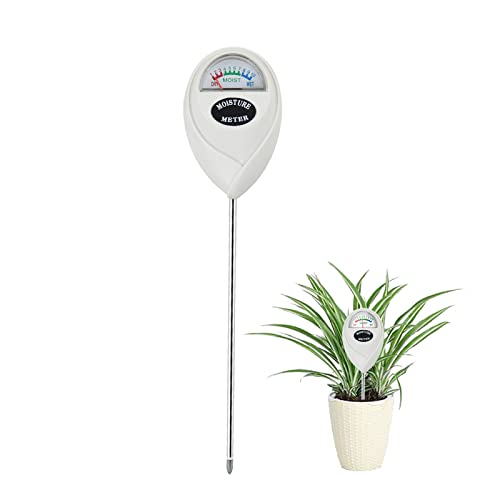
【SAVE YOUR PLANTS】: Over watering can cause problems with your plants or even kill them. This soil moisture meter helps you know the soil is dry, moist or wet.No more over watering!

Compact & Portable: Have you been sticking your finger in the soil hoping to feel when it's time to water? Why not eliminate the guesswork and keep your hands clean when you use the Dr.meter Plant Moisture Meter! Know the right time to water your garden, farm, lawn and potted plants, anytime
Diagnosing Overwatering Through Soil and Root Inspection

Checking the soil and roots can reveal signs of too much water around an olive tree. Begin by digging 6 to 8 inches deep into the soil; if it feels soggy and doesn’t crumble easily, overwatering is likely. Use a moisture meter for more precise readings; healthy olive trees need soil moisture in a moderate to low range. Next, inspect the roots: healthy roots are firm and white. Overwatered roots turn mushy, dark, and may smell foul, signaling oxygen deprivation from waterlogged conditions. Also examine the tree base for standing water—as olive trees require well-draining soil to survive. Yellowing leaves and leaf drop further confirm root distress caused by excess water. Together, these signs diagnose overwatering effectively through soil and root condition assessment. Utilizing a soil moisture meter with a long probe can help accurately measure moisture levels at root depth to prevent overwatering.
Recommended Products

MUST-HAVE FOR LARGE HOUSEPLANTS: The 11.96 inch long probe sensor is specifically designed to measure water at the root level. The Long Probe deep-use soil moisture meter makes checking moisture levels in the plant soil easy, effective and quick.

Accurate Soil Moisture Detection: The XLUX Soil Moisture Meter can tell you if the soil deep inside your pot or garden is dry, moist or wet; whereas your eyes and fingers can only determine the moisture level of the soil surface. The probe is 5.5 inches (14 cm) longer than regular styles, allowing it to measure the soil moisture at the bottom of larger and deeper flower pots.

【SAVE YOUR PLANTS】: Over watering can cause problems with your plants or even kill them. This soil moisture meter helps you know the soil is dry, moist or wet.No more over watering!
Steps to Rescue an Overwatered Olive Tree

Begin the recovery process by halting all watering for at least two to three weeks. This pause helps dry the soil and prevents root rot caused by overwatering. Next, check the drainage holes of your olive tree’s pot to verify they are clear; good drainage is critical to avoid standing water. If the pot is small or soil remains soggy, repotting into a larger container with well-draining soil is recommended. When repotting, use a mix designed for cacti or succulents that promotes aeration. To monitor soil moisture accurately, insert a moisture meter at root level before resuming watering. Watch closely for signs of stress like wilting or yellowing leaves, and consult a professional if the olive tree’s health does not improve after these steps. Additionally, maintaining soil moisture at 20-30% with good aeration is essential to encourage recovery and prevent further root damage.
Recommended Products

Kindly NOTE: This soil tester can not be applied to test pH value of any other liquid. If the soil is too dry the indicator will not move, and water it before testing.

Soil Moisture Meter: This single probe soil moisture meter is specially designed for testing the moisture level in the soil, helps you decide whether the plants need water or not, helps to keep plants alive.

WATER LEAK DETECTOR detects relative moisture content from leaks and flooding
Best Watering Practices to Prevent Overwatering

While olive trees are hardy, they need careful watering to stay healthy. First, choose well-draining soil to prevent waterlogging, which harms roots. Check rainfall before watering to avoid excess moisture during rainy spells. Use moisture meters to measure soil moisture accurately; water only when soil is dry about 6 inches down. Deep watering encourages the roots to grow strong—apply roughly 10 gallons per mature olive tree slowly. Let the soil dry completely between waterings, typically 10 to 14 days in warm weather. Monitor the tree’s base regularly to verify it stays dry, since wetness signals overwatering. By following these methods, gardeners can provide the precise amount of water olive trees need and promote healthy roots, preventing overwatering and its damaging effects efficiently. Additionally, incorporating organic fertilizers alongside proper watering can further enhance olive tree health and fruit production.
Recommended Products

Easy to Operate for Home Composting, Gardening, Schools & Community Programs Rugged Stainless Steel Construction Long 15" Stem with Thick 5/16" Diameter User Calibratable,...
Frequently Asked Questions
How Do You Know if You Overwatered Your Olive Tree?
Signs of overwatering olive trees include compromised root health with fungal growth, leaf discoloration, persistently high soil moisture, drainage issues, nutrient deficiency, increased pest attraction, affected pruning techniques, inappropriate container choice, and sensitivity to seasonal changes indicating excessive watering.
Which Two Symptoms Are Signs of Overwatering?
Symptom identification reveals leaf curl and browning leaves as signs of overwatering. Poor soil drainage and moisture retention promote root rot, leading to nutrient deficiency, fungal disease, tree wilting, and overall compromised plant health in olive trees.
How Often Should an Olive Tree Be Watered?
Olive tree watering typically coincides with soil moisture levels, adjusting watering frequency based on climate impact, seasonal changes, and growth stages. Best practices emphasize drought conditions and container growing, employing precise irrigation methods to optimize tree health and conserve water.
What Does an Overwatered Tree Look Like?
An overwatered tree exhibits foliage discoloration, leaf drop, and growth stunting due to nutrient deficiency. Soil moisture remains high, causing root rot and trunk swelling. Temperature effects and pest invasion further compromise tree health.


