As an Amazon Associate, we earn from qualifying purchases. Some links on this site are affiliate links at no extra cost to you. Our recommendations are based on thorough research and editorial judgment.


Understanding Nutrient Deficiencies in Olive Trees

Nutrient deficiencies in olive trees show specific signs like smaller leaves with reddish edges for phosphorus lack, or yellowing and necrosis at older leaf tips signaling potassium shortage. Nitrogen deficits cause pale green older leaves. Deficiencies often appear during dry spells, so regular soil and leaf testing every two years is essential. Applying balanced fertilizers from April to September and improving soil structure helps. Understanding these symptoms enables better tree health management and nutrient control. More detailed strategies follow next.
Key Takeaways
- Phosphorus deficiency causes smaller leaves with reddish edges, often linked to poor soil drainage rather than lack of phosphorus itself.
- Potassium deficiency shows as yellowing and necrosis at older leaf tips, reducing photosynthesis and affecting fruit yield and quality.
- Nitrogen deficiency results in pale yellowish-green older leaves, impacting growth and fruit production, best corrected post-harvest through precise fertigation.
- Regular soil and leaf nutrient testing help detect permanent deficiencies and imbalances, ensuring timely, effective nutrient management.
- Incorporating organic fertilizers, soil amendments, and proper irrigation improves nutrient uptake and overall olive tree health.
Common Symptoms of Nutrient Deficiencies in Olive Trees
Nutrient deficiencies in olive trees often show clear, visible symptoms on the leaves. For instance, phosphorus deficiency causes smaller leaves with reddish edges, which may look like nitrogen deficiency but lacks severe yellowing. Potassium deficiency usually hits older leaves first, showing yellowing at leaf tips that can turn necrotic and cause early leaf drop if untreated. Nitrogen deficiency appears as pale, yellowish-green leaves mainly on older foliage, typically noticeable about 50 days after symptoms start. Boron deficiency affects young olive trees more seriously; chlorotic leaf tips on young leaves signal early trouble, and severe shortages may cause rapid decline within 2 to 3 years. These nutritional deficiencies frequently become evident during dry years, impacting leaf size, color, and overall tree health. Using organic fertilizers can help improve soil health and reduce the risk of these deficiencies.
Causes and Types of Nutrient Deficiencies

Although soil can have sufficient nutrients, olive trees may still suffer deficiencies when water supply is low. Drought inhibits nutrient absorption, causing temporary nutrient deficiencies despite adequate soil content. Permanent deficiencies, however, result from a true lack of macro and microelements in the soil. Doing a thorough soil analysis every two years helps identify these permanent issues. Leaf nutrient testing complements this by revealing deficiency symptoms early. Nutrient imbalances also cause uptake problems; incorrect ratios of elements lead to antagonism, blocking absorption. To address deficiencies, organic fertilizers combined with earthworm humus improve nutrient availability. Applying wood distillate in irrigation water further reveals locked nutrients like phosphorus and potassium. Managing water supply and monitoring soil pH are critical steps to prevent temporary deficiencies and maintain healthy olive trees year-round. Selecting fertilizers with balanced NPK ratios tailored to specific climate conditions can further optimize nutrient uptake and tree health.
Identifying Phosphorus Deficiency in Olive Trees

How can one spot phosphorus deficiency in olive trees before it causes serious damage? Look for reduced leaf size and reddish edges on older leaves. These signs are subtle and might be mistaken for nitrogen deficiency, but phosphorus deficiency usually causes less yellowing. True phosphorus deficiency in olive trees is rare and often linked to poor soil drainage rather than low nutrient levels. Testing soil drainage is vital if you notice these symptoms. Young trees need minimal phosphorus, so improving drainage often works better than adding phosphorus fertilizer. Remember, about 2 to 4 pounds of phosphorus leave the soil for every ton of olives harvested, so monitoring nutrient levels is essential. This careful approach helps maintain healthy olive trees and avoids unnecessary treatments. Additionally, using fertilizers with the right balance of macronutrients and micronutrients can help prevent potential deficiencies and promote healthy tree growth.
Recognizing Potassium Deficiency Signs

What signs immediately suggest potassium deficiency in olive trees? Look for necrosis at older leaf tips, which may cause early leaf drop in severe cases. Leaves will lose green intensity, becoming lighter and less vigorous, which signals reduced photosynthetic activity. Symptoms of deficiency often appear about 3-4 weeks after potassium shortage begins. Regular soil analyses and leaf K tests help detect low potassium levels; values below 0.4% in leaf tissue usually indicate deficiency. Unlike leaf N changes, potassium deficiency specifically impacts older leaves first. This nutrient shortfall can decrease fruit yield and quality if untreated. Monitoring potassium levels alongside other nutrients guarantees effective management. Addressing deficiency promptly protects the tree’s health and productivity over time, making simple tests a crucial routine for every olive grower. Additionally, adjusting fertilization strategies based on nutrient monitoring is key to restoring and maintaining plant vitality.
Nitrogen Nutrition and Its Role in Olive Tree Health

Nitrogen is an essential nutrient that directly influences the growth and fruiting of olive trees. Maintaining leaf nitrogen levels between 1.5 and 2.0% supports healthy growth and consistent fruit production. Deficiencies show as pale, yellowish-green leaves, mainly on older foliage, because nitrogen N moves within the tree to new growth. Applying nitrogen after harvest helps replenish nutrient stores, especially for trees with low leaf nitrogen or heavy fruit loads. Fertigation, or adding nitrogen through irrigation, allows precise nutrient supply during the growing season, reducing leaching risks. However, nitrogen should not be applied late in the season as it may cause winter flushing, increasing frost damage chances. Careful timing and monitoring leaf nitrogen guarantee olive trees stay vigorous and productive year-round. Additionally, spacing olive trees 15 feet apart helps create a balanced habitat that supports overall tree health and biodiversity.
Boron Deficiency and Toxicity in Olive Cultivation
Following proper nitrogen management, growers should carefully consider boron levels, as this micronutrient plays a significant role in olive tree development. Boron deficiency shows as chlorotic tips on young leaves, and severe cases can kill trees within 2-3 years. Leaf analysis helps determine deficiency, with low boron considered less than 14 mg/kg dry weight in mature leaves, but newer research raises this to 33 mg/kg for young leaves. Yield enhancement may be achieved by foliar boron applications before flowering, although results vary by variety. However, toxicity symptoms include marginal chlorosis and reduced shoot growth, though olives tolerate boron better than many crops. Regular soil monitoring combined with leaf analysis is essential to balance boron correctly and maintain tree health and fruit quality. Additionally, integrated pest management practices, including the use of safe organic pesticides, can help protect tree health during nutrient adjustments.
Soil Testing Methods for Nutrient Management
Although leaf analysis remains the primary tool for monitoring nutrient status in olive trees, collecting soil samples each spring is equally important for nutrient management. Samples should be taken from the top 18 inches of soil around healthy trees to guarantee accuracy. Soil testing helps identify pH, salinity, and nutrient availability, which guides fertilization decisions and prevents nutrient deficiencies. For boron status, hot water extracts detect deficiency, while saturated soil paste tests reveal toxicity; both are critical for managing this element properly. Despite these insights, no critical soil test values exist for olive trees, making leaf analysis from July essential to confirm nutrient conditions. Combining soil testing with leaf analysis guarantees a thorough approach to nutrient management in olive orchards. Maintaining soil pH between 6.0 and 8.0 is vital for nutrient uptake and protecting roots from damage.
Recommended Products

Test Summary: This comprehensive test kit includes 9 heavy metals listed in the EPA 6010/6020 method for soil analysis of metals. The analysis is performed at a certified laboratory following the strict ISO 17025 standards, ensuring accurate and precise analysis results and an easy-to-understand report. This test is intended for 1 single soil sample.

Results by mail or email within one week

KNOW BEFORE YOU GROW | Grow the healthiest, sustainable lawn and garden with the most accurate and easy to use professional soil test kit on the market
Leaf Sampling and Analysis for Nutrient Diagnosis
When collecting leaf samples for nutrient analysis, timing and technique are key. Samples should be taken in July from mature leaves on current-season shoots. Avoid selecting leaves from unhealthy trees to guarantee accurate nutrient concentrations. Collect at least 80 to 100 leaves from various parts of healthy trees to get a well-rounded sample. Refrigerate the leaf samples if there will be any delay before submitting them to the laboratory, as this helps maintain sample quality. Leaf analysis offers direct insight into nutrient status, often more reliable than soil tests in established olive orchards. Comparing nutrient concentrations from healthy versus unhealthy trees helps pinpoint deficiencies clearly. This process guides targeted nutrient management without guesswork, enhancing overall tree health and productivity. Additionally, proper environmental considerations such as humidity and temperature can influence nutrient uptake and should be monitored during sampling.
Recommended Products
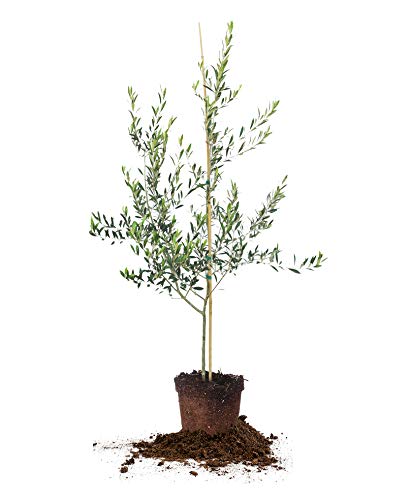
💚 Includes special blend plant food & Planting Guide
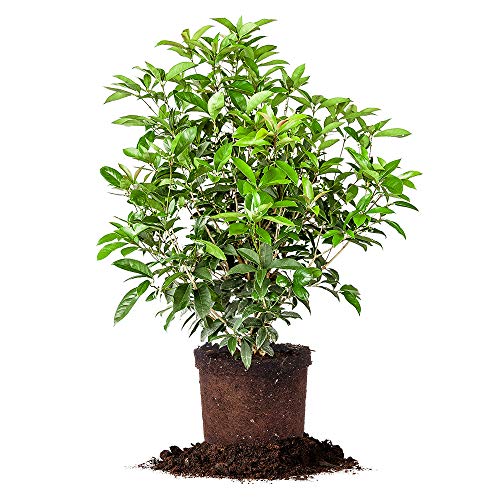
🍋Live 7 gallon Tea Olive comes with easy to use plant food and bloom every Spring through summer months with southern sweet-tea fragrant flowers — the electrifying, natural aroma fills the entire landscape!

🌿 live 2-3ft Olive tree comes with easy to use plant food and produces edible olives within the first year of planting!
Effective Fertilization Strategies for Olive Trees
Successful olive tree fertilization hinges on precise timing and nutrient balance. Effective fertilization strategies begin with regular soil testing to check nutrient levels and pH. This guides nutrient additions to correct deficiencies. Potassium (K) and boron (B) are especially important for olive growth, so specialized fertilizers containing these nutrients should be used from April to September. During this growing season, applying organic fertilizers like compost or liquid citrus food every two weeks supports soil health and nutrient availability. Fertilizer applications should align with rainfall patterns to improve uptake, and deep-root watering helps nutrient penetration in drip irrigation systems. Avoid fertilization in winter when trees are dormant, as this wastes resources and risks overfertilization. These targeted steps enhance growth by addressing specific nutrient deficiencies effectively and sustainably. Additionally, using a well-balanced potting mix with proper drainage and nutrient retention can further improve fertilizer efficiency and root health.
Recommended Products

COMPLETE PALM NUTRITION: Formulated with sulfur & potash, magnesium, nitrogen, and essential nutrients commonly sought for palms and ferns, Lutz palm tree fertilizer spikes deliver a balanced formula with every application.

Potassium Fertilizer

Bloom & Yield Booster: Formulated with monopotassium phosphate 0-52-34, this fertilizer delivers 52% phosphorus and 34% potassium to maximize flowering and fruiting. It ensures stronger stems, vibrant blossoms, and higher-quality harvests for healthier, more productive plants.
Timing and Application Techniques for Fertilizers
Proper timing and application of fertilizers directly affects olive tree health and productivity. Fertilization is best from April to September, during active growth, while winter dormancy requires no feeding. Newly potted trees need no fertilization for several months to let roots establish. Nitrogen should be applied early to match growth phases, preventing leaching and avoiding late fertilization that might induce frost-sensitive growth. Potassium helps winter hardiness and is best applied in autumn. Organic fertilizers can be added biweekly with watering to reduce overfertilization risk. Mineral fertilizers demand caution and should only be used after confirming specific nutrient deficiencies through testing. This careful timing and application technique guarantees essential minerals are available when the tree needs them most, supporting overall vigor and fruit yield. Incorporating artificial olive branches in decor can provide a low-maintenance aesthetic that mimics the natural look of olive trees without compromising plant care.
Recommended Products

32 Ounces Bottle

ULTIMATE ANTIOXIDANT PROTECTION: Carbon 60 helps lift the oxidative burden at the cellular level, which is the main cause of aging and cellular damage. C60 scavenges free radicals and optimizes mitochondrial function, which allows the body to heal naturally and may slow the aging process. C60 Purple Power promotes a balanced immune response, skin vitality, and hair growth

✔ AN AMAZING SOURCE 2026 edt.: Originating from selected groves of Olympia and Athinoelia varieties, at the highlands of Arcadia, in Peloponnese, Greece. Two of the best olive varieties, originating from Ancient Greece. Olive groves of middle to high altitude, with olive trees cultivated in well-balanced ecosystems by using organic fertilizers, active microorganisms, green manure and crop rotation.
Soil Amendments and Practices to Improve Nutrient Uptake
Many olive growers find that incorporating soil amendments boosts nutrient uptake effectively. Organic fertilizers mixed with earthworm humus improve soil health and nutrient availability. Biochar also enhances soil structure, increases water retention, and supports beneficial microbes. Before applying amendments, soil testing is crucial to measure pH and nutrient levels. For example, lime can raise pH if the soil is too acidic, while gypsum improves compaction in clay soils. Soil aeration further aids nutrient uptake by loosening dense soil, allowing roots better access. Timing fertilizer applications just before rainfall guarantees irrigation water dissolves nutrients, making them easily absorbable. Follow these steps: test soil every six months, apply 2-3 tons per acre of organic matter yearly, aerate compacted soil in early spring, and time fertilization with local rainfall forecasts to optimize uptake.
Recommended Products

NATURAL, ORGANIC INGREDIENTS: Made of 100% organic ingredients, this organic potting soil is free from synthetic fertilizers and chemicals. This planting soil gives your plants everything they need. Perfect for soil for indoor plants and outdoor potting soil.
![Organic Plant Magic - Truly Organic™ Long-Lasting Spreadable Plant Food: All-Purpose Fertilizer Granules for All Flower Vegetable Herb Fruit Tree Shrub Container Garden & House Plants [One 20 lb Bag]](https://m.media-amazon.com/images/I/41j8HNEs+mL._SL500_.jpg)
New Spreadable Fertilizer Granules - Amazing Benefits that Plants & Customers LOVE!

PREMIUM INGREDIENTS: This specifically crafted organic compost blend has a low pH premium formulation that is naturally lightweight and contains just the right ingredients ensuring healthy growth and beautiful results.
Frequently Asked Questions
What Are the Symptoms of Nutrient Deficiency in Olive Trees?
Symptoms of nutrient deficiency in olive trees include leaf discoloration causes like yellowing and necrosis, stunted growth signs, fruit drop reasons linked to potassium lack, branch dieback indicators from boron deficiency, necessitating soil nutrient testing for diagnosis.
What Are the 7 Common Nutrient Deficiencies?
Seven common nutrient deficiencies—nitrogen, potassium, phosphorus, boron, calcium, magnesium, and iron—paint leaves with discoloration. Leaf discoloration causes often stem from flawed nutrient absorption techniques, urging soil health assessment, ideal fertilizer types, and counteracting the impact of drought.
What Are the Deficiencies of Olive Leaves?
Olive leaf deficiencies include discoloration causes such as nitrogen, phosphorus, potassium, and boron shortages. Nutrient uptake methods depend on root health impact and seasonal nutrient needs. Leaf droop analysis helps identify these deficiencies early for effective management.
What Month to Fertilize Olive Trees?
Fertilization timing dances from April to September, aligning with seasonal needs. Best fertilizers nourish roots through soil testing-guided application methods. Autumn’s potassium whispers winter resilience, while dormant months rest—ensuring olive trees flourish in harmonious cycles.


