As an Amazon Associate, we earn from qualifying purchases. Some links on this site are affiliate links at no extra cost to you. Our recommendations are based on thorough research and editorial judgment.


The Role of Pollinators in Olive Tree Fruit Development

Pollinators like bees improve olive fruit development by moving pollen between flowers, especially in self-incompatible varieties needing cross-pollination. Olive trees produce around 500,000 flowers per season, but only 1-2% set fruit without effective pollination. Wind carries lightweight pollen, but insect visits boost fruit yield and quality by enhancing genetic diversity. Limited nectar below 0.5 microliters lowers pollinator visits, so managing nearby compatible trees and careful care improves results. More insights reveal practical steps to boost your harvest.
Key Takeaways
- Pollinators, especially insects, are crucial for transferring pollen between compatible olive flowers, enhancing fruit set in self-incompatible olive varieties.
- Cross-pollination facilitated by pollinators increases genetic diversity and improves fruit quality and yield in olive trees.
- Olive trees produce limited nectar, reducing pollinator attraction and visitation rates, which can impact effective pollination and fruit development.
- Wind is the primary pollination agent, but pollinator activity significantly boosts pollination efficiency and increases the percentage of flowers developing into olives.
- Sustainable practices like planting pollinator-friendly species and reducing pesticide use support pollinator health, benefiting olive fruit development and ecosystem biodiversity.
Overview of Olive Tree Pollination Mechanisms
Although olive trees are often thought to mainly self-pollinate, many commercial varieties actually depend on cross-pollination for better fruit production. Olive trees produce about 500,000 flowers between March and April, but only 1-2% become olives. Self-pollination occurs when pollen from an anther lands on the stigma of the same flower. However, some varieties like Frantoio, Koroneiki, and Manzanillo are self-pollinating and set fruit independently. Wind is essential in pollination because olive pollen is very lightweight and can travel long distances, carrying it between trees. Introducing compatible cultivars nearby can improve fruit set percentages. This cross-pollination enhances yield and quality, making it a favored strategy in commercial olive orchards where maximizing production is the goal. Arbequina olive trees, which are self-pollinating and capable of producing fruit independently, are often favored for their low maintenance and adaptability.
Structure and Function of Olive Inflorescences

Pollination sets the stage for fruit development, but understanding the structure of olive inflorescences explains how flowers organize to support this process. Olive inflorescences emerge at the leaf axil and hold 10 to 30 flowers each. These clusters are essential fruiting shoots in the tree’s growth cycle. Only 1–2% of flowers mature into olives because environmental factors and management influence outcomes. Olive inflorescences contain perfect flowers, which can become fruit, and staminate flowers, which primarily produce pollen. Proper care, including pruning and managing water and nitrogen, benefits inflorescence health and consequently fruit yield. By maintaining these conditions, growers can help more flowers progress through development stages and improve overall olive production efficiently. Maintaining well-drained soil and providing adequate sunlight are also crucial for supporting healthy inflorescence development.
Types of Flowers in Olive Trees and Their Roles

Every mature olive tree produces around half a million flowers, but they fall into two main types with distinct roles. Perfect flowers contain both male and female parts. They are essential because fruit forms only after pollination occurs within these flowers. Staminate flowers, on the other hand, have only male parts and produce pollen but cannot develop into olives. Typically, just 1-2% of all flowers mature into fruit after successful pollination. The perfect flowers bloom from mid-May to early June, but their small size makes them less attractive to common pollinators. Bees help move pollen from staminate to perfect flowers, improving pollination success. This transfer increases the chance that fertilization happens, supporting olive development and higher yield. For optimal fruit production, olive trees require 6 to 8 hours of direct sunlight daily to support healthy flower and fruit development.
Wind as the Primary Pollination Agent in Olive Cultivation

The roles of perfect and staminate flowers set the stage for understanding how olive trees reproduce. Olive trees rely mainly on wind as their primary pollination agent. Between March and April, a single tree can produce about 500,000 flowers. Each flower releases lightweight pollen grains easily carried by the wind over long distances. This mechanism guarantees effective cross-pollination without the need for insect involvement. Despite this, around 98% of flowers fall off without fruit development, highlighting how vital wind-borne pollen grains are for successful fertilization. This wind-driven pollination allows olive trees to reproduce reliably, even without bees or other pollinators present. The process adapts the trees well to various environments by depending on the wind, which is consistent and widespread during the flowering period. For optimal growth, olive trees require full sun exposure to supplement their natural pollination process and fruit development.
Nectar Production and Its Effect on Pollinator Attraction

Although olive trees produce flowers in large numbers, their nectar output is very limited, often less than 0.5 microliters per flower during peak bloom. This low nectar production means olive flowers offer minimal reward for pollinators. Bees and other insects typically seek flowers with abundant nectar to fuel their activity. Because olive flowers produce scarce nectar, they attract few pollinators, and many beekeepers avoid placing hives near olive groves. This scarcity leads to reduced pollinator visitation rates, which can influence fruit development and local biodiversity. In practice, olive trees depend mostly on wind pollination since insect visits are infrequent due to the minimal nectar incentives. Understanding nectar production helps explain why pollinator activity around olive flowers remains low despite the tree’s prolific flowering. Additionally, factors like the tree’s pollination requirements play a critical role in successful fruit development.
The Role of Bees in Olive Tree Pollination: Myths and Realities
Pollination in olive trees mostly depends on wind, but bees do play a useful role. Olive Tree Pollination occurs primarily through airborne pollen moving between flowers. However, bees can increase efficiency by transferring pollen as they visit flowers, even though olive blossoms produce little nectar and are small, which limits bee attraction. Olive flowers contain both male and female parts, enabling self-pollination, but bee activity supports better fruit set by encouraging cross-pollination. Additionally, bees help maintain orchard health by controlling pests and promoting biodiversity around the trees. While bees are not the main pollinators of olives, their presence improves overall pollination success and enhances tree vigor. Understanding these realities helps clarify common myths about bees’ impact on Olive Tree Pollination and fruit development. Moreover, using insecticide sprays with a bee-safe formulation ensures that pest control measures do not harm these beneficial pollinators.
Recommended Products

𝐅𝐚𝐬𝐭 𝐀𝐜𝐭𝐢𝐧𝐠 𝐈𝐧𝐝𝐨𝐨𝐫 𝐨𝐫 𝐎𝐮𝐭𝐝𝐨𝐨𝐫: Water soluble granules provide powerful non-pyrethroid, non-repellent pest control inside, outside and off-structure enabling you to target the insect at the source; Quick and effective elimination of a broad range of insects

AgroMagen, GrowSafe Bio-Pesticide, Organic and Natural Miticide, Fungicide and Insecticide (5.2 Gal)
Only effective on spider mites (two-spotted mites, broad mites, russet mites), whiteflies, aphids, powdery mildew, and downy mildew

BEST NATURAL SOLUTION TO DEFEAT MILDEW, MITES AND MOLD - Crop Control is hands down the BEST choice to prevent and cure Powdery Mildew, Spider Mites, Russet Mites, Broad Mites, Botrytis, Grey Mold, Aphids, fungal and parasitic species on plants. Uses plants natural defense systems to defend with zero harsh chemicals or toxins.
Cross-Pollination Versus Self-Pollination in Olive Varieties
Understanding how different olive varieties reproduce helps farmers manage their orchards more effectively. Some cultivars, like Koroneiki and Frantoio, are self-pollinating. They produce fruit without pollen from other trees. This makes them reliable in areas with few pollinators. However, only about 1-2% of flowers mature into fruit, so effective pollination remains important. Cross-pollination occurs when pollen comes from a different variety, such as Coratina or Picholine. This method boosts fruit yield and quality by increasing genetic diversity. Successful cross-pollination relies on planting compatible varieties near each other and ensuring pollinators can transfer pollen between trees. Farmers should space trees within 10 to 25 meters for ideal pollen flow during flowering, typically at 15-20°C. This strategic approach improves fruit set and overall orchard productivity. The Koroneiki olive tree is mostly self-pollinating but pairing with Arbequina can enhance yields and overall fruit production.
Recommended Products

100% PICUAL OLIVES – SINGLE-ESTATE QUALITY - Crafted exclusively from Picual olives grown, harvested, and bottled on Nobleza del Sur’s private family estate for unmatched purity, traceability, and flavor.
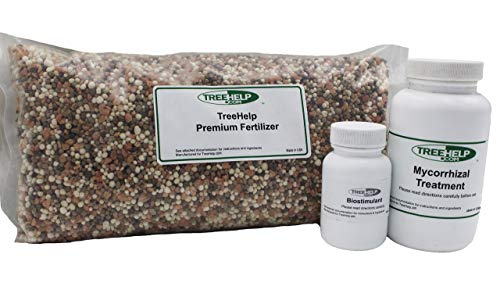
Not Available for Sell in WA, USA
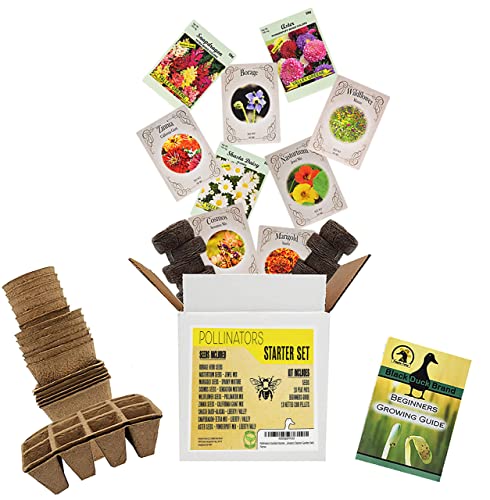
Set Includes: 9 Seed Packets, 18 Peat Pots, 10 Netted Coir Pellets, and a Beginners Guide
Environmental and Stress Factors Influencing Olive Fruit Set
Environmental and stress factors play an essential role in the fruit set of olive trees. Inadequate nitrogen levels, whether too low or too high, disrupt flower and fruit development, reducing yields. Water scarcity shifts the tree’s energy toward leaf growth, lowering fruit production. Strong winds above 25 km/h and temperatures fluctuating more than 15°C during flowering harm both flower viability and fruit set. Pollinators greatly influence fruit development; removing pollinator sources can drop the fruit set below 1%, especially in self-incompatible varieties. Olive flowers naturally have only a 1-2% chance to develop into fruit, so maintaining stable environmental conditions is vital. Ensuring moderate nitrogen, consistent watering, and protection from extreme weather supports pollinator activity and enhances fruit development reliably within the olive orchard. Additionally, providing organic fertilizers can improve soil health and tree vitality, supporting better flower and fruit set under environmental stresses.
Recommended Products
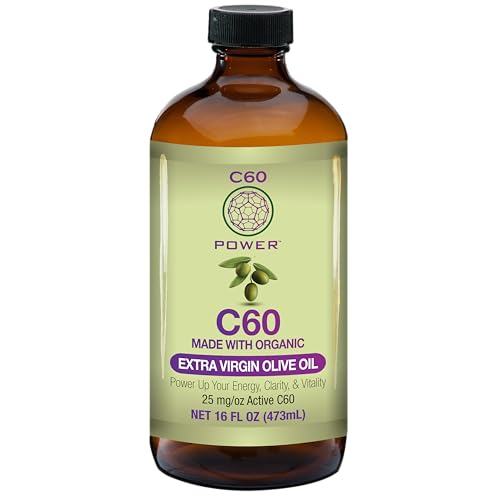
THE ULTIMATE ANTIOXIDANT - Carbon 60 helps lift oxidative burden at the cellular level, which is the main cause of aging and cellular damage. C60 supports overall wellness and healthy aging over time

OUR CARBON 60 OLIVE OIL IS HELD TO THE HIGHEST STANDARDS It's tested for purity and quality. Like our C60 powder, we use lab tested high Polyphenol Extra Virgin Olive Only. Using the best ingredients means using only extra virgin olive oil

Importance of Pollinators in Sustainable Olive Farming
Fruit set depends heavily on insects visiting olive blossoms, especially in varieties that cannot pollinate themselves. Pollinators, particularly bees, enable cross-pollination between compatible trees, boosting genetic diversity and fruit development. Sustainable olive farming supports pollinator health by reducing pesticide use and creating habitats with flowering plants that bloom sequentially from early spring through late summer. This gradual bloom guarantees continuous food for bees. Commercial olive groves often plant pollinator-attractive species near olive trees to sustain these beneficial insects. When these practices are followed, studies show up to 30% more fruit sets in some olive varieties. Additionally, maintaining healthy pollinator populations benefits the entire ecosystem, enhancing biodiversity around the trees. Therefore, growers aiming for sustainability should focus on nurturing pollinators as essential partners in olive production. Proper care, including irrigation practices, also helps maintain strong trees that are more attractive and resilient to pollinators.
Impact of Pollination on Olive Fruit Yield and Quality
Many factors influence how well olive trees produce fruit, but pollination plays a significant role. Only 1-2% of flowers mature into olives, so effective pollination is essential. Self-pollinating varieties set fruit without help, yet self-incompatible types need cross-pollination to develop quality fruiting shoots. Bees and other pollinators increase pollination efficiency, raising fruit yield by boosting the number of flowers that mature. Proper nitrogen levels, regular pruning, and adequate water also support flowering and fruit development. Cross-pollination enhances genetic variability, improving fruit quality and market value. Monitoring these elements during spring, when temperatures are around 20-25°C and flowers open, optimizes pollination success. Working with pollinators guarantees more fruiting shoots grow into healthy olives, offering better production and higher-quality harvests for growers. Choosing the right pot size and drainage also ensures optimal root health, which supports robust flowering and fruit development.
Recommended Products

Grow Your Own Olive Tree from Seed – Includes premium olive seeds, nutrient-rich potting soil, and a recyclable growing cup for easy indoor planting. Perfect Gift for...
Frequently Asked Questions
Do Olive Trees Need to Be Pollinated to Produce Fruit?
Olive trees do not always need pollination to produce fruit; self-pollinating olive varieties can set fruit independently. However, other olive varieties require cross-pollination to enhance fruit set and achieve higher yield levels effectively.
What Is the Role of Pollination in Fruit Development?
Pollination methods directly influence fruit maturation by facilitating fertilization, enabling seed formation, and promoting fruit development. Successful pollination guarantees genetic diversity, affects fruit quantity, and helps achieve ideal fruit maturation in olive trees.
Do Bees Help Olive Trees?
Bees’ impact on olive yield is positive but limited; they enhance fruit set in some varieties by facilitating cross-pollination. Additionally, bees improve tree health by managing pollen and pests, indirectly supporting olive production quality and quantity.
Why Does My Olive Tree Flower but Not Fruit?
Flowering conditions, such as extreme temperatures or water stress, often prevent fruit set despite flowering. Additionally, certain olive tree varieties have low fruiting potential or require compatible pollinators, contributing to flowering without fruit development.


