As an Amazon Associate, we earn from qualifying purchases. Some links on this site are affiliate links at no extra cost to you. Our recommendations are based on thorough research and editorial judgment.


Fruitless Olive Tree Varieties for Low Maintenance Landscaping

Fruitless olive trees like Wilsonii, Swan Hill, and Little Ollie grow 25 to 30 feet tall, producing few to no olives, making them ideal for low-maintenance landscaping. Plant them in full sun with well-draining soil, spacing 15 to 20 feet apart. Water young trees three times weekly and mature ones deeply every two to four weeks. Prune every 6–8 weeks to maintain shape and remove dead branches. These hardy trees thrive in USDA Zones 8-11 with minimal pest issues. More details help optimize their care and placement.
Key Takeaways
- Wilsonii, Swan Hill, and Little Ollie are top fruitless olive varieties known for minimal fruit production and drought tolerance.
- These trees thrive in USDA Zones 8-11 with full sun and well-draining soil, requiring minimal irrigation once established.
- Fruitless olives reduce mess and pest issues, making them ideal for low-maintenance landscapes in urban and suburban areas.
- Prune every 6-8 weeks to maintain size, and water deeply every 2-4 weeks to promote drought resilience.
- Their evergreen Mediterranean look offers aesthetic appeal and practical shade with very low care demands.
Understanding Fruitless Olive Trees
Although called fruitless, fruitless olive trees may produce a small number of olives, typically around a hundred per season depending on the variety. These evergreen trees usually grow between 25 and 30 feet tall under full sun conditions with well-draining soil. Varieties such as Wilsonii, Swan Hill, and Majestic Beauty are popular for their almost no-fruit tendency, reducing the chances of messy fallen olives. They are especially valued for drought tolerance, thriving with minimal irrigation once established, which makes them ideal for dry climates. Maintenance is relatively low; occasional pruning helps keep their shape and health without much fuss. Overall, fruitless olive trees provide a practical choice where evergreen greenery and drought resilience are priorities, combining Mediterranean charm with easy care. Their drought-tolerant varieties promote water-efficient landscaping and reduce maintenance needs.
Benefits of Fruitless Olive Trees in Landscaping

When choosing trees for landscaping, fruitless olive varieties offer distinct advantages that are easy to appreciate. These trees, reaching 25-30 feet, can be pruned to fit different yard sizes and styles. Their drought-tolerant nature means they thrive in full sun and need less watering, which suits low maintenance landscaping perfectly. Non-fruiting varieties, like Wilsonii and Swan Hill, avoid messy fallen fruit and reduce pest issues, keeping the garden cleaner. They also adapt well to various soil types, lowering the need for frequent care. Homeowners benefit from their Mediterranean look without the usual upkeep hassles. Choosing fruitless olive trees is a practical decision when aiming for a neat, resilient landscape that conserves water and minimizes maintenance efforts over the years. Regular pruning during dormancy can further promote healthy growth and reduce maintenance needs.
Top Fruitless Olive Tree Varieties

Because fruitless olive trees offer both beauty and ease, choosing the right variety is essential for a successful landscape. Wilsonii olive trees are a strong choice, known for their multi-trunk form and drought tolerance in USDA Zones 8-11. Swan Hill stands out with its soft foliage and graceful growth, making it ideal for low-maintenance yards. Little Ollie is compact, rarely exceeding 6 feet, fitting perfectly in small spaces or containers. These fruitless olives thrive with minimal watering once established and avoid the mess of dropping fruit. Their consistent foliage keeps gardens neat and pest issues low. Selecting between Wilsonii, Swan Hill, and Little Ollie depends on space and climate, but all support easy-care landscaping effectively. Additionally, these trees’ low-maintenance characteristics make them excellent alternatives to artificial options when natural greenery is preferred.
Recommended Products
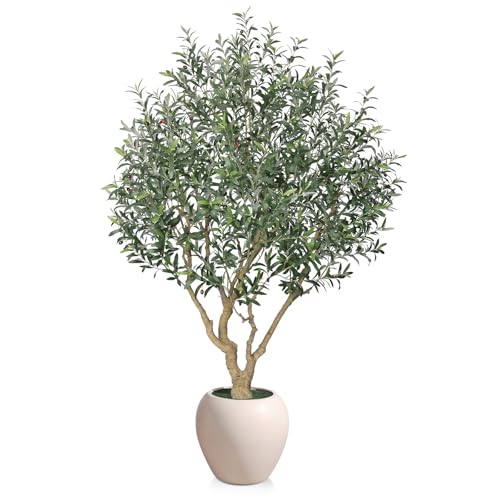
Elevate Your Space with Timeless Elegance. Standing 8 feet tall, this artificial olive tree is the perfect tall artificial plant to command attention in home decor. With 3690 silk leaves and a 63-inch spread, it mimics nature’s grace in a way that suits both modern farmhouse and boho interiors

【Premium Material】The trunk of this 8FT artificial olive tree is made of natural wood,paired with lifelike leaves and fruits,it will be an ideal decoration for your home and office,creating a tropical atmosphere for your living environment. Its shape is vivid and evergreen all the year round.You can plant it in your office,bedroom,and living room.It can also be given as a gift.

Olive Tree with Spotlight: Our lighted olive tree is equipped with spotlights that emit warm white light, featuring a foot switch for easy operation and powered by plug-in design. As night falls, when the spotlights are turned on and shine on the olive tree, the intertwined light and dark shadows of the branches and leaves are cast on the wall or the ground, with the natural charm of the light up olive tree wrapped in hazy light and shadow, creating a peaceful atmosphere.
Planting Guidelines for Fruitless Olive Trees

A good planting spot is essential for fruitless olive trees to thrive. Choose a location that receives full sun for at least six hours daily, which supports optimal growth. Prepare well-draining soil by digging a hole twice as wide as the root ball but equal in depth to avoid water pooling. Amend the soil with compost to boost nutrient content and improve drainage. Place the tree carefully into the hole and backfill with amended soil, ensuring the roots spread naturally. Initial watering immediately after planting reduces transplant shock, but remember, these planting guidelines minimize long-term maintenance requirements. Proper site selection and soil preparation are key to establishing healthy fruitless olive trees that need less upkeep over time, making them perfect for low maintenance landscaping. Artificial options can emulate the visual impact of real trees without the need for watering or pruning, providing an alternative for those seeking maintenance-free greenery.
Recommended Products
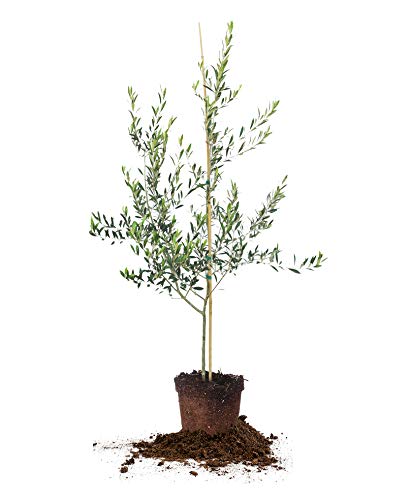
💚 Includes special blend plant food & Planting Guide

Gourmet Home Gardening: Cultivate a taste of the Mediterranean in your own backyard with the Arbequina Olive Tree. This exquisite variety is renowned for its high-quality olives, suitable for homemade olive oil and culinary creations. Elevate your cooking experience with the authentic flavors of freshly harvested olives, right from your garden

PREMIUM INGREDIENTS: This specifically crafted organic compost blend has a low pH premium formulation that is naturally lightweight and contains just the right ingredients ensuring healthy growth and beautiful results.
Watering and Irrigation Needs

After planting, watering habits need careful adjustment to support fruitless olive trees at different growth stages. Young trees require consistent watering three times a week to maintain moisture levels until they establish strong roots. Mature trees prefer deep irrigation every two to four weeks, encouraging drought-tolerant growth. It is crucial to plant in well-draining soil to prevent root rot by avoiding water retention. Drip irrigation works well for providing slow, direct moisture to the root zone without overwatering. Regularly monitoring moisture levels, especially during hot weather above 85°F, guarantees the tree remains healthy without wasting water. Over time, the tree’s natural drought tolerance reduces irrigation needs. Additionally, olive trees prefer well-draining soil with a pH of 6 to 8 to thrive optimally. Careful watering based on these guidelines supports low maintenance landscaping with fruitless olive trees, balancing hydration and dryness effectively.
Recommended Products

Standard 3/4" Garden Hose Thread Connections

Quick & Easy Filling: No adjustments required and kid friendly operation for hassle-free watering

Standard 3/4" Garden Hose Thread Connections
Pruning and Shaping Techniques
When caring for fruitless olive trees, pruning plays a key role in shaping and long-term health. This evergreen variety requires regular pruning, preferably in late winter to early spring before new growth starts. Avoid removing more than one-third of the canopy at once to prevent stress. Start by cutting suckers growing from the base, as this directs energy to the main tree. Next, thin crowded branches to improve air circulation and light penetration, which supports overall maintenance. For shaping, trim selectively to keep a balanced form and maintain the tree’s natural growth. Consistent shaping helps the tree look neat and reduces future heavy pruning. Overall, proper pruning and shaping support this low-maintenance variety by promoting its health and elegant structure throughout the seasons. Timing pruning during dormancy when temperatures are between 40-60°F helps minimize sap loss and stress on the tree, enhancing recovery after cuts and encouraging vigorous growth pruning timing.
Recommended Products

【UP TO 45mm CUTTING DIAMETER】- SWANSOFT-8612 electric tree trimmer blades can easily cut through branches up to 45mm thick without causing damage. The blades of this battery pruning shears are forged from Swiss SK5 high-carbon steel, which is sharp and resistant to wear and tear. Flat and fast pruning like cutting butter easily

【Designed for Orchard, Vineyard & Large Backyard Trees】Built for real pruning work across orchards and residential landscapes, Kebtek KT 9035 battery operated pruners easily cut apple, peach, olive trees, and grapevines up to 35mm (1.38 inch). Also suitable for common American yard trees such as oak, maple (sugar & red maple), pecan, eucalyptus, and palm trees, making it a versatile solution for both fruit farms and home gardens.

TaskStar 2-in-1 Electric Pruner: Effortlessly switch between handheld and pole mode, offering flexible pruning for a variety of tasks; Trim low shrubs with precision or extend the pole to easily reach high branches—one tool, limitless possibilities
Fertilizing and Soil Management
Fertilizer schedules play a crucial role in the healthy growth of fruitless olive trees. Young trees benefit from high-nitrogen fertilizers applied each spring to boost vigor. Established trees require fertilizing less often, usually once annually. Maintaining proper soil conditions is important; adding organic matter improves texture and guarantees good drainage, preventing root rot. Check soil pH regularly, aiming for slightly alkaline soils with values between 7.0 and 8.0, since fruitless olives thrive in this range. Avoid heavy, water-retaining soils. Amend with compost or coarse sand if needed to enhance drainage. Consistent monitoring and adjusting soil components help create an environment that supports healthy root development and overall tree health. Proper fertilizing and soil management reduce maintenance efforts while promoting robust growth for these trees. Additionally, using a soil moisture meter can help prevent overwatering and ensure optimal soil moisture levels.
Recommended Products

32 Ounces Bottle
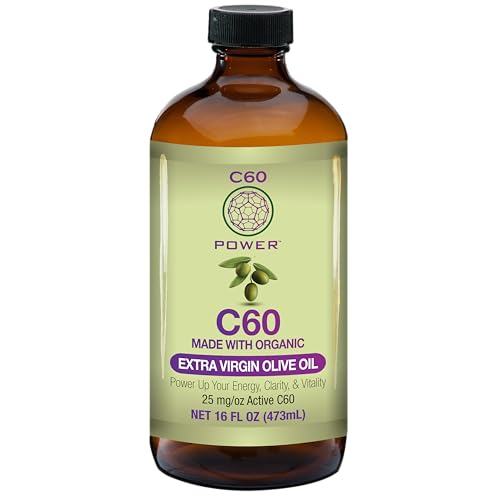
ULTIMATE ANTIOXIDANT PROTECTION: Carbon 60 helps lift the oxidative burden at the cellular level, which is the main cause of aging and cellular damage. C60 scavenges free radicals and optimizes mitochondrial function, which allows the body to heal naturally and may slow the aging process. C60 Purple Power promotes a balanced immune response, skin vitality, and hair growth

✔ AN AMAZING SOURCE 2026 edt.: Originating from selected groves of Olympia and Athinoelia varieties, at the highlands of Arcadia, in Peloponnese, Greece. Two of the best olive varieties, originating from Ancient Greece. Olive groves of middle to high altitude, with olive trees cultivated in well-balanced ecosystems by using organic fertilizers, active microorganisms, green manure and crop rotation.
Pest and Disease Prevention
Alongside soil care and proper fertilizing, keeping pests and diseases under control protects fruitless olive trees from harm. Fruitless varieties like Wilsonii resist aphids well, reducing the need for heavy pest management. Regularly inspect leaves and branches, especially after rain or humidity above 70%, to catch fungal diseases early. Water trees at the base, avoiding overhead watering to keep foliage dry. Apply 2-3 inches of organic matter annually to enhance soil health and boost tree defenses. Prune dead or damaged branches every 6-8 weeks during the growing season to improve air circulation, which lowers fungal infection risk. Using pots with excellent drainage helps prevent root rot and supports overall tree health. Follow these steps to sustain tree health and minimize chemical interventions while ensuring your landscaping remains low maintenance and visually appealing.
Designing Outdoor Spaces With Fruitless Olives
Because fruitless olive trees like Wilsonii and Swan Hill thrive in full sun and well-draining soil, they suit a variety of outdoor spaces. These evergreen trees reach 25 to 30 feet but can be pruned neatly to maintain desired size. Use them as landscape trees along walkways or open lawns, spacing each tree 15 to 20 feet apart for healthy growth. Their gray-green leaves create a calm Mediterranean look. For privacy screens, plant fruitless olives in rows about 10 feet apart, trimming often to form dense barriers. Maintenance is low; they need watering once weekly during dry spells and minimal pruning annually. Resistant to pests and diseases, they require no chemical treatments. These trees provide shade and reduce leaf litter, making outdoor spaces cleaner and easier to care for year-round. They also perform best with 6-8 hours of direct sunlight daily to ensure strong growth and health.
Climate Adaptability and Regional Suitability
How well do fruitless olive trees handle different climates? These trees excel in USDA Zones 8-11, thriving in warm regions with hot, dry summers and mild winters. Their climate adaptability makes them a reliable choice for areas like Southern California, where varieties such as “Swan Hill” and “Majestic Beauty” withstand temperatures often exceeding 90°F during summer months. Being drought-tolerant, fruitless olive trees require minimal watering—typically once every two weeks during dry spells—and perform well in diverse soils, from coastal sands to arid desert grounds. The absence of fruit cuts down mess and maintenance, perfect for urban landscapes with limited upkeep. By planting these trees in full sun locations and allowing for 15-20 feet spacing, homeowners guarantee peak growth and long-term resilience in challenging climates. Additionally, these trees thrive in well-draining soil, ensuring healthy development even in container settings.
Frequently Asked Questions
What Is the Best Small Fruitless Olive Tree?
The best small olive is the “Little Ollie,” prized for drought resistance and compact size. It excels in container gardening and landscape design, requiring minimal pruning. Its gray-green foliage enhances visual appeal with low maintenance efforts.
Are Fruitless Olive Trees Messy?
Fruitless olive trees are largely non-messy, requiring minimal olive tree maintenance. Their limited fruit reduces seasonal cleanup, making them ideal landscaping options. Fruitless olive tree care offers significant olive tree benefits by minimizing debris and pest issues.
What Is the Best Olive Tree for a Small Backyard?
The most discreet choice for enhancing small space backyard aesthetics is the “Little Ollie,” boasting modest tree height and drought resistance. Its charm suits container gardening, effortlessly marrying practicality with visual appeal in confined outdoor retreats.
Are Olive Trees Good for the Front Yard?
Olive trees are excellent for the front yard due to their ornamental appeal and landscape versatility. Their drought tolerance and low maintenance nature complement aesthetic features, making them ideal for enhancing outdoor spaces with minimal upkeep and lasting beauty.


