As an Amazon Associate, we earn from qualifying purchases. Some links on this site are affiliate links at no extra cost to you. Our recommendations are based on thorough research and editorial judgment.


Creating Symmetry in Garden Design With Paired Olive Trees

Paired olive trees create clear symmetry by positioning two trees 6 to 8 feet apart on either side of a pathway or entrance. Plant them 5 to 7 feet from doorways to highlight architectural features and align within 2 feet of the path’s centerline for balance. Maintain heights between 8 to 12 feet with annual pruning to keep size uniform. Use silvery foliage for year-round contrast and add companion plants like lavender about 2 feet away for unity. For more precise design tips, keep exploring the details.
Key Takeaways
- Plant paired olive trees 6 to 8 feet apart to maintain open, balanced spacing and avoid crowding.
- Position trees symmetrically, ideally 5 to 7 feet from doorways or aligned within 2 feet of pathway centers.
- Prune olive trees annually in early spring to match size and shape, enhancing visual balance and unity.
- Complement trees with drought-tolerant companions like lavender or rosemary, placed 2 feet from tree bases symmetrically.
- Ensure full sun exposure and well-draining soil for uniform growth and long-term garden harmony.
Benefits of Using Paired Olive Trees for Visual Balance
Visual balance in garden design often starts with carefully placed elements, and paired olive trees serve as exceptional anchors. Their symmetrical presence adds clear aesthetic appeal, making entryways or patios feel intentionally framed and orderly. When positioned about 6 to 8 feet apart on either side of a doorway, these trees offer solid architectural framing without crowding space. Their silvery foliage contrasts gently with surrounding greenery, creating year-round interest. Pruning to match size and shape keeps the pair balanced visually. This method simplifies complex layouts by drawing the eye naturally along main paths or garden features. Using paired olive trees is a practical design choice because it reinforces harmony and scale. The result is a garden that looks thoughtfully composed and welcoming, without demanding constant fuss or high maintenance. Positioning paired olive trees with stable wide bases also prevents tipping and enhances their balanced visual appeal in pathways.
Recommended Products

Soft, Spongy Natural Texture - Reindeer Moss offers a fresh, cushiony feel that brings dimension and softness to arrangements. Its rich texture enhances home decor, plant decor, and creative displays with natural depth.
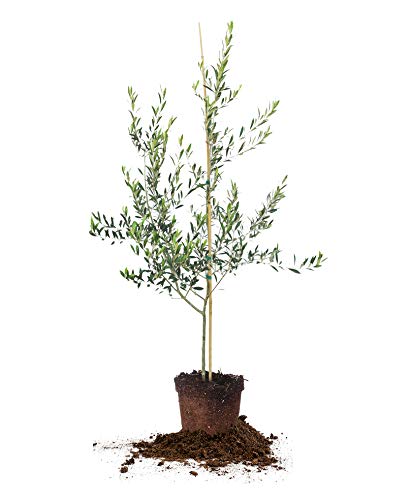
💚 Includes special blend plant food & Planting Guide
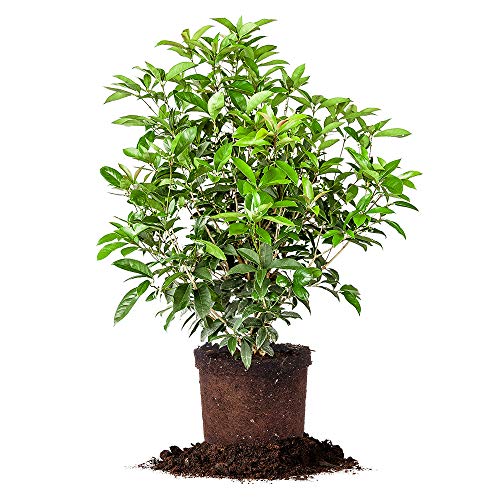
🍋Live 7 gallon Tea Olive comes with easy to use plant food and bloom every Spring through summer months with southern sweet-tea fragrant flowers — the electrifying, natural aroma fills the entire landscape!
Strategic Placement for Maximum Garden Impact

Although symmetrical planting creates order, the key to maximum garden impact lies in precise placement of paired olive trees. Positioning these trees on either side of a pathway aligned within 2 feet of the centerline emphasizes direction and flow. For architectural framing, place trees 5 to 7 feet from doorways or facades to naturally highlight structural elements without crowding. Maintaining equal spacing of 6 to 8 feet between paired trees preserves proportional harmony and creates visual anchors for sightlines. Using pathway alignment alongside architectural framing transforms the garden into an elegant, inviting space. Careful placement not only reinforces symmetry but also enhances focal points, guiding visitors intuitively. This deliberate positioning supports both formal and Mediterranean garden styles, augmenting the overall design with clean lines and clear structure. Choosing pots with durable materials ensures your paired olive trees remain healthy and visually appealing over time.
Recommended Products

HANDCRAFTED FIBERGLASS SPHERE PLANTER - Each Cosapots Orbo round globe planter is handcrafted from high-quality fiberglass and resin by skilled artisans under the guidance of Belgian architects, the premium alternative to plastic or fiberstone.

Rotation Molded Plastic

Botanically Accurate Hand-Painted Foliage & Fruit: This faux olive tree features PE/PVC blend leaves, each hand-painted with natural veins and soft green gradients. Each leaf is individually colored and trimmed for ultra-realistic look,Each deep green to purple artificial olive is hand-pasted for a naturally scattered, non-uniform look—Our faux olive tree leaves mimic fresh olive plant texture for lifelike indoor greenery that elevates any space.
Key Design Principles: Balance, Proportion, and Unity

Placing paired olive trees with precise spacing and alignment sets the stage for balance, proportion, and unity in garden design. Balance means both sides feel equally weighted, so plant trees matching in height and girth, spaced about 10 feet apart for a medium path. Proportion guarantees each olive complements the garden scale; typical mature trees range from 8 to 12 feet tall, fitting most small to medium spaces without overpowering. Unity appears when olive pairs act as anchor points, around which design variations echo—consistent foliage colors and trunk shapes create aesthetic harmony. Grouping trees symmetrically helps maintain order, while pruning to preserve shape avoids visual imbalance. These steps promote a clean, calm look, characteristic of Mediterranean gardens, and support long-term symmetrical appeal. Additionally, selecting olive trees grown in 10-gallon pots ensures roots have adequate room to expand while maintaining balanced growth for design symmetry.
Ideal Companion Plants to Complement Olive Tree Symmetry

How can companion plants enhance the symmetry of paired olive trees? Herbaceous perennials, such as lavender and silver lamb’s ear, create a soft, repeating texture that mirrors each side. Their low, 12- to 18-inch height contrasts well with the olive trees’ vertical form. Drought tolerant shrubs like rosemary or boxwood reinforce structure by adding evergreen mass and visual weight, maintaining balance in hot climates above 70°F. Plant these companions at equal distances—about 2 feet from each olive tree base—to frame and highlight tree symmetry. Combining these plants guarantees matched watering needs and sun exposure, typically full sun to partial shade. When arranged symmetrically, they enhance depth and order, making the olive trees stand out as the primary garden feature. This layered planting approach emphasizes coherence without overpowering the overall design. Selecting companion plants with similar drought resistance as olive trees ensures sustainable maintenance and garden harmony.
Recommended Products

Berkman's Gold offers a unique, vibrant yellow foliage that brightens any garden landscape with its striking year-round color

For sale are 40 Green Giant Arborvitae Plants that are approximately 6-12" tall and shipped in 2.5" pots

Love avocados but live in a colder climate? Enter the Cold Hardy Avocado Tree, the answer to every avocado enthusiast’s dream. This resilient tree laughs in the face of icy temperatures, enduring lows of 20 degrees and still bearing fruit, even in unlikely places. Say goodbye to the decade-long wait for avocado fruits. With our Cold Hardy variety, you’ll savor your own homegrown avocados in a mere three years.
Practical Tips for Planting and Maintaining Paired Olive Trees

Maintaining symmetry starts with correctly planting paired olive trees at the right spots. The ideal spacing between two trees is typically 10 to 15 feet to allow growth without crowding. Measure carefully from a fixed point, like the entryway, to guarantee equal distances on both sides. Choose a location with full sun and well-draining soil to promote health and uniform growth. Pruning techniques matter: prune annually in early spring by removing crossing branches and shaping the canopy symmetrically. This keeps both trees balanced in form. Water deeply but infrequently after establishment to encourage strong roots. Mulching helps retain moisture and reduce weeds evenly around each tree. Finally, monitor for pests or diseases on both sides, treating promptly to prevent asymmetric decline. Consistent care maintains the intended paired aesthetic. Additionally, selecting pots with proper drainage holes ensures healthy root development and prevents waterlogging.
Recommended Products

🌿 live 3-4ft Olive tree comes with easy to use plant food and produces edible olives within the first year of planting!

Gorgeous Landscaping Addition: The Arbequina Olive Tree not only produces table olives, but it's also used to make olive oil. This tree offers evergreen beauty and fragrant spring blooms to go along with its succulent fruit. Plus, it's self-fertile and bears fruit earlier than any other olive tree

Gourmet Home Gardening: Cultivate a taste of the Mediterranean in your own backyard with the Arbequina Olive Tree. This exquisite variety is renowned for its high-quality olives, perfect for homemade olive oil and culinary creations. Elevate your cooking experience with the authentic flavors of freshly harvested olives, right from your garden.
Frequently Asked Questions
Can Paired Olive Trees Survive in Colder Climates?
Paired olive trees have limited cold tolerance and typically struggle in colder climates. Winter protection, such as frost cloths or sheltered planting sites, is essential to prevent damage and enhance their survival during harsh conditions.
How Long Do Olive Trees Take to Mature Symmetrically?
Olive tree growth and maturation timeline require patience. Typically, olives reach symmetrical maturity around 5 to 8 years, during which careful pruning shapes balanced forms. This gradual development guarantees elegant, harmonious garden symmetry at full maturity.
Are There Any Pests or Diseases Common to Olive Trees?
Olive tree pests include the olive fruit fly and scale insects, which can damage leaves and fruit. Olive tree diseases such as verticillium wilt and peacock spot cause defoliation and reduced vigor in affected trees.
Can Olive Tree Pairs Be Grown Successfully in Containers?
Olive tree pairs can be grown successfully in containers if appropriate container size is chosen to accommodate root growth. Soil requirements include well-draining, nutrient-rich soil to prevent waterlogging and support healthy development in limited space.
What Is the Best Pruning Technique for Shaping Olive Trees?
The best pruning technique gently sculpts olive trees during the calming pruning season, using shaping techniques that encourage open canopies and balanced growth. This subtle trimming enhances form while allowing air and light to dance within the branches.


