As an Amazon Associate, we earn from qualifying purchases. Some links on this site are affiliate links at no extra cost to you. Our recommendations are based on thorough research and editorial judgment.


Manzanillo Olive Trees: Spanish Variety Growing Guide

Manzanillo olive trees grow best in USDA Zones 8-11 with full sun, receiving 8 to 10 hours daily. Plant them in well-drained, slightly alkaline soil around pH 7-8, spacing trees 20-30 feet apart to guarantee good airflow and pollination. Water deeply two to three times a week when young, less often as they mature. Protect against olive fruit fly with organic insecticides or traps. Harvest ripens from late October; curing removes bitterness. Keep exploring for more growing tips and care essentials.
Key Takeaways
- Manzanillo olive trees thrive in USDA Zones 8-11 with full sun, well-drained, slightly alkaline soil, and 8-10 hours of daily sunlight.
- Ideal planting sites have good airflow and avoid soggy soil to prevent fungal diseases and promote healthy growth.
- Water newly planted trees deeply 2-3 times weekly; established trees need watering every 9 days, allowing soil to dry between sessions.
- Cross-pollination with other olive varieties boosts fruit yield, with proper spacing enhancing air circulation and productivity.
- Harvest olives in late October-November and cure by brining or fermentation; indoor trees require south-facing windows and annual repotting.
Botanical Profile of Manzanillo Olive
The Manzanillo Olive, scientifically named Olea europaea ‘Manzanillo’, stands out as one of Spain’s key olive varieties. This cultivar is highly adaptable and thrives best in well-drained soil with a slightly alkaline pH. The tree grows between 25 to 30 feet tall and features a rounded canopy with bright green evergreen leaves. It blooms in late spring, producing small white flowers that develop into spherical fruit with a high flesh-to-pit ratio. These olives ripen between October and November and are valued for both table use and oil production. For ideal fruit yield, cross-pollination with other olive varieties is beneficial. The Manzanillo Olive’s combination of adaptability, productive fruit, and manageable size makes it a reliable choice for growers seeking quality and quantity. Like other olive trees, it requires well-drained soil and full sun exposure to thrive optimally.
Ideal Climate and Growing Zones

Manzanillo olive trees grow best in climates that offer plenty of sun and mild winters. They thrive specifically in USDA Zones 8-11, where temperatures rarely drop below 10°F. These olive trees require full sun exposure, ideally 8 to 10 hours of direct sunlight daily, to guarantee robust fruit development. It’s important to plant them in well-draining soil, as they tolerate sandy, loamy, and clay soils only if drainage is good. Slightly alkaline soil pH suits them best. In colder regions outside these zones, such as Zones 4-7, growing Manzanillo olives indoors during winter in pots is vital to avoid freeze damage. Understanding these climate needs helps maintain healthy growth and maximizes fruit yield. Manzanillos are hardy but need protection when temperatures approach freezing. They also benefit from regular pruning and fertilization during the growing season to promote healthy development and fruit production.
Selecting the Perfect Planting Site

Where should one plant olive trees to guarantee they thrive and produce well? The ideal planting site offers full sunlight, receiving 8 to 10 hours daily. Manzanillo olive trees need this for best growth and fruiting. Choose soil with good drainage because olive roots dislike soggy conditions that cause rot. Avoid low spots where water pools after rain; instead, select elevated areas ensuring moisture drains away quickly. This location should also have good airflow to prevent fungal issues. Keep the tree away from buildings or dense plants that block sunlight or limit branches’ spread. In colder zones 4 to 7, potted planting sites allow moving trees indoors during freezing weather. Selecting a site combining sunlight, well-draining soil, elevation, and open space will set the foundation for healthy Manzanillo olives. For optimal soil conditions, a mixture of sandy loam and organic compost is recommended to ensure well-draining soil and provide nutrients essential for growth.
Recommended Products

NATURAL, ORGANIC INGREDIENTS: Made of 100% organic ingredients, this organic potting soil is free from synthetic fertilizers and chemicals. This planting soil gives your plants everything they need. Perfect for soil for indoor plants and outdoor potting soil.

Gardening Mix: Get more out of your flowers, shrubs, and more by mixing the soil with this succulent soil mix to provide natural nutrients for all of your plants free of odor and chemicals

MANY USES: Use Coco coir is an excellent choice for erosion control, pet bedding and soil conditioner. Excellent for growing medium for succulent plants, flowers, and vegetables.
Planting Techniques and Soil Preparation

Although selecting the right site is essential, proper planting techniques and soil preparation play an equally important role in ensuring strong growth. Start by digging a hole matching the root ball’s diameter, keeping the top of the root ball slightly above ground level. For soil preparation, mix two-thirds premium potting soil with one-third fine mulch. This blend promotes moisture retention while supporting well-drained soils, vital for healthy roots. Avoid adding compost or other organic matter in the hole since Manzanillo olives prefer slightly alkaline, lean soils. Plant in spring after frost danger passes, giving young trees the best chance to establish. The combination of suitable planting techniques and well-drained soils supports healthy root development and overall strong tree growth. Additionally, using durable tree stakes can provide essential support during the establishment phase, especially in windy conditions.
Recommended Products

Specifically Formulated for Olive Trees: This potting mix is designed to replicate Mediterranean conditions, balancing moisture retention and drainage for strong roots and healthy growth, indoors and outdoors.

100% Natural: Special custom blend for olive trees in containers

All-Natural: Special blend for growing avocados in containers or as houseplants
Watering and Irrigation Best Practices

Since proper watering supports healthy root growth, it is important to follow a consistent irrigation schedule, especially during the first two years after planting. Newly planted Manzanillo olive trees need deep watering two to three times weekly to help establish a strong root system. Checking soil moisture regularly is essential; the soil should dry out between waterings to avoid root rot. Established trees require less frequent watering—approximately every nine days, with about half a cup each time. Good drainage is essential to prevent soggy soil, which can cause yellowing leaves and other stress. Adjust watering based on seasonal rainfall and temperature changes to maintain ideal soil moisture levels. Following these practices will promote healthy, drought-tolerant olive trees over time. Additionally, Manzanillo olive trees thrive best in well-drained soil to ensure optimal nutrient uptake and growth.
Recommended Products
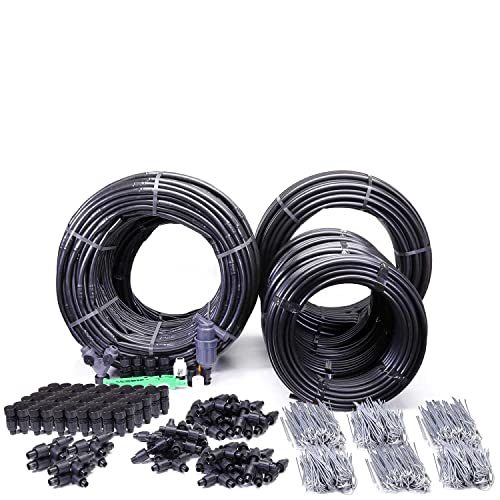

Standard 3/4" Garden Hose Thread Connections

Utilizes 1/4" Micro-Drip Line Watering Rings for Better Root Zone Coverage
Nutrient Management and Fertilization
After establishing a watering routine, nutrient management becomes a key part of keeping Manzanillo olive trees healthy. These trees are not heavy feeders but benefit from a balanced fertilizer in poor soils. Applying a slow-release balanced fertilizer in early spring supports steady nutrient uptake during growth. Manzanillo olives prefer a soil mix that is well-draining and slightly alkaline, with a pH between 6 and 8. Regular repotting with fresh potting soil, ideally annually or when the tree doubles in size, replenishes nutrients effectively. Use a high-quality potting soil that retains moisture without becoming waterlogged. Monitoring soil pH guarantees nutrient availability and helps avoid deficiencies. Following these steps, nutrient management promotes healthy growth and good fruit production. Many gardeners find that using machine washable soil covers and mulches can help maintain moisture levels and protect soil nutrients effectively.
Recommended Products

Nutrients are encapsulated within multiple layers of polymeric resin

Package contains 160 tree and shrub fertilizer spikes and are produced to avoid wasteful runoff, mess, hazards and smells

Composed of water soluble nutrients - Granular formula is coated with a film of plastic resin
Pruning Strategies for Optimal Growth
Manzanillo olive tree’s shape benefits greatly from light pruning to maintain a tidy form and promote healthy fruit growth. Pruning strategies focus on removing diseased branches and dead wood during the dormant season, usually late winter or early spring. This timing encourages new growth and improves light penetration in the canopy. Start by establishing a central leader when the tree is young; it provides strong structural support for future fruit production. Remove suckers from the base and weak branches to improve air circulation, reducing pests and disease risk. Avoid heavy pruning; limit cuts to 20-30% of the canopy yearly. Prune carefully to keep the tree healthy and productive. These methods help guarantee the Manzanillo olive tree thrives without unnecessary stress or damage. Making cuts about ¼ inch above outward-facing buds further supports healthy new growth and minimizes wound exposure.
Pollination Requirements and Tree Spacing
Although olive trees can thrive alone, fruit production requires careful attention to pollination and spacing. Manzanillo trees are self-sterile and need cross-pollination from another variety, such as Frantoio, to set fruit effectively. Plant at least two trees within 20 feet to guarantee good wind pollination. Spacing is essential; keep trees no more than 20 feet apart to allow blossoms to mingle and enhance fruit yield. Proper spacing also improves air circulation and sunlight exposure, which boosts tree health and productivity. Using multiple varieties not only aids pollination but can increase fruit yield to more than 20 pounds per tree. Planning the orchard layout with these spacing and pollination guidelines maximizes Manzanillo olive fruit production efficiently. Additionally, ensuring 6-8 hours of full sun exposure daily is critical for optimal growth and fruit production.
Pest and Disease Control for Manzanillo Olives
Monitoring olive trees regularly helps catch pest problems early before they cause serious harm. The olive fruit fly is a common pest that damages Manzanillo olives by laying eggs inside the fruit, reducing yield considerably. Use organic insecticides or fly traps specifically designed for olives to control this pest effectively. Diseases such as Verticillium wilt and olive knot also threaten tree health, so guarantee good soil drainage and keep the area around trees clean. Maintaining strong tree vigor by providing at least 6 hours of direct sunlight and planting in well-drained soil encourages natural pest resistance. Integrated pest management, combining organic insecticides with natural predator support and sanitation, effectively reduces pests and diseases while protecting the environment. Regular checks every two weeks during warm months prevent infestations from spreading. Additionally, the use of organic aphid sprays helps manage aphid populations without harming beneficial insects.
Recommended Products
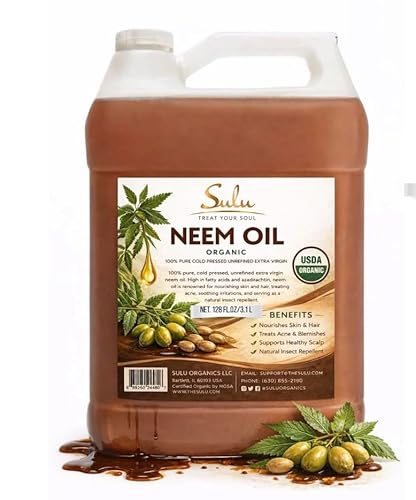
100% Pure Organic Cold Pressed Unrefined Extra Virgin Neem Oil

Lightweight Travel Companion : Minimize your travel wardrobe and maximize your adventure with our odor-resistant, lightweight Merino Wool Men's T-shirts. Unlike cotton and synthetics, it resists odors, even after extended wear. This allows you to pack fewer clothes and easily freshen up with a quick hand wash and air dry on the go.

LIQUID CASTILE SOAP: Dr. Woods Castile soap produces an incredibly rich lather that allows for a deep balancing clean and effortless rinsing. It gently cleanses without over-drying
Harvesting and Processing Manzanillo Olives
A good harvest usually happens between late October and early November, when olives reach the right size and color, either green or fully ripe. Harvesting Manzanillo olives involves hand-picking or gentle shaking to avoid bruising. After collection, curing is essential to remove bitterness. One common method is brining, soaking olives in a 10% saltwater solution for 4 to 6 weeks at room temperature. Alternatively, lye curing uses a 1% sodium hydroxide solution for several hours, followed by thorough rinsing. For black Manzanillo olives, fermentation in alkaline solution alters flavor and color over 3 to 4 weeks. Finally, processed olives yield olive oil known for its sweet, aromatic taste. Proper harvesting and curing directly influence oil quality and edible olive flavor, making timely, careful handling crucial. Utilizing optimal sunlight exposure during the growing phase further enhances the quality and yield of Manzanillo olives.
Growing Manzanillo Olive Trees Indoors
Harvesting and processing Manzanillo olives yield quality fruit, but growing these trees indoors requires a different approach to guarantee healthy development. Growing Manzanillo olive trees inside means placing them near a south-facing window for at least six hours of direct sunlight daily. Using well-draining potting soil is essential to avoid excess moisture. Water the tree cautiously, about 0.5 cups every nine days, letting the soil dry out between watering sessions to prevent root rot. Repot the olive tree annually or when it doubles in size to provide fresh nutrients. Inspect the plant regularly for pests, and adjust its light exposure if growth slows or leaves yellow. Although fruiting may be limited indoors, these steps facilitate healthy growth and longevity for Manzanillo olive trees kept inside.
Frequently Asked Questions
How Fast Does a Manzanillo Olive Tree Grow?
The Manzanillo olive tree’s growth rate is the embodiment of patience, creeping 12 to 24 inches annually under ideal conditions. With proper pruning techniques and notable disease resistance, it rewards those who embrace slow gardening virtues.
How to Grow Manzanilla Olives?
To grow Manzanilla olives successfully, one should plant in ideal soil with good drainage, follow proper watering practices, implement pest control measures, and use regular pruning techniques to maintain tree health and optimize fruit production.
What Are the Best Spanish Olive Varieties?
The best Spanish olive varieties include Manzanillo, Arbequina, Frantoio, Cornicabra, and Picual. Each features distinctive flavor profiles, culinary uses, and harvest techniques, reflecting rich Spanish olive origins and contributing uniquely to global olive oil excellence.
Are Manzanillo Olive Trees Self-Pollinating?
Surprisingly, Manzanillo olive trees are not self-pollinating. Effective pollination techniques, combined with attentive olive tree care and strategic tree maintenance, play crucial roles in maximizing fruit yield, ensuring these trees produce abundant, high-quality olives.


