As an Amazon Associate, we earn from qualifying purchases. Some links on this site are affiliate links at no extra cost to you. Our recommendations are based on thorough research and editorial judgment.


The Ideal Soil Ph Range for Healthy Olive Trees

Healthy olive trees grow best in soil with a pH near 6.5, tolerating a range from 5 to 8.5. This range maximizes nutrient availability, especially nitrogen, phosphorus, and potassium. To measure pH, collect soil samples at 6 and 18 inches deep from various spots, mix them, and test with a kit or lab analysis. Adjust acidic soil with lime or alkaline soil with sulfur for balance. Proper pH supports tree health and fruit production. More guidance on soil management follows.
Key Takeaways
- Olive trees thrive best at a soil pH of 6.5, tolerating a range between 5 and 8.5 for optimal growth.
- Soil pH between 5 and 8.5 ensures proper nutrient availability, supporting healthy tree development and fruit production.
- pH levels below 5 cause nutrient deficiencies and stunted growth, while above 8.5 leads to nutrient imbalances and leaf yellowing.
- Regular soil testing every two to three years helps maintain the ideal pH range and guides necessary adjustments.
- Amendments like lime for acidic or sulfur for alkaline soils help maintain soil pH close to the optimal 6.5 level.
Understanding Soil Ph and Its Importance for Olive Trees
Soil pH is a significant factor in growing healthy olive trees. It directly affects nutrient availability, which influences tree health and fruit yield. Olive trees thrive best under ideal conditions close to a pH of 6.5, though they tolerate values between 5 and 8.5. When soil becomes too acidic or alkaline, key nutrients like iron or phosphorus become less accessible, limiting growth. Regular soil testing is necessary to monitor pH levels accurately. Testing involves collecting samples from different depths—usually 6 to 8 inches—mixing them, and sending them to a lab for analysis. Based on results, adjustments using lime or sulfur can be cautiously applied to reach ideal conditions. Maintaining balanced soil pH guarantees olive orchards remain productive and healthy over time. Using organic soils enriched with peat moss, perlite, and worm castings can also help maintain a stable pH and promote effective root growth.
Optimal Soil Ph Range for Olive Tree Growth
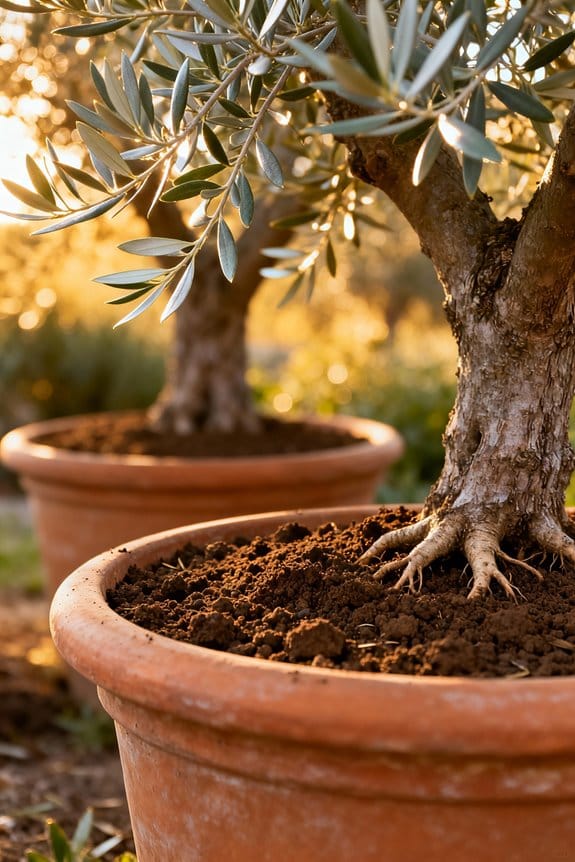
When growing olive trees, maintaining the pH between 5 and 8.5 is crucial for healthy development. The ideal soil pH range centers around 6.5, which supports the best nutrient uptake and encourages steady fruit production. Regular soil testing is the key to confirming your soil remains within this range, helping you adjust as needed. If the pH is too low, applying lime raises it; if it’s too high, sulfur works to lower it. These adjustments prevent harmful effects from excess boron, sodium, and chloride. Keeping pH balanced fosters healthy olive trees by enhancing nutrient availability in the soil. Consistent monitoring and appropriate amendments guarantee that olive trees grow strong and yield bountifully without facing stress from unfavorable soil conditions. Additionally, maintaining proper soil conditions is essential because unlike artificial olive trees, real olive trees require nutrient uptake through natural soil interactions to thrive.
Recommended Products

PREMIUM INGREDIENTS: This specifically crafted organic compost blend has a low pH premium formulation that is naturally lightweight and contains just the right ingredients ensuring healthy growth and beautiful results.

Natural Soil Conditioner for Healthier Plants: Heirloom Worm Castings are a 100% natural soil amendment rich in beneficial nutrients that improve overall soil quality and plant performance
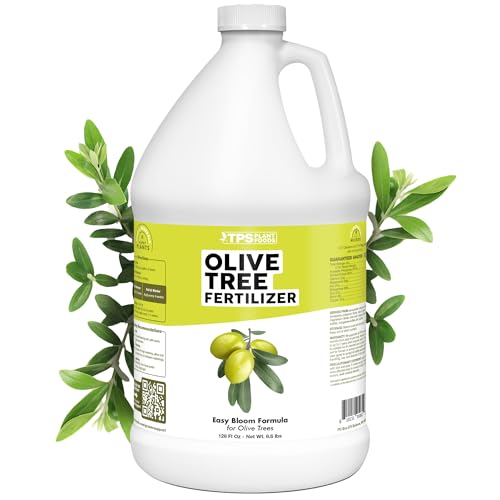
Made for Olive Trees - This olive tree fertilizer is formulated specifically to support healthy growth and long-term vitality in olive trees.
Effects of Soil Ph on Olive Tree Nutrient Absorption
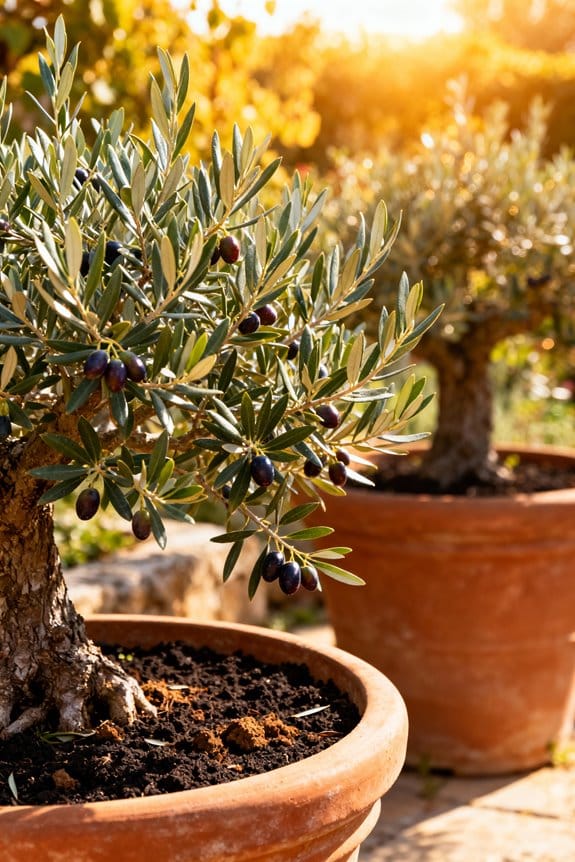
Maintaining the right pH balance directly impacts how olive trees absorb nutrients from the soil. When soil pH stays between 5 and 8.5, nutrient absorption works efficiently, especially near the best 6.5 level. Essential nutrients like nitrogen, phosphorus, and potassium become more available to support a healthy olive tree. If soil pH drops below 5, certain nutrients become insoluble, causing nutrient deficiencies that stunt growth and reduce fruit yield. On the other hand, pH above 8.5 often leads to nutrient imbalances, notably iron deficiency that causes yellow leaves. Ensuring soil pH remains within the ideal range promotes best growing conditions. Regular monitoring is vital because even small shifts in soil pH affect nutrient uptake and overall tree health. Using an organic olive tree potting mix with balanced pH can help maintain optimal soil conditions for nutrient availability.
Recommended Products

ACCURATELY MEASURES SOIL PH & SOIL MOISTURE- Our Pro pH & Moisture Soil Tester measures soil pH and soil moisture levels in 3 minutes. It's accurate to within 0.2 pH and 10% moisture level.

NUTRIENT RICH & PLANT FOOD COMPATIBLE: Our tropical plant soil is full of living beneficial microbes. Enriched with essential nutrients, organic matter, and worm castings, this tropical potting soil works perfectly with Grow Queen Organic All-Purpose Plant Food for robust and healthy growth.

Miracle-Gro Indoor Potting Mix feeds houseplants for up to 6 months and is designed to be less prone to gnats (contains no compost or bark, which are known to shelter fungus gnats)
How to Test Soil Ph Before Planting Olive Trees
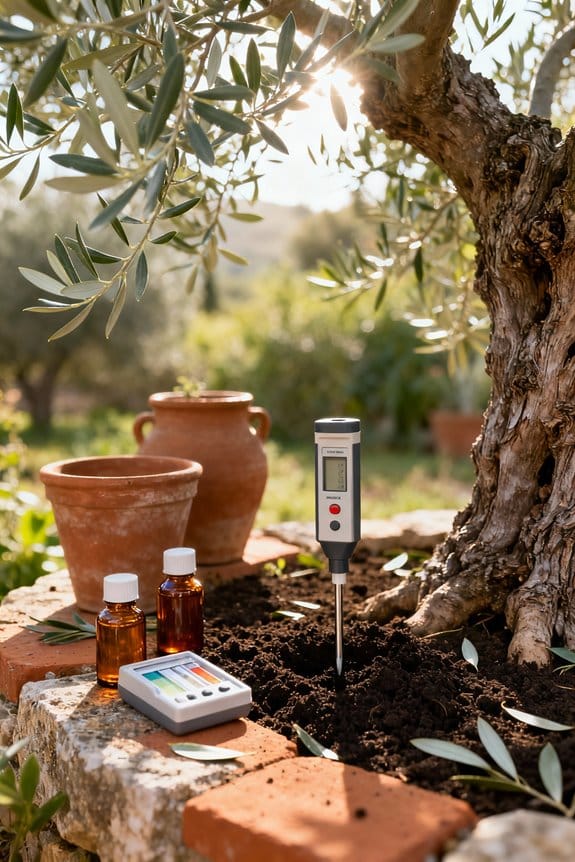
Before planting olive trees, it’s important to test the soil pH to confirm the ground is suitable. First, collect soil samples from several spots within the planting area. Take sub-samples at two depths: 6 inches and 18 inches to capture surface and root zone conditions. Mix these sub-samples for a representative test. Use a reliable soil testing kit to measure soil pH at home or send samples to a local lab for detailed analysis. Olive trees need soil pH between 5 and 8.5, but the ideal target is around 6.5 for healthy growth. This guarantees nutrient availability. Testing also checks for harmful elements like sodium and boron. Adjust soil accordingly using lime or sulfur before planting to create the best environment for olive trees. Maintaining the proper pH range is crucial for nutrient absorption and overall plant health.
Recommended Products

【7 IN 1 MULTIFUNCTIONAL SOIL TESTER】: Discover the power of our 7 in 1 Fast Soil Tester, which effectively measures Nitrogen, Phosphorus, Potassium, pH, temperature, moisture, and conductivity. perfect for petrochemical, environmental protection, metallurgy, mining, agriculture, experiment, surveying and other industries.

Results by mail or email within one week

KNOW BEFORE YOU GROW | Grow the healthiest, sustainable lawn and garden with the most accurate and easy to use professional soil test kit on the market
Common Soil Types Suitable for Olive Trees
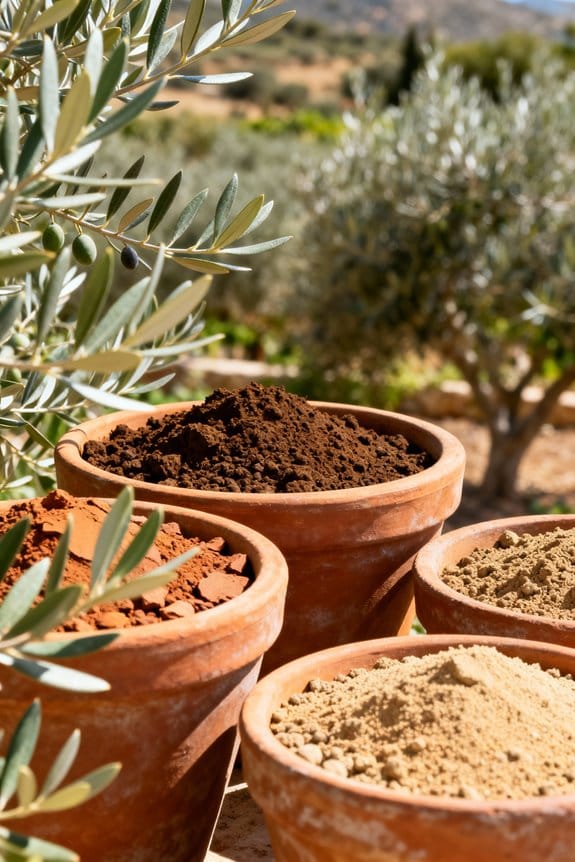
Soil type plays a big role in how well olive trees grow. Common soil types suitable for olive trees include dry, chalky, and clay-rich soils that are well-draining, preventing waterlogging which harms roots. These soils should retain enough organic matter to supply nutrients steadily. The ideal pH range for these soils falls between 5 and 8.5, ideally near 6.5, supporting nutrient availability and root health. Planting on a slight slope is beneficial, enhancing drainage further. Regular soil testing is essential before planting and annually afterwards to monitor nutrient levels and detect harmful elements like sodium or boron. Soil testing guides timely adjustments, ensuring soil conditions stay within the acceptable range. Well-prepared soil increases the chances of a healthy, productive olive tree over time. Using a potting mix optimized for olive trees can further enhance root oxygenation and nutrient absorption.
Adjusting Soil Ph for Olive Tree Planting
A well-balanced soil pH is key to giving olive trees a strong start. First, conduct soil testing to measure the current soil pH accurately. Olive trees prefer a range between 5 and 8.5, with 6.5 being perfect for healthy growth. If the soil pH is too low, adding lime raises the level slowly; apply about 50 pounds per 1,000 square feet for every 0.5 pH increase needed. Conversely, sulfur lowers pH; use roughly 2 pounds per 100 square feet to drop it by 0.5 units. Always mix amendments thoroughly into the top 6–8 inches of soil before planting. Regular monitoring after adjustment guarantees the pH stays within the best range, preventing nutrient lockout. Correctly adjusting soil pH lays the foundation for robust olive tree development. Additionally, supporting young olive trees with durable steel stakes can help maintain their stability as their root systems establish in the amended soil.
Recommended Products

Improves soil health, lawn health, plant health, and reduce the use of fertilizers

FOR USE ON: For all Acid-loving plants; Use Espoma Organic Soil Acidifier for azaleas, hydrangeas, rhododendrons, blueberries, evergreens, strawberries, camellias, and all plants that thrive in acidic soils.

Specifically Formulated for Olive Trees: This potting mix is designed to replicate Mediterranean conditions, balancing moisture retention and drainage for strong roots and healthy growth, indoors and outdoors.
The Role of Soil Drainage and Ph in Olive Tree Health
When planting olive trees, good drainage is as important as the right pH level. Olive trees prefer soil with a pH between 5 and 8.5, ideally near 6.5, for healthy growth. Proper drainage prevents excessive soil moisture, which can cause root rot and slow growth. Choose well-draining soils like chalky or clay-rich types enriched with organic matter, and consider planting on a slope to avoid standing water. Testing soil pH and drainage before planting helps identify necessary adjustments. Proper drainage improves oxygen flow to roots, boosting nutrient uptake. Avoid heavy, water-retentive soils unless amended with sand or organic matter. These steps create an environment that supports olive trees’ healthy growth by balancing pH and controlling moisture effectively. Additionally, incorporating fertilizers with a balanced NPK ratio enhances nutrient availability and promotes robust growth in well-drained soil.
Impact of Soil Ph on Olive Tree Disease Resistance
Soil pH affects nutrient availability, directly impacting disease resistance. When soil pH falls outside the ideal 5 to 8.5 range, nutrient deficiencies occur. These deficiencies weaken the tree’s immune system, making it vulnerable to illnesses such as Verticillium wilt. For example, a pH above 8.5 raises toxic sodium and boron levels, increasing disease risk. Proper potassium uptake is also hindered by poor pH, reducing natural defenses. Regular soil testing is critical to monitor pH levels and correct imbalances. Applying lime can raise pH if it’s too acidic, while sulfur lowers it if too alkaline. Maintaining soil pH near 6.5 optimizes nutrient uptake and strengthens olive tree disease resistance effectively. Additionally, using a well-draining soil mix helps support healthy olive tree growth and nutrient absorption, enhancing overall disease resistance.
Managing Soil Ph in Different Climates for Olive Trees
Although olive trees can tolerate a pH range from 5 to 8.5, managing soil pH requires climate-specific adjustments to keep them healthy. In acidic climates, adding lime raises the soil pH closer to the ideal 6.5. Conversely, alkaline soils benefit from sulfur applications to reduce pH levels, making nutrients more available. Regular soil testing, ideally twice per year, helps monitor pH levels, preventing harmful extremes. For instance, applying 50 to 100 pounds of agricultural lime per 1,000 square feet can adjust acidic soils, while sulfur doses vary from 1 to 3 pounds per 100 square feet for alkaline correction. It’s important to tailor amendments based on local rainfall and humidity since wetter climates may leach nutrients more rapidly, requiring more frequent soil testing and adjustments. Avoid soils high in sodium or boron, as they harm olive trees. Additionally, maintaining proper soil nutrient balance supports healthy tree growth and improves overall olive tree health.
Organic Matter and Soil Ph Balance for Olive Trees
Soil health plays an essential role in maintaining the right pH balance for olive trees. The soil type influences how well organic matter integrates and stabilizes pH levels, which for olive trees ideally hover around 6.5. Adding organic matter improves soil structure and drainage, reducing the risk of nutrient deficiencies that harm healthy olive trees. Without enough organic content, essential nutrients become unavailable, stunting growth and fruit quality. Conduct a soil test before planting to check organic matter percentages and pH balance. Typically, soils with 3-5% organic matter help stabilize pH between 5 and 8.5, the range olive trees tolerate. Consider routine testing every few years to monitor changes, ensuring the soil consistently supports robust tree health before addressing amendments or further adjustments. Additionally, incorporating organic fertilizers can enhance soil health and promote strong olive tree vitality.
Soil Amendments to Maintain Ideal Ph Levels
When maintaining ideal pH levels for olive trees, adding proper soil amendments is key. If the soil pH is above 8.5, elemental sulfur can be applied at about 1 to 3 pounds per 100 square feet to lower pH gradually. Conversely, if the soil is too acidic, agricultural lime should be used at rates of 5 to 10 pounds per 100 square feet to raise soil pH toward 6.5, the preferred level for healthy olive trees. A soil test is essential before applying amendments to determine pH and nutrient deficiencies. Potassium is often added before planting to aid root health, while nitrogen is applied later to support growth. Avoid adding amendments with high boron, sodium, or chloride levels, as these harm olive trees and impede ideal growth.
Recommended Products

IRON SULFATE HEPTAHYDRATE - Iron ferrous sulfate is used as a soil amendment for lowering the pH of a high alkaline soil so plants can more readily access the soil's nutrients. It is a heptahydrate in the form of iron (2+) sulfate

Biofertilizer which contains living enzymes which, when applied to seeds, plant surfaces, or soil, colonize the rhizosphere or the interior of the plant and promotes growth by increasing the supply or availability of primary nutrients to the host plant.
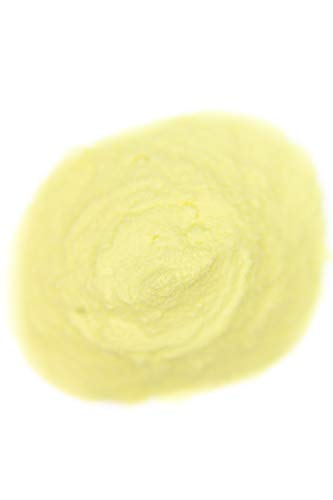
Coarse Ground Sulfur Powder
Long-Term Soil Ph Monitoring for Sustainable Olive Tree Growth
Because maintaining the right pH range between 5 and 8.5 is essential, regular monitoring over time guarantees olive trees stay healthy. Long-term soil pH monitoring involves testing soil every two to three years to detect shifts outside the ideal pH range. Testing helps spot imbalances early, allowing timely adjustments with lime to raise pH or sulfur to lower it. Careful soil management practices such as adding organic matter and planting cover crops stabilize pH and improve olive tree health. In addition to pH, monitoring boron, sodium, and chloride levels prevents toxic buildup that harms healthy growth. Consistent monitoring ensures nutrient availability, supporting tree vigor and enhancing olive oil quality, making long-term soil pH monitoring indispensable for sustainable olive tree cultivation.
Frequently Asked Questions
What Is the Best Soil Ph for Olive Trees?
Like a delicate dance, olive trees thrive best at a soil pH near 6.5. Soil testing guides pH adjustments and soil amendments, safeguarding nutrient levels to maintain tree health and guarantee robust growth and fruitful harvests.
How Often Should You Water an Olive Tree?
Watering frequency for olive trees varies with seasonal watering and soil moisture. During drought, irrigation methods like drip systems are preferred. Newly planted trees need frequent watering, while mature trees require less, adjusting to prevent overwatering and maintain health.
What Is the Best Fertilizer for Olive Trees?
The best fertilizer for olive trees combines slow-release formulations with a balanced NPK ratio, emphasizing 16-16-16. Organic fertilizer options, including compost usage guidelines, complement foliar feeding benefits to enhance nutrient absorption and overall tree health.
Do Coffee Grounds Help Olive Trees?
Coffee grounds offer benefits of compost and nitrogen sources, enhancing olive trees’ growth with organic amendments. Their slight soil acidity and mulching techniques improve soil structure, but excessive use risks unbalancing pH, making moderation essential for health.


