As an Amazon Associate, we earn from qualifying purchases. Some links on this site are affiliate links at no extra cost to you. Our recommendations are based on thorough research and editorial judgment.


The Art of Espalier: Flat-Training Olive Trees

Espaliering olive trees involves training branches flat against a wall or trellis, spaced 16 to 24 inches apart, to maximize sunlight and space. Start with hardy varieties like ‘Arbequina’ or ‘Frantoio’ in well-draining soil, receiving 6 to 8 hours of sun daily. Install sturdy galvanized wire supports 4 to 6 inches from the trunk for airflow. Prune annually in late winter to maintain shape and promote airflow. Proper watering and balanced fertilizing guarantee healthy growth. Further guidance covers design and troubleshooting tips.
Key Takeaways
- Espaliering olive trees enhances aesthetics and maximizes sunlight exposure, improving fruit production and photosynthesis.
- Select varieties like ‘Arbequina’ or ‘Kalamata’ suited for compact growth and training in small spaces.
- Plan espalier layout on a sunlit wall with 4-6 inch spacing from the wall for optimal air circulation.
- Install sturdy support structures such as galvanized wires 4-6 inches from planting to guide and support branches.
- Prune annually in late winter to maintain flat shape, improve airflow, and reduce pests and diseases.
Benefits of Espaliering Olive Trees
Espaliering olive trees offers a unique way to shape these plants for both beauty and function. This technique involves training trees flat against supports, ideal for small space gardens. It maximizes sunlight exposure, boosting fruit production and contributing to improved health through better photosynthesis. Espaliered olive trees require careful pruning and regular maintenance, which encourages strong branches and enhances air circulation. Good airflow reduces pest risks and disease, maintaining a healthier tree overall. Training trees with espalier also contributes to space efficiency, allowing gardeners to grow more trees in confined areas. Pruning typically starts annually in late winter when the tree is dormant, removing unwanted growth to maintain the shape and promote fruiting wood. This disciplined process balances aesthetic appeal with practical fruit harvest. Additionally, espaliered trees benefit from being planted in well-draining, loamy soil to ensure optimal growth and health, as olive trees prefer well-draining soil conditions.
Selecting Olive Tree Varieties for Espalier

When choosing olive tree varieties for espalier, gardeners should focus on growth habits suited to training and the intended use of olives. Varieties like ‘Arbequina’ offer compact growth and high oil yield, making them ideal for small spaces. ‘Frantoio’ adapts well when you train the tree, producing flavorful olives favored in cooking. The ‘Kalamata’ has a robust growth habit and yields large, tasty olives, fitting for espalier. It’s important to plant olive trees in well-draining soil receiving 6 to 8 hours of sunlight daily. Espaliered olives thrive in warmer climates where their drought resistance makes them low-maintenance landscape choices. Selecting varieties that adapt well to flat training guarantees better growth control and consistent fruit production for both aesthetics and utility. Additionally, regular pruning twice a year helps maintain the espalier shape and enhances fruit yield.
Recommended Products
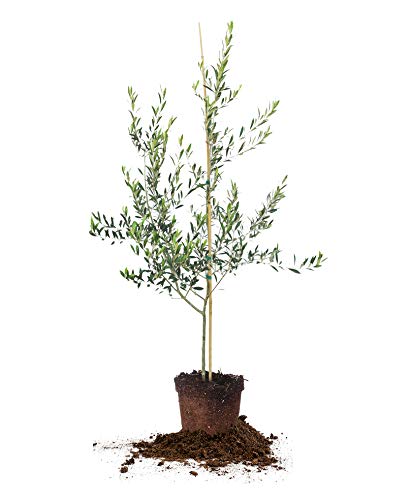
💚 Includes special blend plant food & Planting Guide

Gorgeous Landscaping Addition: The Arbequina Olive Tree not only produces table olives, but it's also used to make olive oil. This tree offers evergreen beauty and fragrant spring blooms to go along with its succulent fruit. Plus, it's self-fertile and bears fruit earlier than any other olive tree

Gourmet Home Gardening: Cultivate a taste of the Mediterranean in your own backyard with the Arbequina Olive Tree. This exquisite variety is renowned for its high-quality olives, perfect for homemade olive oil and culinary creations. Elevate your cooking experience with the authentic flavors of freshly harvested olives, right from your garden.
Planning and Designing Your Espalier Layout

A successful espalier starts with careful planning and design. Begin by selecting a wall or support structure that gets 6 to 8 hours of sunlight daily. This sunlight is essential for olive tree growth and fruit production. When designing your espalier layout, use chalk to draw your desired pattern on the wall. This helps visualize branch spacing and arrangement. Plan for 4 to 6 inches of spacing between the tree and the wall to facilitate good air circulation and avoid moisture issues. Consider the vertical structure and overall size of the tree to fit your garden’s style. Guide wires spaced 16 to 24 inches apart will organize and support new growth effectively within the espalier layout designed for a tidy, productive olive tree. Additionally, choosing a pot stability strategy, such as a stable pot around 6-8 inches wide, can prevent tipping and ensure your espalier remains secure.
Recommended Products

🌱「Sleek & Modern Wall Cable Trellis」- The PLANTOP wire trellis offers a minimalist and contemporary design that complements any outdoor or indoor wall. Made from premium Marine Grade T316 Stainless Steel, this trellis kit is waterproof, sun-resistant, and rust-proof. It’s designed to last a lifetime, and with just one grid layout, you’ll have a sturdy and reliable trellis for years to come

AESTHETIC PLANT SUPPORT: Twigs GA Original Plant Support Stakes blend seamlessly with your plants’ natural beauty, providing discreet, reliable support. Simply place them in the soil to keep your plants upright and elegant without the need for clips or twist ties, giving your indoor and outdoor spaces a neat, modern look.

TRAIN PLANTS TO GROW UPWARD - The Coir moss poles provide sturdy vertical support for plants climbing, allowing potted plants to cling to grow up. Coir totem poles have excellent water storage capacity to hold plant nutrients and water, prevent aerial roots from drying out, and allow your plants to thrive in the light just as they would in nature
Installing Support Structures for Olive Espalier

Before attaching any wires or trellis, it’s vital to select sturdy materials that will support your olive tree as it grows heavier over time. Use galvanized wire or tension cables spaced 16 to 24 inches apart to allow effective branch training. Vertical support should be established first to encourage a strong central trunk before training the side branches horizontally. Anchors or eye bolts secured in masonry or wooden fences provide stable points for attaching guide wires. Install the structure 4 to 6 inches from the planting hole to guarantee proper airflow and root expansion. The guide wires help manage growth habits while supporting branches as they mature. This setup keeps the tree stable and healthy throughout its espalier development without hindering root growth or air circulation. For an enhanced decorative appeal indoors, consider supplementing your espaliered olive tree with artificial olive trees that feature adjustable branches for a realistic and low-maintenance greenery option.
Recommended Products

【SPECIFICATIONS】Stainless steel rope net has wire diameters: 2mm. Mesh size: 12cm. Various sizes are available for your choice or customize the size according to actual needs.
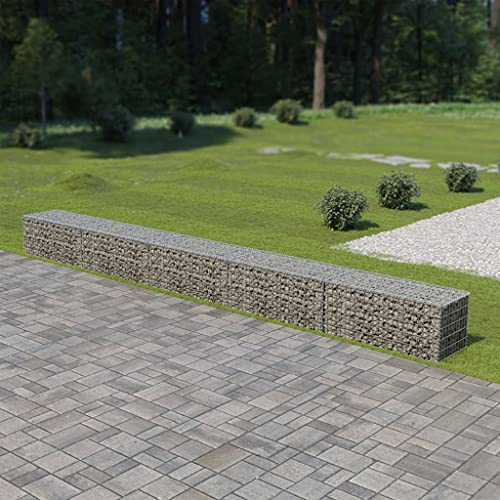
【Secure Yet Stylish】This gabion raised bed allows you to conveniently create a Secure Yet Stylish border for a flower or plant bed in your garden or on your patio.

HEAVY‑DUTY CONSTRUCTION – Made with rugged 12.5‑gauge galvanized steel wire, delivering long‑lasting durability and resistance to bending or breakage for demanding outdoor use
Techniques for Pruning and Training Olive Branches

Start by selecting strong vertical shoots during the initial growth phase to establish the tree’s framework. Tie these shoots to support wires spaced 16 to 24 inches apart to guide their growth. Prune upward-growing shoots regularly to encourage a horizontal growth habit, cutting side branches back to just above a healthy outward-facing bud. Perform pruning in late winter or early spring before the growing season begins. Focus on maintaining 3 to 5 main branches spread evenly across the wire framework to promote balanced growth and fruit production. Remove any weak or crossing branches that cause overcrowding, ensuring good air circulation and light penetration. This careful training and pruning help the olive tree develop a healthy structure typical of successful fruit trees trained flat against supports. Pruning during dormancy optimizes tree health by minimizing sap loss and stress.
Recommended Products

【UP TO 45mm CUTTING DIAMETER】- SWANSOFT-8612 electric tree trimmer blades can easily cut through branches up to 45mm thick without causing damage. The blades of this battery pruning shears are forged from Swiss SK5 high-carbon steel, which is sharp and resistant to wear and tear. Flat and fast pruning like cutting butter easily

【Designed for Orchard, Vineyard & Large Backyard Trees】Built for real pruning work across orchards and residential landscapes, Kebtek KT 9035 battery operated pruners easily cut apple, peach, olive trees, and grapevines up to 35mm (1.38 inch). Also suitable for common American yard trees such as oak, maple (sugar & red maple), pecan, eucalyptus, and palm trees, making it a versatile solution for both fruit farms and home gardens.

This tree pruning kit includes everything you need to get the job done in one convenient package
Watering, Fertilizing, and Tree Care Essentials
Consistent watering remains critical for espalier olive trees, especially during hot, dry periods. Established trees require about 1 to 1.5 inches of water per week to support healthy growth and fruit production. Fertilizing with a balanced 10-10-10 formula in early spring at one pound per 100 square feet boosts new growth and yields. Always check that the soil drains well to prevent root rot, amending if needed. Pruning annually in late winter helps maintain the flat shape and increases airflow, reducing disease risk. Regular tree care includes scouting for pests like olive fruit flies and managing them through integrated pest management techniques. This proactive approach guarantees strong tree health and optimizes fruit quality without compromising the espalier form. Ensuring the soil pH is within the ideal range of 6.0 to 8.0 also promotes optimum nutrient uptake and tree vigor.
Troubleshooting Common Issues in Olive Espalier
When olive espaliers show slow growth or poor fruiting, the root causes often lie in soil conditions and sunlight exposure. Olive trees need well-drained soil and at least 6 to 8 hours of daily sunlight for healthy photosynthesis. Over-pruning can weaken growth, so prune sparingly to maintain leaf area while shaping the espalier. Watch for pests like olive fruit flies and scale insects; apply organic insecticides when detected. Improper training techniques, such as binding branches too tightly, can stress the tree and limit fruit production. Consistent soil moisture is essential—avoid drought or waterlogging by maintaining even moisture levels and using mulch to reduce environmental stress. By addressing these key factors, olive espaliers will grow more vigorously and produce higher yields, reflecting careful, informed care. Incorporating organic compost can improve soil nutrients and moisture retention, promoting healthier olive tree growth and better fruiting outcomes.
Recommended Products

NATURAL, ORGANIC INGREDIENTS: Made of 100% organic ingredients, this organic potting soil is free from synthetic fertilizers and chemicals. This planting soil gives your plants everything they need. Perfect for soil for indoor plants and outdoor potting soil.

Nutrient-Rich: Gaia Green Living Soil is a premium organic potting mix loaded with essential nutrients and microbes to support vigorous plant growth.

Specifically Formulated for Olive Trees: This potting mix is designed to replicate Mediterranean conditions, balancing moisture retention and drainage for strong roots and healthy growth, indoors and outdoors.
Frequently Asked Questions
Can Olive Trees Be Espaliered?
Certainly, olive trees can be espaliered, showcasing stunning shapes. Espalier benefits include space-saving and enhanced fruit production. Success depends on proper growing techniques, pruning schedules, support structures, soil requirements, pest control, ideal climates, and consistent maintenance tips.
What Is an Espalier Trained to Grow Flat Against?
An espalier is trained to grow flat against vertical structures, such as walls or trellises, using espalier techniques that emphasize branch positioning, wall support, pruning practices, and seasonal care to enhance space efficiency, aesthetic appeal, and light exposure.
What Is the Difference Between Espalier and Pollarding?
The difference between espalier techniques and pollarding lies in their approach to tree pruning: espalier focuses on structured growth against supports for fruit tree training and ornamental gardening, while pollarding manages size via cyclical pruning in vertical gardening methods.
How to Train Olive Tree Branches?
Training olive tree branches is a walk in the park with proper branch positioning on support structures. Pruning techniques, watering practices, pest control, sunlight exposure, soil requirements, seasonal care, growth patterns, and variety selection guarantee strong, healthy development.


