As an Amazon Associate, we earn from qualifying purchases. Some links on this site are affiliate links at no extra cost to you. Our recommendations are based on thorough research and editorial judgment.


Spring Awakening: Caring for Olive Trees After Dormancy

After dormancy, olive trees need deep watering once a week, about 1 inch per week, especially when temperatures rise above 65°F. Prune lightly in early spring to remove dead or frost-damaged branches, up to 15% of the canopy, ensuring good airflow. Clear weeds and apply 2-3 inches of mulch, keeping it away from the trunk. Use balanced fertilizer before flowering and inspect for pests. Proper care supports healthy spring growth and fruiting. Further steps refine thriving olive trees.
Key Takeaways
- Deeply water olive trees weekly, ensuring soil moisture with about 1 inch per week, especially when temperatures exceed 65°F.
- Perform light pruning early spring, removing dead or frost-damaged branches to enhance sunlight, airflow, and fruit production.
- Clear debris and weeds near the base, then apply 2-3 inches of mulch, keeping it 2-3 inches away from the trunk.
- Apply balanced fertilizer with micronutrients just before flowering to boost nutrient absorption and flower viability.
- Inspect regularly for pests like aphids, scale, and olive fruit flies, treating promptly with appropriate insecticidal soap.
Preparing Olive Trees for Spring Growth
Each spring, olive trees emerge from dormancy and begin growing new shoots and leaves. Water deeply at least once a week to maintain consistent soil moisture, especially if temperatures reach 65°F or higher. Perform light pruning early in spring to remove dead or frost-damaged branches, but avoid heavy cuts that could slow new leaf development. Apply a balanced fertilizer with equal parts nitrogen, phosphorus, and potassium (10-10-10), using about 1 cup per tree placed near the drip line. Monitor closely for pests such as aphids and olive fruit flies during this vulnerable period and treat infestations promptly with insecticidal soap. Spread a 2-inch layer of compost around the base to conserve moisture and regulate soil temperature, which supports healthy growth as the tree changes from dormancy. For optimal nutrient uptake and fruit production, consider using fertilizers with an NPK ratio tailored to olive trees.
Pruning Techniques to Encourage Fruiting

Proper pruning plays an essential role in encouraging olive trees to produce abundant fruit. Light annual pruning during early spring, before the flowering phase, is critical. This process removes dead or frost-damaged branches, allowing sunlight and airflow to reach inner growth that supports fruit formation. Maintaining a balanced structure by focusing on a strong central leader or an open shape helps distribute energy evenly. It promotes fruiting by fostering healthy bud development on new shoots. For potted trees, pruning should be lighter to control size and stimulate lateral growth, improving fruit access. Prune branches about 6 inches long, cutting just above a healthy bud angled outward. This approach guarantees the tree stays productive without overburdening its resources during the fruiting cycle. Additionally, limiting pruning to 10-15% of the canopy annually ensures the tree remains healthy and maintains optimal growth.
Recommended Products

【UP TO 45mm CUTTING DIAMETER】- SWANSOFT-8612 electric tree trimmer blades can easily cut through branches up to 45mm thick without causing damage. The blades of this battery pruning shears are forged from Swiss SK5 high-carbon steel, which is sharp and resistant to wear and tear. Flat and fast pruning like cutting butter easily

【Designed for Orchard, Vineyard & Large Backyard Trees】Built for real pruning work across orchards and residential landscapes, Kebtek KT 9035 battery operated pruners easily cut apple, peach, olive trees, and grapevines up to 35mm (1.38 inch). Also suitable for common American yard trees such as oak, maple (sugar & red maple), pecan, eucalyptus, and palm trees, making it a versatile solution for both fruit farms and home gardens.

This tree pruning kit includes everything you need to get the job done in one convenient package
Removing Winter Damage and Dead Branches

Start by thoroughly inspecting the olive tree for any branches that look dead, diseased, or frost-damaged from the winter months. Removing winter damage is vital to maintain tree health and encourage new growth. Use clean, sharp pruning shears to cut dead branches at their base, making smooth cuts about ¼ inch above healthy buds or lateral branches. Focus on preserving a strong central leader or open canopy by trimming excessive growth that blocks sunlight and air circulation. Perform this pruning in early spring once temperatures consistently reach above 45°F. Regularly check for pest issues on remaining branches and leaves, since untreated pests can multiply rapidly as the tree warms. Following these steps guarantees the olive trees stay vigorous and ready for the growing season ahead. Olive trees thrive in temperatures from 60 to 80F while tolerating extremes from 10 to 100F, making them resilient plants for diverse climates.
Cleaning and Mulching Around the Tree Base

When the olive tree begins to wake from dormancy, cleaning around its base becomes an essential task. Remove old leaves, twigs, and fallen fruit to prevent disease and pests. Pull out weeds carefully, as they compete for moisture and nutrients the tree needs to grow. After cleaning, apply a fresh 2–3 inch layer of mulch—bark, straw, or compost works well. Mulch helps conserve soil moisture and regulates temperature, protecting roots during spring. Be sure to keep mulch 2–3 inches away from the trunk to avoid moisture buildup that can cause rot. Regular cleaning and mulching improve light and airflow around the base, which supports overall tree health as it recovers from dormancy and prepares for new growth. Using a soil mix with balanced moisture retention also helps maintain optimal root conditions during this critical period.
Recommended Products

BULK MULCH FOR LARGE PROJECTS: Pallet contains 80 bags of Scotts Nature Scapes Color Enhanced Mulch Deep Forest Brown; each 1.5 cu. ft. bag covers 6 sq. ft. when applied in a 3-inch layer

ORGANIC MULCH: With this Miracle-Gro Organic All Natural Mulch bulk pallet, you can cover your biggest landscaping and gardening projects

TREE BARK :Experience lifelike decor with our artificial tree bark that features deep texture, Strong 3D effects, Its natural-looking bumps and grooves mimic real tree bark, making it perfect for adding authentic rustic charm to any space,Ideal for high-demand projects where realism matters
Optimal Watering Practices as Temperatures Rise

How often should an olive tree be watered as spring temperatures climb to 70–80°F? It’s best to check soil moisture regularly and water deeply but infrequently. Olive trees need consistent care during this time to promote healthy root development. Wait until the top 1-2 inches of soil feel dry before watering again. For potted olive trees, use a Soil Moist Transplant Mix that retains moisture without causing sogginess and make sure drainage is adequate. During the flowering phase, increase watering frequency to support flower buds and new growth because consistent moisture helps fruit set. This approach prevents overwatering while ensuring the tree gets enough water as temperatures rise. Following these steps keeps olive trees thriving throughout spring’s critical growth period. A well-balanced soil mix with equal parts potting soil, coarse sand, and perlite provides the optimal well-draining soil and pH balance needed for healthy growth.
Recommended Products
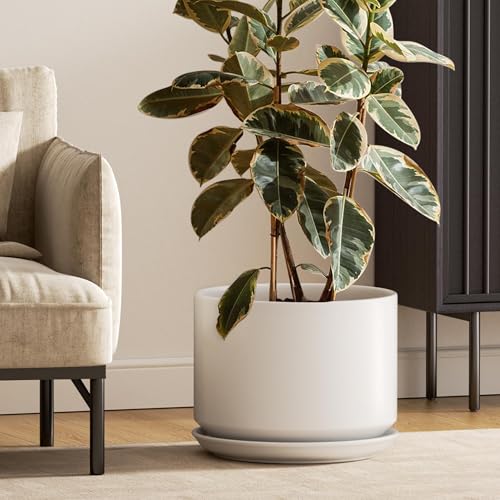
Magic of 12 Inch Pots for Plants: With a 12-inch diameter and 9.4-inch height, this spacious 12 inch plant pot is tailor-made for your indoor oasis. Its universal size accommodates larger green wonders or a delightful mix of smaller plants. Elevate your botanical haven with our elegant 12 inch planter

Includes: 12 Bottles of Dirty Sue Premium Olive Juice 12.9oz

Specifically Formulated for Olive Trees: This potting mix is designed to replicate Mediterranean conditions, balancing moisture retention and drainage for strong roots and healthy growth, indoors and outdoors.
Fertilizing Strategies for Early Spring Growth
Although olive trees require mostly low nitrogen, early spring is the best time to apply fertilizer. Fertilization using low-nitrogen fertilizers like a 5-10-10 formula promotes strong leaf growth and fruit development. For potted olive trees, a balanced, slow-release fertilizer such as Nutra Pro Fertilize Packs offers steady nutrient delivery. Apply once when new growth appears, ensuring soil moisture is adequate before and after fertilizing. Watering is essential because consistent soil moisture helps the roots absorb nutrients effectively. After flowering, a light second application may be useful if nutrient deficiency signs appear, but avoid overfertilizing. Maintain soil moisture at about 50–60% field capacity for ideal uptake. Proper timing and method of fertilization enhance the tree’s early spring vigor without overwhelming its needs. Including micronutrients like iron and zinc can further support healthy growth during this critical period.
Recommended Products

Package contains 160 evergreen fertilizer spikes and are produced to avoid wasteful runoff, mess, hazards and smells
![Organic Plant Magic - Truly Organic™ Long-Lasting Spreadable Plant Food: All-Purpose Fertilizer Granules for All Flower Vegetable Herb Fruit Tree Shrub Container Garden & House Plants [One 20 lb Bag]](https://m.media-amazon.com/images/I/41j8HNEs+mL._SL500_.jpg)
New Spreadable Fertilizer Granules - Amazing Benefits that Plants & Customers LOVE!

EASY APPLICATION: Hammer It In! This is not your old, ordinary, crumbly, dusty, oval shaped fertilizer "spike". This is a patented, powerhouse TruSpike. There's no need for a plastic cap or special equipment with TruSpike, just hammer it in and let it get to work feeding your plants. It will NOT break, crush or smash... guaranteed!
Monitoring for Pests and Disease in New Growth
Start each spring by carefully inspecting the new leaves for pests such as aphids, scale insects, and olive fruit flies. These pests can damage young leaves and stunt growth if left unchecked. Regular monitoring helps catch infestations early. Check leaves for tiny spots or discoloration, which may signal fungal infections. Treat these promptly to avoid spread using horticultural oils or insecticidal soaps, applying when temperatures stay between 50°F and 85°F for best effect. Spray thoroughly, coating both leaf surfaces every 7 to 10 days during early growth. Consistent vigilance maintains tree health and supports healthy development. Keeping pests under control at this stage prevents energy loss and sets the stage for strong branches. Monitoring young leaves is simple but essential for long-term health and productivity. Using organic horticultural oils is an effective way to control pests while ensuring safe application for your olive trees.
Encouraging Healthy Bud Swell and Flowering
As the olive tree begins to awaken in early spring, careful attention to bud swell is essential for promoting healthy growth. Monitoring bud development daily helps identify the earliest signs of swelling, signaling upcoming flowering. Applying a balanced, slow-release fertilizer in early spring provides necessary nutrients that support this phase. Consistent watering, about 1 inch per week, maintains soil moisture critical for bud health. Inspecting leaves regularly detects pests like aphids or scale before they damage buds or flowers. Light pruning removes dead branches to improve airflow and sunlight exposure, which encourages stronger bud swell and flowering. These steps collectively enhance the olive’s spring care routine, ensuring the tree develops robust buds and achieves a fruitful flowering season. Maintaining vigilance and timely care optimizes olive tree health and productivity. Additionally, using fertilizers with essential micronutrients can prevent nutrient deficiencies and further support healthy bud development.
Managing Soil Conditions for Root Health
Healthy buds and flowers depend not only on air and sunshine but also on well-managed soil beneath the olive tree. Maintaining soil pH between 6.5 and 8.5 is essential for root health and nutrient absorption. For potted olive trees, using Soil Moist Transplant Mix helps retain moisture while ensuring proper drainage. Olive trees require deep watering, but wait until the top 2-3 inches of soil dry out to avoid waterlogging. Incorporating organic compost enriches soil with necessary nutrients, promoting vigorous root growth. Proper drainage also prevents standing water, reducing the risk of root rot and disease. Regular inspection of soil moisture and drainage keeps roots healthy, supporting overall tree importance and healthy flowering in the growing season. Choosing a potting mix with the right balance of peat moss and perlite optimizes moisture retention and aeration, which is crucial for olive tree health.
Recommended Products

FEEDS UP TO 6 MONTHS: Miracle-Gro Potting Mix is a gardening soil for outdoor containers that feeds all types of potted plants, including flowers, vegetables, shrubs, annuals, and perennials for up to 6 months

CONTAINS MILLIONS OF SOIL-ENRICHING MICROORGANISMS: Provides a perfect habitat for soil-enriching microbes, and comes preloaded with billions of them to kick-start the soil microbiology of any lawn, field, or container - improving soil health & fertility
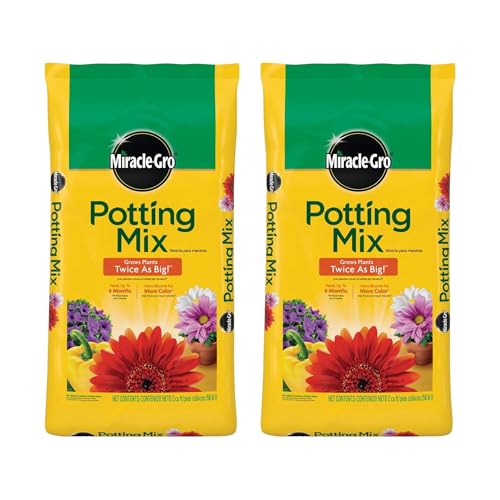
BIGGER PLANTS: Watch your container plants flourish with this potting soil that feed for up to 6 months to grow plants twice as big versus unfed plants
Protecting Young and Potted Olive Trees
Several steps are essential when protecting young and potted olive trees in spring to guarantee their survival and healthy growth. Protecting them from frost is critical; temperatures below 25°F can damage tender new shoots, so frost covers or moving potted trees indoors or to sheltered spots is advised. Moisture management is equally important—ensure pots have drainage holes and check soil moisture every few days to avoid over- or underwatering as temperatures rise. Applying 2 to 3 inches of mulch around the base conserves moisture and stabilizes soil temperature, protecting roots from fluctuations. Fertilizer with low nitrogen in early spring encourages focused growth without excessive leaf development. These careful actions promote strong growth and prepare young trees for upcoming flowering and fruiting seasons effectively. For added decorative appeal indoors, consider complementing your olive tree care with olive wreaths that reflect a Mediterranean-inspired aesthetic.
Planning Pollination for Better Yields
Although olive trees can self-pollinate to some extent, cross-pollination usually results in better fruit yields. Planting at least two compatible varieties nearby improves pollination by increasing genetic diversity among flowers. Pollination happens through wind and insect activity, especially bees, which are most active when temperatures range between 68°F and 86°F. Warm, dry weather enhances flower development and receptivity. Fertilization timed just before flowering boosts flower viability, raising fertilization success rates. Regularly monitor flower development and insect presence during spring to spot any pollination issues early. If insect activity is low, consider introducing additional pollinators. These deliberate steps encourage more olives per branch, ultimately improving yields. Following this plan helps maintain healthy olive trees and maximizes fruit production season after season.
Frequently Asked Questions
How to Bring an Olive Tree Back to Life After Winter?
Olive tree revival after winter requires careful pruning techniques, adjusting the watering schedule, improving soil conditions, applying balanced fertilizer, and implementing pest prevention measures. Effective winter care guarantees healthy growth and a robust recovery for the tree.
What Is the Dormancy Period of an Olive Tree?
The olive tree dormancy duration spans late fall to early spring, characterized by halted olive tree growth. Climate effects and ideal temperatures below 12°C slow metabolic activity, requiring winter care and rejuvenation techniques to guarantee healthy revival.
Should I Cut Dead Branches off an Olive Tree?
Cutting dead branches off an olive tree is essential. Proper pruning methods improve branch health, stimulate growth, and prevent disease. Seasonal trimming done at the proper timing guarantees ideal olive tree care and minimizes pest infestations.
Do Olive Trees Lose Their Leaves in Spring?
Like a quiet whisper, leaf dropping in olive trees during spring is minimal, linked to seasonal changes. New spring foliage signals foliage regeneration; attentive olive tree care guarantees tree health despite environmental factors influencing minor leaf loss.


