As an Amazon Associate, we earn from qualifying purchases. Some links on this site are affiliate links at no extra cost to you. Our recommendations are based on thorough research and editorial judgment.


Preparing Olive Trees for Winter: Frost Protection Methods

Olive trees tolerate cold down to 26°F (-3°C), with some varieties like Toscana enduring short frosts near 14°F. Position trees facing south or west, shielded from cold winds, and plant in well-drained soil. Wrap the tree and pot with breathable fleece from December through February, ensuring secure coverage and airflow. Mulch 2–4 inches around the base, staying 3 inches from the trunk to protect roots. Watch for fungal diseases and prune before winter. Following these steps helps safeguard trees; more detailed tips follow.
Key Takeaways
- Position olive trees in sheltered, south- or west-facing spots away from cold northerly and easterly winds.
- Wrap trees with breathable horticultural fleece from top to ground during December to February to retain heat and protect from frost.
- Move potted olive trees indoors or near south-facing walls and insulate pots with fleece during freezing temperatures.
- Apply 2-4 inches of organic mulch around the base, keeping it 3-4 inches away from the trunk to protect roots and prevent rot.
- Inspect and prune trees before winter to prevent fungal diseases, applying fungicides promptly if eye spot or leaf spot appears.
Understanding Olive Tree Hardiness
Cold tolerance is a key factor when preparing olive trees for winter. Olive trees are not cold hardy enough to survive extended freezes below about 26°F (-3°C) without damage. Some varieties like Toscana and Leccino handle short frosts down to -10°C (14°F), while mature trees might tolerate -12°C (10°F). Gardeners must know their olive variety’s cold threshold to provide proper frost protection. When temperatures dip near these limits, protective measures become necessary. For example, using frost cloths or windbreaks can limit frost exposure. Also, avoid prolonged exposure to freezing temperatures, which causes tissue damage. Understanding whether an olive tree is hardy enough for your climate guides how and when to apply frost protection methods effectively to keep your trees healthy throughout winter. Varieties such as the Flowing Well Arbequina, known for its cold hardiness down to 15°F, are excellent options for growers in cooler zones.
Recommended Products

Stylish Distressed Planters: The round planters for outdoor plants is perfect for showing off your green plants and colorful flowers. Its distressed finish reveals a mixture of tan, white, and gray accents further highlighted by the ribbed design.

Measurements: Weight - 21oz; cut size – 10ft by 12ft; finish size – 9ft 6in by 11ft 6in
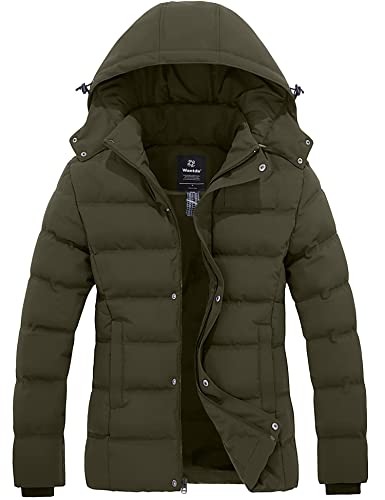
Recycled Fabric - The winter jacket for women is made with renewable fabric and filling. With a 10,000mm waterproof rating, the women's winter coat keeps you dry in the rain or warm in snowy weather at all times
Positioning Olive Trees Away From Harsh Elements

Wind protection and sunlight are critical factors when positioning olive trees for winter. Ideally, position olive trees in a sheltered spot facing south or west to maximize sunlight and reduce exposure to cold northerly and easterly winds. These protective measures help prevent bark splitting and leaf drop caused by harsh gusts. For older trees with trunks wider than 20 cm, correct placement is especially important to avoid winter cold damage. It is best to plant trees in well-drained soil to prevent root damage from waterlogging. Adding natural wind barriers like hedges or walls can improve microclimate conditions further. Thoughtful positioning olive trees away from harsh elements guarantees better health and resilience during cold spells without needing extra coverings at every frost event. Additionally, selecting olive tree varieties suited for your local climate ensures better winter survival and overall hardiness. Choosing the Ideal Variety
Recommended Products

High-quality workmanship
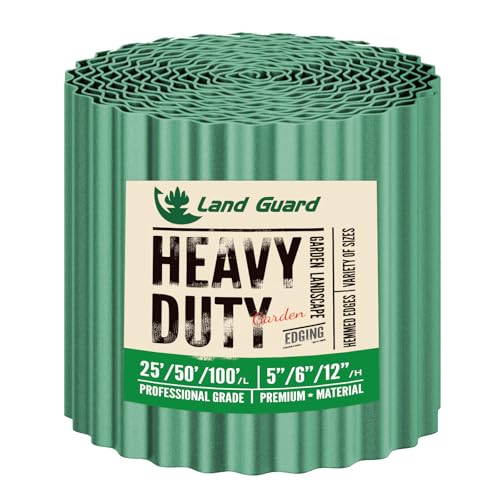
Quality Metal Material: Our galvanized garden edge is processed using high-precision CNC technology, ensuring accuracy down to every millimeter. Innovative 3D ripple design not only enhances the aesthetic appeal of the fence but also strengthens its structural integrity.

Equipped with an Expander Panel System that offers 5 to 10 inches of extra space; when not in use, it acts as an extra thick zip baffle to keep out drafts
Effective Use of Fleece for Winter Protection

A good layer of horticultural fleece can make a big difference in protecting olive trees from frost damage during winter. When applying fleece, wrap it around the tree from top to ground on cold nights to shield buds and branches from freezing temperatures. Measure the tree’s diameter to choose the right fleece size, then secure it with string to prevent wind from dislodging it. This method works best between December and February, trapping warm air to create a cozy microclimate. Potted olive trees also benefit from fleece; wrapping the pot and tree adds extra insulation. It’s important to check regularly under the fleece for mold or moisture buildup to keep the tree healthy. Proper fleece use provides reliable frost protection for both planted and potted olive trees. For long-lasting protection, selecting a fleece made from breathable, non-woven fabric helps maintain airflow while retaining heat.
Recommended Products

GARDENIX WINTER FLEECE: designed to protect against frost. Are the best and quick solutions for plant protection during winter, they stabilize the temperature which protects plants against exposition to rapidly changing weather conditions.

Easy to Use: Drape the frost blanket over plants and secure with soil, stones, stakes, or pegs. Pair with garden hoops for more space. Need a specific size? Easily cut to fit any shape or size.

Plant Cover Freeze Protection Kit: Our plant cover sets are available in two sizes for different sizes of plants, shrubs, and pots in the winter outdoors,These two sizes are 32''×39'' and 47''×71''' respectively, each size have 2 packs.Suitable for different sizes, plants and shapes of plants in winter to protect them from the cold caused by snow, frost, hail and high winds.
Strategies for Overwintering Potted Olive Trees

Many potted olive trees require moving indoors or into a greenhouse when night temperatures dip below 32°F (0°C). This prevents frost damage that can harm leaves and branches. Place potted plants against a south-facing wall to capture sunlight and shelter them from cold northeast winds during harsh winter days. Elevate pots using feet or bricks to improve drainage and avoid waterlogged roots, which are vulnerable in cold conditions. Check soil moisture regularly but avoid overwatering since roots can freeze if the soil stays soggy. During particularly freezing temperatures, wrapping pots with horticultural fleece or plant jackets adds an extra insulation layer against chilling winds. Ascertain these protective measures allow some light access so the trees continue photosynthesis without risking root ball freezing inside the container. These steps effectively prepare potted olive trees for winter challenges. For added garden symmetry and protection, consider pairing olive trees with stable wide bases to prevent tipping and provide balanced visual appeal.
Recommended Products

Bundle Includes - 3 Red and 3 Green Kozy Coats

Large Plant Covers Freeze Protection: 95" x 86"/241 x 218cm Large size winter cover provides full coverage, Frost cloth help to winterise potted plants, garden flowers and trees; Frost cloths for outdoor plants providing reliable protection for plants through the long winter months.

PLANTS PROTECTION: Our plant protection protects outdoor plants from cold and bad weather such as wind, frost, snow and rain. Meanwhile, they create a microclimate allowing air, light and water to pass through, thus avoiding the dehydration of the twigs, the bursting of the branches and the asphyxiation of the roots while allowing the development of buds and young shoots when Spring returns.
Mulching Techniques to Protect Roots in Winter

Start by applying a 2 to 4 inch layer of organic mulch around the base of olive trees planted in the ground. This layer insulates the soil and helps prevent root freezing during cold spells. Keep the mulch about 3 to 4 inches away from the trunk to avoid moisture buildup, which can cause rot, but still cover enough ground to maintain warmth. Organic mulch also retains soil moisture and gradually enriches the soil as it breaks down. For container-grown olive trees, pack mulch tightly around the root zone inside the pots to hold heat and moisture during winter. Check the mulch layer regularly throughout cold months, adjusting as needed to maintain a consistent 2 to 4 inch depth. This simple mulching method effectively protects olive roots against damaging frost. Additionally, choosing olive tree varieties that thrive in USDA Zones 8-10 enhances winter survival chances.
Recommended Products

🌸 self-pollinating Olive tree comes with planting guide and 1yr. Supply of olive tree food
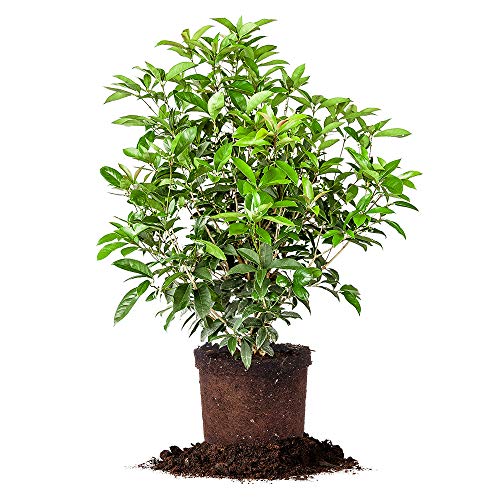
🍋Live 7 gallon Tea Olive comes with easy to use plant food and bloom every Spring through summer months with southern sweet-tea fragrant flowers — the electrifying, natural aroma fills the entire landscape!

🌿 live 3-4ft Olive tree comes with easy to use plant food and produces edible olives within the first year of planting!
Monitoring and Managing Disease Risks Before Winter
Disease inspection is essential before winter sets in, especially to catch issues early when the trees prepare for dormancy. Monitoring for disease risks involves checking olive trees for eye spot and leaf spot diseases. Eye spot causes yellow-brown spots and thrives at 10-12°C with wet leaves, so spotting it before covering is critical. Leaf spot shows brown-black spots during damp conditions and can spread quickly under frost protection. Regularly inspecting under coverings for mold helps prevent moisture buildup that harms the olive tree in winter. If fungal diseases appear, applying fungicides promptly reduces damage and supports healthy spring growth. Staying vigilant with disease monitoring and treatment improves winter survival and overall tree health without complicating the frost protection process. In addition, maintaining proper air circulation by pruning before winter can reduce fungal disease risks and enhance overall tree health during cold months, as recommended in pruning basics.
Frequently Asked Questions
How to Protect Olive Trees From Frost?
Like a cozy blanket, covering olive trees with horticultural fleece enhances heat retention and provides tree insulation, effectively preventing frost damage. Positioning trees strategically and mulching roots further protects against freezing temperatures during winter’s chill.
When Should I Wrap My Olive Tree?
Wrapping olive trees should begin in December and continue through February, considering local winter climate and specific olive varieties. Proper timing guarantees effective tree maintenance, protecting branches and buds from frost and cold damage during the coldest months.
What Is the Coldest Temperature an Olive Tree Can Tolerate?
Olive tree varieties differ in winter survival, with mature trees tolerating temperatures down to -12°C (10°F). Hardier cultivars like Toscana withstand short frosts near -10°C (14°F), while young trees suffer damage below -5.5°C (22°F). Temperature ranges matter.
How to Take Care of an Olive Tree in the Winter?
Olive trees enter dormancy below 10°C, requiring minimal winter watering to prevent root rot. Ensuring soil insulation with mulch stabilizes temperature fluctuations, supporting root health and successful dormancy, essential for their survival through cold periods.


