As an Amazon Associate, we earn from qualifying purchases. Some links on this site are affiliate links at no extra cost to you. Our recommendations are based on thorough research and editorial judgment.


When and Why to Prune Olive Trees Throughout the Year

Olive trees should be pruned mainly from January to May, ideally after harvest and during dormant periods to reduce disease risk. Use sharp tools, cutting at 45-degree angles and disinfecting with a 10% bleach solution. Remove dead wood and thin branches to improve airflow and sunlight exposure. Avoid pruning in rainy months or when temperatures fall below 40°F to prevent sap loss. This timing and technique enhance growth and fruit quality. More guidance helps optimize yearly care.
Key Takeaways
- Prune olive trees during the dormant period from January to May, ideally post-harvest, to reduce disease risk and encourage healthy growth.
- Avoid pruning in rainy months to prevent mold, mildew, and bacterial infections on fresh cuts.
- Use thinning and vase pruning techniques to improve airflow, sunlight penetration, and fruit production throughout the year.
- Remove dead, damaged, or crossing branches annually to maintain tree health and structure.
- Disinfect pruning tools before use and apply copper-based fungicide after cuts to promote healing and prevent infections.
Optimal Timing for Olive Tree Pruning
When it comes to pruning olive trees, timing is everything to guarantee healthy growth and a good harvest. The best time to prune is during the dormant period, ideally from January to May, before blooming begins. This timing reduces stress and helps the tree recover more quickly. It’s essential to prune after the harvest to avoid disease risks. Late winter or early spring works best, especially after the first flowers appear. Pruning during rainy months should be avoided since damp conditions can lead to mold and mildew on fresh cuts. For younger trees, starting around four years old, removing about one-third of new growth encourages bushier, healthier development. Monitoring the first inflorescences helps decide precisely when to start pruning, ensuring cuts occur before frost threatens the tree. Pruning at temperatures between 40-60°F is ideal to minimize sap loss and tree stress during the dormant stage, according to pruning timing guidelines.
Pruning Techniques for Olive Tree Health

Mastering proper pruning techniques is essential to keep olive trees healthy and productive. To prune olive trees effectively, begin with head cuts to manage vertical growth, cutting just above a bud at a 45-degree angle to prevent water buildup. Employ thinning cuts to improve airflow and sunlight by removing smaller branches from the interior. Vase pruning is useful to create an open canopy that supports lateral fruit development. Always eliminate dead or damaged limbs to promote healthy growth. The ideal shape resembles an open goblet, balancing structure and fruit yield. Clean and disinfect pruning tools with a 10% bleach solution before and after use to prevent bacteria spread. Avoid flush cuts, which damage the tree, and maintain cuts about ¼ inch from the branch collar for proper healing. Applying nutrients with the appropriate NPK ratio further supports vigorous growth and fruit production.
Recommended Products

【UP TO 45mm CUTTING DIAMETER】- SWANSOFT-8612 electric tree trimmer blades can easily cut through branches up to 45mm thick without causing damage. The blades of this battery pruning shears are forged from Swiss SK5 high-carbon steel, which is sharp and resistant to wear and tear. Flat and fast pruning like cutting butter easily

【Designed for Orchard, Vineyard & Large Backyard Trees】Built for real pruning work across orchards and residential landscapes, Kebtek KT 9035 battery operated pruners easily cut apple, peach, olive trees, and grapevines up to 35mm (1.38 inch). Also suitable for common American yard trees such as oak, maple (sugar & red maple), pecan, eucalyptus, and palm trees, making it a versatile solution for both fruit farms and home gardens.

TaskStar 2-in-1 Electric Pruner: Effortlessly switch between handheld and pole mode, offering flexible pruning for a variety of tasks; Trim low shrubs with precision or extend the pole to easily reach high branches—one tool, limitless possibilities
Seasonal Pruning Strategies and Tree Growth

Although pruning can be done throughout the year, the best time to prune olive trees is late winter to early spring, usually from January to May, before blooming starts. This timing helps reduce frost damage and promotes healthy new growth. Olive tree pruning during this period encourages better airflow and sunlight penetration, which is essential for tree health. Avoid pruning during rainy seasons since wet conditions increase mold and mildew risks. For young trees, shape by removing no more than one-third of the growth to maintain vigor and encourage bushiness. Seasonal pruning strategies require monitoring the tree’s response after cuts to optimize future productivity. Overall, managing pruning based on seasonal growth patterns guarantees olive trees remain strong and ready for fruitful seasons ahead. It is important to limit pruning to 10-15% of the canopy annually to maintain tree health and productivity.
Recommended Products

🔪 [Ultra-Sharp SK5 Blade & Dual Cutting Diameter] Premium SK5 steel blade delivers clean, precise cuts up to 1.6" (4cm) for thick branches and 1.2" (3cm) for delicate stems. Perfect for versatile pruning in orchards and gardens.

【Professional Powerful Power】Cordless pruning shears feature a 980W brushless motor and sk5 carbon steel blades for effortless cutting of branches up to 3 inches (78mm). The LED display shows cuts made and battery level, helping you monitor efficiency.

7 ft. Pruner with a 3/4" cutting capacity
Managing Olive Tree Canopy and Fruit Production

Proper canopy management directly affects olive tree health and fruit production. The best time to prune is post-harvest, usually from January to May, when the tree is dormant and less prone to disease. Thinning cuts reduce canopy density by removing branches less than ½ inch thick. This improves airflow and allows sunlight to reach inner branches, where olives develop. Aim to shape the tree into an open goblet form. This structure maximizes sunlight exposure and makes harvesting easier. Regular pruning maintains this shape and encourages growth before flowering. Consistently evaluating the canopy and making selective cuts promotes better fruit production and healthier trees. Following these steps during the right time to prune guarantees higher olive yields and improves overall tree wellbeing for future seasons. Additionally, maintaining an appropriate tree size and ensuring balanced height and fullness aids in achieving optimal growth and fruit quality.
Recommended Products
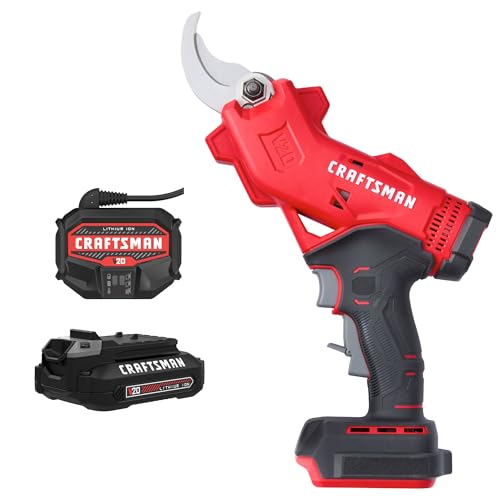
Powerful, cordless convenience: designed to deliver dependable performance

Telescopes from 6' to 10', 1/2" cutting capacity

Replaces manual lopper with the pull of a trigger
Tools and Best Practices for Safe Pruning

Several essential tools are required for safe and effective pruning of olive trees. Sharp loppers and pruning shears are used to make clean cuts, generally ¼ inch above buds or branches. Clean tools prevent tearing and damage. After daily use, disinfect tools with a 70% isopropyl alcohol solution to avoid spreading diseases. When pruning olive trees, cuts should be made at a 45-degree angle to prevent water from sitting on wound surfaces. This reduces risks of mold and mildew. Pruning is best done during the dormant period in late winter or early spring. Following cuts, applying a copper-based fungicide solution helps wounds heal and adds disease protection. These best practices support healthy regrowth and guarantee safe pruning olive trees year-round. For home growers, choosing the right olive tree variety—such as a dwarf olive tree—can make maintenance and pruning more manageable in smaller spaces.
Recommended Products


High quality bypass lopping shear with exchangeable cutting head for cutting fresh greenery - efficient working due to anti-stick coated blade

Replaces manual pruner with the pull of a trigger
Long-Term Benefits of Consistent Pruning
When olive trees are pruned consistently each year, they benefit from better air circulation and sunlight reaching inner branches. Consistent yearly pruning improves fruit production and promotes a healthier tree structure. It encourages new growth, which boosts olive yields in future seasons. Managing tree height and shape through pruning also makes harvesting easier and lowers labor costs. A multi-year pruning plan helps control alternate bearing, leading to more reliable fruit sets. Additionally, well-maintained trees resist pests and diseases better, supporting a sustainable orchard. For best results, prune branches to keep a 30-40% canopy open, and trim back shoots by 15-20 centimeters in late winter at temperatures around 10-15°C. This approach guarantees long-term health and productivity for olive trees. Utilizing automated watering systems in combination with pruning can help maintain optimal moisture levels, enhancing overall tree vitality and fruit quality.
Frequently Asked Questions
What Month Do You Prune Olive Trees?
Olive trees are typically pruned between January and May, employing pruning techniques that enhance air circulation and sunlight exposure. This timing avoids frost damage and promotes healthy growth, fruit production, and reduces disease risk effectively.
When Not to Prune Olive Trees?
Pruning techniques advise against trimming olive trees during blooming, winter, frost, rainy seasons, or when pest and disease signs appear. Avoid cutting more than one-third of the canopy to prevent stress and damage.
What Are the Mistakes for Pruning Olive Trees in the Winter?
Winter pruning mistakes include cutting during frost risk, causing damage and bleeding. Over-pruning stresses the tree, while neglecting tool sterilization spreads bacteria. Moist winter conditions encourage mold, making disease transmission a silent, dangerous consequence of improper care.
What Is the Correct Way to Prune an Olive Tree?
The correct way to prune an olive tree involves pruning techniques that remove dead or damaged branches, maintain an open canopy, use sharp tools for angled cuts, and apply treatments to promote healing, ensuring healthy growth and improved fruit yield.


