As an Amazon Associate, we earn from qualifying purchases. Some links on this site are affiliate links at no extra cost to you. Our recommendations are based on thorough research and editorial judgment.


Removing Dead and Diseased Wood From Olive Trees

Removing dead and diseased wood from olive trees helps prevent pests and disease spread. Use sterilized secateurs for branches under ¾ inch and saws for thicker limbs. Cut just outside the branch collar at a slight angle to protect the tree’s natural barriers. Prune in late winter or early spring before active growth to boost health and fruit production. Removing dry, brittle, or darkened branches improves air flow and sunlight access. For further details on pruning techniques, keep exploring the topic.
Key Takeaways
- Remove dead and diseased olive tree branches using sharp, sterilized tools to prevent pest and disease spread.
- Identify dead wood by dryness and brittleness; diseased wood shows dark patches and wilting leaves.
- Prune just outside the branch collar to protect natural defense barriers of the olive tree.
- Conduct pruning mainly in late winter to early spring to reduce disease risks and promote healthy growth.
- Regularly inspect the tree to detect and promptly remove dead and diseased branches for sustained vitality.
Importance of Removing Dead and Diseased Wood
Although olive trees are hardy, removing dead and diseased wood is vital to keep them healthy. Dead wood can harbor pests and diseases that spread quickly if left unchecked. Pruning in summer helps remove these branches, improving air circulation and allowing sunlight to penetrate the canopy. This balance is fundamental because better airflow and light stimulate growth and enhance fruit production. To prune effectively, cut dead branches back to healthy tissue using clean, sharp tools sterilized with rubbing alcohol. Pruning branches about ¼ to ½ inch above a bud or junction encourages new shoots. Regularly inspecting and removing dead wood also prevents disease spread and supports the tree’s overall vigor. These practices guarantee the olive tree remains productive and robust through each growing season. It is important to follow selective pruning techniques to encourage light and airflow without stressing the tree.
Identifying Dead and Diseased Branches in Olive Trees

Start by carefully examining each olive tree branch for signs that it is dead or diseased. Dead branches appear dry, brittle, and have no leaves, indicating no nutrient flow. Diseased branches often show dark or blackened patches from infections like olive knot or fungal diseases. Look closely for lesions, holes, or wilting leaves that signal pest damage or disease. During pruning, always cut just outside the branch collar to protect the tree’s natural barrier and promote healing. Use sterilized tools to prevent spreading pathogens. Removing dead and diseased wood improves air circulation and reduces infection risks. Regular inspections every few weeks help catch problems early. This careful approach to identifying problematic branches directly supports the olive tree’s overall health and longevity. Additionally, maintaining a regular pruning schedule helps ensure that dead and diseased wood is consistently removed to promote healthy growth.
Recommended Products

【UP TO 45mm CUTTING DIAMETER】- SWANSOFT-8612 electric tree trimmer blades can easily cut through branches up to 45mm thick without causing damage. The blades of this battery pruning shears are forged from Swiss SK5 high-carbon steel, which is sharp and resistant to wear and tear. Flat and fast pruning like cutting butter easily

【Designed for Orchard, Vineyard & Large Backyard Trees】Built for real pruning work across orchards and residential landscapes, Kebtek KT 9035 battery operated pruners easily cut apple, peach, olive trees, and grapevines up to 35mm (1.38 inch). Also suitable for common American yard trees such as oak, maple (sugar & red maple), pecan, eucalyptus, and palm trees, making it a versatile solution for both fruit farms and home gardens.

This tree pruning kit includes everything you need to get the job done in one convenient package
Best Timing for Pruning Olive Trees

After removing dead and diseased branches, knowing when to prune is just as important. The best timing for pruning olive trees is late winter to early spring, just before new growth starts. This period minimizes risks of disease and pest infestations while providing clear visibility of the branches. It’s essential to remove dead wood carefully during this time, especially on old trees where decay is common. Avoid pruning during full bloom since cutting then damages flowers and can reduce fruit yield. After bud break, pruning is useful to assess flower counts and decide if further removal is needed. Generally, pruning intervals should not exceed three to four years to maintain tree health and productivity. Timely pruning guarantees the olive tree stays vigorous and fruitful year after year. Additionally, maintaining the right soil requirements with well-draining sandy loam and appropriate pH helps support healthy growth after pruning.
Recommended Products

TaskStar 2-in-1 Electric Pruner: Effortlessly switch between handheld and pole mode, offering flexible pruning for a variety of tasks; Trim low shrubs with precision or extend the pole to easily reach high branches—one tool, limitless possibilities

【Professional Powerful Power】Cordless pruning shears feature a 980W brushless motor and sk5 carbon steel blades for effortless cutting of branches up to 3 inches (78mm). The LED display shows cuts made and battery level, helping you monitor efficiency.

7 ft. Pruner with a 3/4" cutting capacity
Essential Tools for Safe and Effective Pruning

When pruning olive trees, having the right tools makes all the difference. To prune olive trees effectively, secateurs should be used for branches smaller than ¾ inch, loppers for branches up to 2 inches, and pruning saws for anything thicker. These pruning tools must be sharp and clean to guarantee clean cuts, which promote faster healing and reduce disease risk. Wearing gloves and safety glasses is important for protection from sharp blades and falling debris. For mature olive trees, precise cutting at a slight angle prevents water buildup on the wound, which helps avoid rot. Regular use of properly maintained pruning tools also improves air circulation and sunlight exposure inside the canopy, boosting overall tree health and fruit production. Choosing pruning shears with an ergonomic design can significantly reduce hand fatigue during extended pruning sessions.
Recommended Products
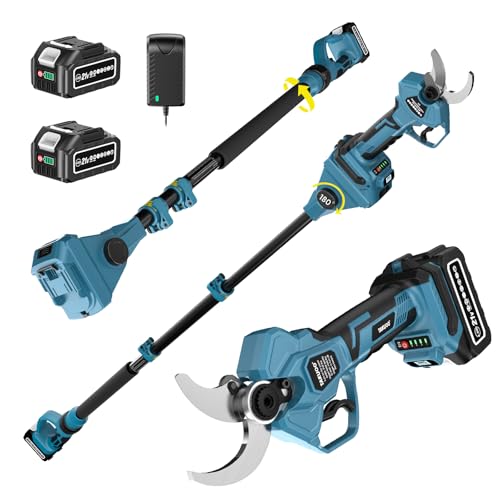
[8.2FT Telescopic Pole for High Reach Pruning] This cordless pole pruner extends from 5ft to 8.2ft, allowing you to trim tall tree branches safely from the ground. The 180-degree rotational head and adjustable angle ensure precision cutting even in tight or awkward spaces without the need for a ladder.

Replaces manual lopper with the pull of a trigger

Telescopes from 6' to 10', 1/2" cutting capacity
Proper Pruning Techniques to Promote Tree Health

Proper pruning techniques are essential for maintaining olive tree health and productivity. Begin by removing all dead and diseased wood with sharp tools to make clean cuts, which helps wounds heal faster and reduces infection risk. Prune during late winter to early spring, before the tree is actively growing. This timing supports new shoot development and limits disease exposure. Thin crowded branches and eliminate crossing limbs to improve air circulation and sunlight penetration across the canopy. Use pruning shears for branches under ½ inch thick and a pruning saw for thicker limbs. Always monitor the tree afterward to guarantee healthy growth returns. These practices collectively promote tree health, helping the olive tree stay vigorous while reducing the effects of pests and disease spreading through decayed wood. Additionally, careful arrangement of lifelike leaves after pruning can enhance the tree’s natural appearance and overall vitality.
Recommended Products

Powerful 2.2" Cutting Capacity: Featuring a large 2.2-inch cutting diameter, SEESII electric pruning shears can easily handle thick branches on trees, shrubs, and garden...
Preventing Disease and Pest Infestation Post-Pruning
Keeping the area around an olive tree clean after pruning helps reduce pest and disease problems. Remove all cut branches and leaves promptly, as they can harbor pests like olive flies and foster fungal diseases. Pruning during the dormant season is best since pests are less active then. Always disinfect pruning tools using a solution of 70% isopropyl alcohol or a 10% bleach mix before and after use to prevent spreading disease between trees. After pruning, inspect the tree every two weeks for any signs of pests or disease, such as discoloration or unusual leaf damage. Avoid excessive pruning, as it stresses the tree and increases vulnerability to infestations. Maintaining proper garden hygiene is key—simple cleanup routines protect your olive tree effectively against common post-pruning threats. Additionally, applying an organic fungicide post-pruning can help prevent fungal infections and promote tree health.
Recommended Products

DEFENDS YOUR PLANTS - Monterey 70% Neem Oil controls black spot, powdery mildew, rust, needle rust, downy mildew, twig & twip blight, anthracnose, scab and flower, botrytis, alternaria, and other fungal diseases.
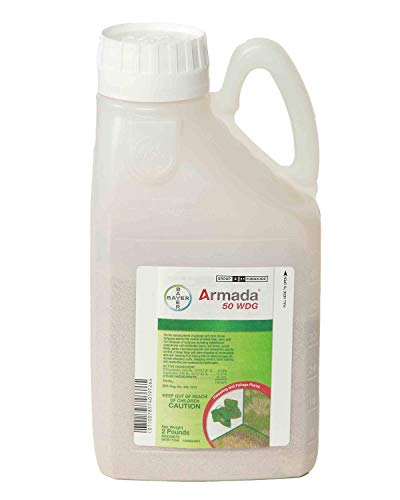
Not for sale & Ship to: AK , ND , NY , PR

LISTED INSECT KILLER: 12 Month Tree & Shrub Insect Control kills Japanese Beetles (adult), Emerald Ash Borers, Adelgids, Leafminers, Aphids, and other listed insects that damage trees and shrubs
Aftercare Tips to Support Recovery and Growth
Supporting an olive tree’s recovery after pruning requires careful attention to watering and soil care. When olive trees are pruned, the area should be monitored for recovery weekly, focusing on visible new growth as a health indicator. Water the tree deeply once a week, providing about 5 gallons, especially during dry spells when temperatures range from 70°F to 85°F. Apply mulch evenly around the base, about 3 inches thick, to maintain soil moisture and regulate temperature. Fertile soils enriched with organic compost encourage faster regeneration of healthy branches. Avoid disturbing remaining healthy parts to prevent stress. Keep the area clean by removing fallen debris promptly to reduce pests and disease risks. Following these aftercare tips supports strong new growth and helps olive trees regain vigor efficiently. Additionally, ensuring the use of well-drained soil with proper drainage is critical to prevent root rot and promote healthy recovery.
Frequently Asked Questions
Should I Cut Dead Branches off an Olive Tree?
Cutting dead branches off an olive tree is crucial. Branch pruning supports tree health, stimulates growth, and enhances olive maintenance. Removing dead wood prevents disease spread, improves air circulation, and promotes overall vigor in the tree’s development cycle.
How to Treat a Diseased Olive Tree?
To treat a diseased olive tree, identify olive tree symptoms promptly, apply appropriate fungal infections treatment, utilize effective pruning techniques to enhance airflow, and implement proper soil management with well-drained conditions and balanced fertilization to support recovery.
How to Revive a Dying Olive Tree?
Reviving a dying olive tree involves correct pruning techniques to encourage growth, improving soil health through nutrients, adopting consistent watering practices, and implementing pest management to reduce infestations, ultimately supporting robust recovery and flourishing.
Should You Remove Dead Branches From a Tree?
Removing dead branches is crucial in olive tree care, as proper pruning techniques enhance branch health, prevent disease, and improve tree cultivation outcomes. This promotes vigorous growth and maintains overall tree vigor in cultivation practices.


