As an Amazon Associate, we earn from qualifying purchases. Some links on this site are affiliate links at no extra cost to you. Our recommendations are based on thorough research and editorial judgment.


Signs of Cold Damage on Olive Trees and Recovery Tips

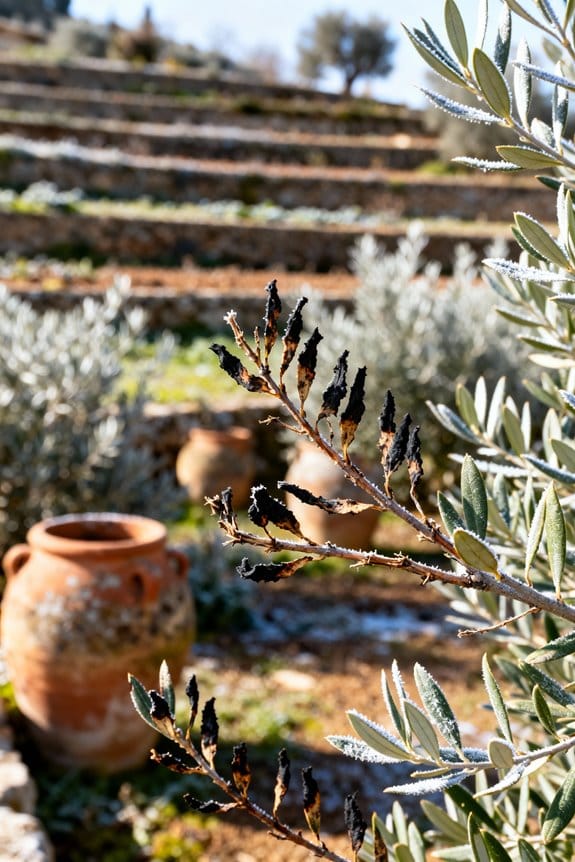
Olive trees show frost damage when temperatures drop below -6°C, with brown, curled leaves and bark cracking after prolonged exposure under -1.7°C. Varieties like Alfafarenca resist better, but Picual and Arbequina suffer more. Avoid pruning immediately after frost; wait until late April to cut dead branches. Reduce irrigation in early fall, then apply balanced fertilizer after April 1 to support recovery. Proper care after frost can help trees regain strength. More tips on managing frost effects follow.
Key Takeaways
- Brown, wrinkled, and curling leaves with leaf drop are primary signs of cold damage on olive trees.
- Frost damage becomes visible at temperatures between -6 to -7°C, with severe damage below -10°C affecting buds and fruit.
- Avoid immediate pruning after frost; wait until late April and remove only dead or necrotic branches to promote healthy regrowth.
- Reduce irrigation before cold season to harden trees; resume balanced fertilization after April 1 for nutrient support during recovery.
- Monitor weather closely to implement timely frost protection and assess trees regularly for early symptoms of cold injury.
Common Signs of Frost Damage on Olive Trees
When olive trees face frost, the first signs are often brown leaves and leaf drop. Frost damage usually becomes visible when temperatures reach between -6 to -7°C. Leaves may also wrinkle, showing cold stress especially near 0°C. These “frightened” olives curl and exhibit discoloration. Prolonged exposure to temperatures below 29ºF (about -1.7°C) can cause more serious damage such as bark cracking and tissue necrosis. Identifying frost damage early is vital since symptoms like leaf curling and bark lesions can resemble diseases like Verticillium wilt. Olive trees showing these signs should be monitored until late spring, when new growth reveals recovery potential. Understanding these common signs helps manage frost damage effectively, protecting the tree from long-term harm. Additionally, adjusting pruning practices in late winter can improve tree resilience and recovery after cold damage.
How Different Olive Varieties Respond to Frost

Although cold temperatures can threaten all olive trees, frost resistance varies greatly among different varieties. The Alfafarenca variety shows the highest resistance, while Picual and Arbequina display moderate tolerance to cold. When temperatures fall near 0°C, buds may burn, and fruit can wrinkle slightly. Severe frost below -10°C causes extensive damage, including fruit wrinkling like raisins, and may kill trees. Short exposures around -5°C usually don’t harm the trees, but repeated or prolonged cold increases damage risk. The timeline and duration of frost exposure matter considerably. Knowing each variety’s resilience helps predict damage and plan recovery. For example, Alfafarenca can withstand colder snaps better than Picual, supporting smart orchard management and frost protection strategies. Additionally, applying organic fertilizers with essential micronutrients before the cold season can improve trees’ resilience and recovery from frost damage.
Impact of Climate on Frost Damage in Olive Orchards

Cold weather patterns have a direct effect on frost damage in olive orchards. A sudden cold snap, especially if temperatures plunge below -10°C, can cause severe freeze damage, sometimes killing trees outright. Prolonged exposure matters too—around 20 hours below freezing dramatically raises the risk of frost injury. In climates like Alicante’s mountains, cold winters and hot summers create a challenging balance. While cold assists dormancy, it also increases freeze damage chances if not managed properly. Olive varieties such as Picual and Arbequina show symptoms like bud burning after these cold snaps. Understanding climate impacts helps protect trees. For example, monitoring forecasted cold snaps allows timely frost mitigation steps, reducing long-term damage and preserving harvest quality. Proper soil aeration and nutrient balance also improve tree resilience against cold stress.
Timing and Effects of Pruning After Frost Events
How soon should pruning begin after frost hits olive trees? Pruning olive trees is best done in late April, once cold weather subsides. Immediate pruning after frost is not recommended because bark damage might not be visible. Waiting until vegetation starts growing helps assess branch importance. If bark integrity is compromised, avoid cutting until signs of recovery appear. Pruning in May focuses on removing dead or necrosed wood, targeting sections that show signs of life. This approach reduces stress on the tree and supports the development of adventitious buds. After severe frost damage, carefully evaluate main branches before deciding to restructure or remove them. Delaying pruning until late spring promotes healthier regrowth and better fruit production, making it a key step in olive tree recovery. Additionally, maintaining olive trees with proper sun exposure during the growing season can improve their resilience to frost damage.
Recommended Products

【UP TO 45mm CUTTING DIAMETER】- SWANSOFT-8612 electric tree trimmer blades can easily cut through branches up to 45mm thick without causing damage. The blades of this battery pruning shears are forged from Swiss SK5 high-carbon steel, which is sharp and resistant to wear and tear. Flat and fast pruning like cutting butter easily

【Designed for Orchard, Vineyard & Large Backyard Trees】Built for real pruning work across orchards and residential landscapes, Kebtek KT 9035 battery operated pruners easily cut apple, peach, olive trees, and grapevines up to 35mm (1.38 inch). Also suitable for common American yard trees such as oak, maple (sugar & red maple), pecan, eucalyptus, and palm trees, making it a versatile solution for both fruit farms and home gardens.

Telescopes from 6' to 10', 1/2" cutting capacity
Preventative Measures to Protect Olive Trees From Frost

When frost is predicted, applying leaf fertilizers and copper sprays can greatly boost olive trees’ frost resistance. Leaf fertilizers provide essential nutrients that strengthen cell walls, while copper sprays help prevent fungal infections often worsened by cold stress. To protect olive tree trunks damaged by freezing, cover young or vulnerable trees with burlap or frost cloth before temperatures drop below 28°F (-2°C). Maintain soil moisture at field capacity, avoiding overwatering since excess water can intensify frost damage and cause more leaf drop. Prune the trees in late April during dormancy to encourage healthy regrowth after mild frost events. Finally, try to promote a frost-free spring and allow cold dormancy at correct levels to prepare the tree for seasonal changes without harm. For indoor protection, consider using artificial olive trees as decorative alternatives to avoid frost-related damage.
Recommended Products

Measurements: Weight - 21oz; cut size – 10ft by 12ft; finish size – 9ft 6in by 11ft 6in
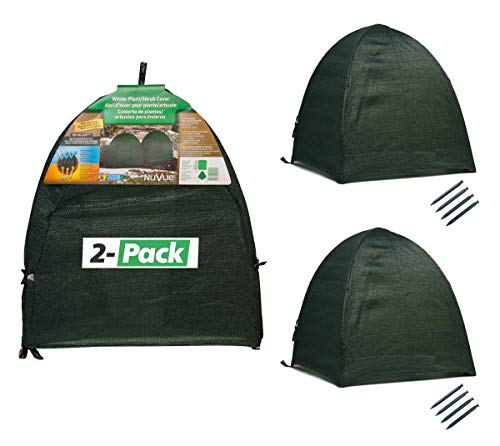
PACK OF 2 FREEZE PROTECTION PLANT COVERS: Provides superior protection for plants, shrubs, and small trees against the damaging effects of snow, winter burn, freezing rain, road salt, and pests so you can maintain a luscious garden
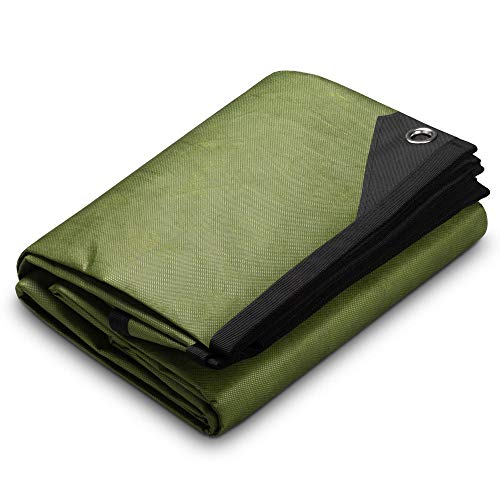
ALL WEATHER BLANKET: This unique blanket features a Mylar reflective side which can be used to reflect heat, create a radiant barrier, or signal for help. The other side is made of two layers of polypropylene, which creates a waterproof barrier and can be used as a blanket, tarp or shelter.
Strategies for Managing Defoliation and Branch Damage
After frost events, olive trees may show varying levels of leaf and branch damage, which demand different care strategies. Light defoliation of 20-25% allows for normal pruning of damaged branches while keeping enough foliage for recovery. When defoliation reaches 70-80%, thinning less damaged branches and removing parts with cracked bark is necessary to maintain tree health. Severe cracks in young branches need main branch reconstitution using healthier branches to restore structure. If defoliation is complete, carefully observe main branches and delay pruning until spring to confirm liveliness. Pruning in late April encourages new bud growth, which is essential for recovery. Managing defoliation and damaged branches promptly guarantees the tree can rebuild efficiently after cold damage. Additionally, maintaining proper pruning and inspection routines throughout the year helps prevent long-term damage and supports quicker recovery.
Recommended Products

This tree pruning kit includes everything you need to get the job done in one convenient package

TaskStar 2-in-1 Electric Pruner: Effortlessly switch between handheld and pole mode, offering flexible pruning for a variety of tasks; Trim low shrubs with precision or extend the pole to easily reach high branches—one tool, limitless possibilities

【Professional Powerful Power】Cordless pruning shears feature a 980W brushless motor and sk5 carbon steel blades for effortless cutting of branches up to 3 inches (78mm). The LED display shows cuts made and battery level, helping you monitor efficiency.
Best Practices for Irrigation and Fertilization Post-Frost
Since frost weakens olive trees, adjusting irrigation and fertilization practices is essential for recovery. In September, reduce irrigation to help trees harden against cold. Overwatering can stress already damaged roots, so closely monitor soil moisture, aiming for a slightly damp but not saturated soil environment. After April 1, apply a balanced fertilizer designed for trees and shrubs to supply crucial nutrients for regrowth. Avoid fertilizing before this date as it may cause stress during the critical recovery period. Timing and moderation are key—irrigate only when the top 2 inches of soil feel dry to the touch. This approach supports healthy root function and optimizes nutrient uptake, which helps the olive tree regain strength after frost damage. Using a soil mix that contains peat moss and perlite can further improve aeration and moisture management, aiding in the tree’s recovery.
Recommended Products

Package contains 160 evergreen fertilizer spikes and are produced to avoid wasteful runoff, mess, hazards and smells

EASY APPLICATION: Hammer It In! This is not your old, ordinary, crumbly, dusty, oval shaped fertilizer "spike". This is a patented, powerhouse TruSpike. There's no need for a plastic cap or special equipment with TruSpike, just hammer it in and let it get to work feeding your plants. It will NOT break, crush or smash... guaranteed!

Specially Formulated for Evergreen Trees & Shrubs: The 12-3-3 formula -- 12% Nitrogen; 3% Phosphorus; and 3% Potassium -- in these fertilizer plant food spikes was developed to meet the unique requirements of evergreens, pines, firs, and other coniferous trees and shrubs.
Frequently Asked Questions
How to Bring an Olive Tree Back to Life After Winter?
To revive an olive tree after winter, avoid winter pruning until new growth appears, then perform cautious cuts. Focus on tree nourishment by applying suitable fertilizers post-April, and guarantee deep, infrequent watering to support recovery.
Do Olive Trees Come Back After a Freeze?
Just as a fragile olive branch bends yet does not break, olive tree resilience enables freeze recovery when main branches survive. With nurturing care, these trees often revive, illustrating nature’s quiet persistence against harsh winter trials.
What Does a Sick Olive Tree Look Like?
Symptoms of sickness in an olive tree include browning or drooping leaves, necrotic lesions, and stunted growth. Poor olive tree health is also indicated by lack of new shoots and general decline in vigor, signaling stress or damage.
Can Olive Trees Handle Cold?
Olive trees exhibit moderate cold tolerance with varying frost resistance across varieties. While some withstand brief mild chills, prolonged exposure below -10°C risks significant damage or death, emphasizing the importance of selecting frost-resistant cultivars for colder climates.


