As an Amazon Associate, we earn from qualifying purchases. Some links on this site are affiliate links at no extra cost to you. Our recommendations are based on thorough research and editorial judgment.


Olive Trees in Coastal Gardens: Salt Tolerance and Care

Olive trees tolerate coastal salt spray and saline soils well, thriving in temperatures between 60°F and 85°F with under 20 inches of annual rainfall. Selecting cultivars like ‘Barnea’ and ‘Arbequina’ improves salt resistance due to their root systems that block sodium uptake. Plant in well-drained sandy soil with organic matter mixed in, water deeply once or twice weekly, and keep soil salinity below 4 dS/m. Following these steps supports healthy growth and fruit. Additional care tips help maintain resilience.
Key Takeaways
- Olive trees thrive in coastal gardens due to their high salt tolerance and ability to withstand saline soils and salt spray.
- Select salt-tolerant cultivars like ‘Arbequina,’ ‘Barnea,’ ‘Picual,’ and ‘Koroneiki’ for optimal growth in coastal environments.
- Maintain soil electrical conductivity below 4 dS/m and monitor regularly to prevent salt-induced growth decline.
- Use well-drained sandy soils, organic amendments, and drip irrigation to reduce salt buildup and support healthy root development.
- Employ deep, regular watering and fertilize with salt-tolerant formulations, enhancing salt stress resilience with PGPR and organic seaweed fertilizers.
Importance of Olive Trees in Coastal Landscaping
Although coastal environments can be harsh, olive trees (Olea europaea) flourish in these conditions because they withstand salt spray and saline soil. Their notable salt tolerance allows them to thrive where many plants fail, making them a reliable choice for coastal areas. Olive trees grow well in temperatures ranging from 60°F to 85°F and require less than 20 inches of annual rainfall. They feature evergreen foliage, which provides year-round shade and privacy, enhancing garden aesthetics. Additionally, olive trees produce edible fruits that attract pollinators with aromatic flowers, supporting local biodiversity. Due to their drought tolerance, these trees demand minimal watering—typically one deep soak every two weeks during dry spells. Overall, olive trees offer both beauty and resilience in coastal landscaping, proving practical and environmentally beneficial for homeowners. Many gardeners appreciate the low-maintenance nature of olive trees, requiring minimal care while sustaining their attractive appearance.
Effects of Soil Salinity on Olive Tree Growth

Olive trees stand out for their ability to handle salt spray and salty soils, but soil salinity still impacts their growth. When soil electrical conductivity (EC) reaches 4 dS/m or higher, it classifies as saline, which slows olive tree growth and reduces productivity. Exposure to NaCl concentrations around 50 mM causes osmotic stress and ionic toxicity, resulting in leaf necrosis and drop. Photosynthesis declines because salt stress lowers assimilation, stomatal conductance, and transpiration rates. Different olive cultivars vary in salt tolerance, so choosing one adapted to local soil conditions helps maintain steady growth. While olive trees adjust osmotically and balance potassium and sodium ions, high salinity remains a challenge. Monitoring soil salt levels and managing irrigation can protect olive trees and support healthier growth. Selecting drought-tolerant olive trees can also enhance resilience in saline coastal garden environments.
Morphological Adaptations of Olive Trees to Salt Stress

When exposed to salt stress, olive trees develop several key morphological adaptations that help them survive and grow. The ‘Barnea’ olive cultivar alters its root structure to block saline ions from entering, allowing it to thrive despite salt air exposure. Leaves become thicker, measuring up to 20% more than usual, while vascular vessels enlarge to enhance water retention and nutrient movement. These changes improve the tree’s resilience under salt stress around 50 mM NaCl concentrations or higher. This adaptation process includes maintaining a favorable potassium to sodium ratio within tissues, essential to avoid damage. Salt air can accelerate leaf drop and shoot necrosis if these adaptations fail. Understanding these morphological adaptations helps gardeners manage olive trees effectively in coastal gardens with salty conditions. Arbequina olive trees, known for their drought-resistant and low-maintenance nature, also thrive in well-drained soils, making them suitable models for studying salt tolerance in olive cultivation.
Physiological Responses of Olive Trees to Salinity

Understanding how trees adjust their physical form under salt stress sets the stage for examining what happens inside their cells. Olive trees show key physiological adaptations that support salt tolerance. They maintain a balanced potassium to sodium ratio, preventing toxic buildup and osmotic stress. Photosystem II efficiency, measured as Fv/Fm, varies among cultivars exposed to salinity, affecting their photosynthesis and growth. Even 50 mM NaCl can reduce growth, cause leaf necrosis, and lower photosynthetic rates. Additionally, olives use biochemical processes like reactive oxygen species scavenging to endure prolonged salt exposure. These internal responses allow them to thrive with low maintenance in salty coastal soils. Understanding these physiological mechanisms helps gardeners choose suitable olive varieties and manage care effectively in saline environments. Using soil moisture meters is also crucial for monitoring the water status of olive trees, ensuring optimal hydration and preventing overwatering in challenging coastal conditions.
Anatomical Features Enhancing Salt Tolerance

Anatomical adaptations play a vital role in helping olive trees cope with salty environments. Olive leaves become thicker by about 15-20%, which reduces water loss through evaporation. Their cell walls also thicken, helping the leaves resist damage from salt-induced osmotic stress. The vascular vessels grow larger—up to 30 micrometers in diameter—allowing better water transport despite saline conditions. Root systems contribute considerably to salt tolerance. The ‘Barnea’ cultivar’s roots renew frequently, excluding sodium ions effectively and maintaining a healthy potassium-to-sodium ratio. This selective uptake prevents toxic salt buildup in the rest of the plant. Together, these anatomical adaptations enable olive trees to survive in coastal gardens where salt levels are high, helping gardeners maintain healthy olive plants with less stress and damage over time. To support their stable growth in such challenging conditions, using durable steel stakes with rust-resistant coatings can provide essential structural support for olive trees.
Photosynthetic Behavior Under Saline Conditions
The photosynthetic behavior of olive trees changes noticeably under saline conditions, especially when soil salinity rises above 4 dS/m. Salt tolerance limits become clear as Na ion accumulation causes stomatal closure, reducing CO2 intake and slowing photosynthetic assimilation. Stomatal conductance and transpiration rates drop considerably, impairing overall metabolism and plant health. Photosynthetic efficiency, measured by the maximum quantum yield of photosystem II (Fv/Fm), varies among cultivars and generally decreases under prolonged salt stress. Some cultivars handle salt better, maintaining higher Fv/Fm ratios, while others show more decline. Leaf adaptations, like thicker leaves and larger vascular vessels, help olive trees retain photosynthetic function despite high salinity. Understanding these changes reveals why managing soil salinity is essential to support olive trees’ growth and salt tolerance in coastal garden settings. Additionally, providing suitable care such as the right watering regime and protection from frost can help maintain the health of olive trees under stressful conditions.
Biochemical Mechanisms Supporting Salt Stress Resistance
While olive trees face challenges from salty soils, they activate key biochemical mechanisms to survive and grow. Under salt stress, they perform osmotic adjustment by accumulating compounds like glycine betaine, which helps cells retain water. These trees regulate biochemical pathways to keep an ideal potassium-to-sodium ratio, essential for maintaining metabolic functions. The ‘Barnea’ cultivar excels by rapidly shedding sodium-loaded roots, reducing toxic ion buildup. Additionally, olive trees enhance reactive oxygen species scavenging, protecting cells from oxidative damage caused by salt stress. Leaf adaptations, such as thicker leaves and larger vascular vessels, assist in water retention, reducing dehydration. Together, these biochemical and anatomical strategies allow olive trees to maintain growth and function steadily, even when soil salinity rises above 3 dS/m, making them well-suited for coastal garden environments. Moreover, mature Arbequina olive trees are drought-tolerant once established, which further supports their resilience in challenging coastal soils and climates, especially in USDA Zones 8-10.
Best Olive Tree Cultivars for Coastal Gardens
Because coastal gardens often present challenges such as salty air, sandy soils, and strong winds, choosing the right olive tree cultivar is crucial for success. The ‘Arbequina’ cultivar offers excellent salt tolerance and resists coastal winds, producing a high oil yield. Similarly, ‘Picual’ olive trees thrive in sandy soils typical of coastal gardens and show robust tolerance to saline conditions. The ‘Barnea’ cultivar stands out for its structural adaptations that improve salt stress resilience. Meanwhile, ‘Koroneiki’ performs well in well-drained coastal soils with good sunlight, offering small, flavorful olives. Selecting these cultivars guarantees better growth and durability in salty, windy environments. Starting olive trees young also helps improve salt tolerance over time in coastal gardens. Additionally, ensuring proper well-draining soil can significantly enhance the tree’s health and salt tolerance in coastal conditions.
Recommended Products

【Large Exquisite Planter Included】Realead artificial olive tree come with an 15inch large planter, which has been meticulously designed and sized to seamlessly complement our faux olive tree.It is not only very sturdy, offering a ideal balance of aesthetics and functionality. You don't need spend extra time and money on it

Cypress & Alabaster was founded on the belief that creating a welcoming, healthy environment shouldn't harm our planet. Creating the first US-based, hand-crafted artificial trees made with real moss accents and locally-sourced, ethically-harvested real wood trunks, we replace fake plastic trunks that contribute to landfills. And we bring a more authentic, natural beauty to your home or office spaces while reforesting the US National forest by planting a real tree for each one you buy!

【Large Olive Tree】This 7ft large olive tree is more suitable for larger spaces, Its unfolded size is 47.5''D x 47.5''W x 84''H, and its length and width are adjustable and flexible. Attention: This product is split and compressed in the packaging.If you want to place it indoors, please reserve enough space to accommodate it, so that this olive tree can present a better shape.
Planting and Establishment Techniques for Olive Trees in Saline Soils
Selecting the right salt-tolerant cultivar is only the beginning when planting olive trees in coastal gardens. Choose varieties like ‘Barnea,’ known for roots that hyperaccumulate sodium, helping tolerate saline conditions. Plant olive trees in well-drained sandy soils to prevent root rot caused by excess salt. Before planting, mix organic matter to improve nutrient uptake and soil structure. Water trees deeply one to two times weekly during the first season to develop strong roots. Monitor soil salinity regularly, keeping levels low to avoid osmotic stress that weakens young trees. Avoid heavy, poorly drained soils, as olive trees are adapted to coastal sandy soils requiring good drainage. Incorporating fertilizers formulated for salt-tolerant plants also supports nutrient uptake and healthy growth during establishment.
Recommended Products

🌸 self-pollinating Olive tree comes with planting guide and 1yr. Supply of olive tree food

Made for Arborvitae Trees – Formulated to support healthy growth in arborvitae and evergreen hedges.

Made for Oak Trees – Formulated to support healthy growth in oak and large shade trees.
Maintenance Practices to Enhance Olive Tree Salt Tolerance
Many factors contribute to maintaining olive tree health in salty coastal soils. Regularly monitoring soil salinity is key; keep electrical conductivity below 4 dS/m to protect roots and nutrient uptake. Use drip irrigation to supply water directly to the root zone, reducing salt buildup on the surface and avoiding waterlogging. Apply organic amendments like compost at 2-3 inches thickness annually to improve soil structure and microbial activity. Incorporate plant growth-promoting rhizobacteria (PGPR) by mixing inoculants with soil every spring. Prune dead or unhealthy branches in late winter to encourage new growth. Fertilize with formulations designed for salt tolerance, such as potassium nitrate, at half the usual rate monthly during the growing season. Additionally, using fertilizers with an NPK ratio of 8-8-8 can support overall olive tree health and fruit production in coastal conditions. These maintenance practices collectively enhance salt tolerance and support olive tree vigor in challenging coastal garden environments.
Recommended Products

Standard 3/4" Garden Hose Thread Connections

Quick & easy filling with no adjustments required - Kid friendly

Standard 3/4" Garden Hose Thread Connections
Sustainable Approaches to Mitigating Salt Stress in Olive Cultivation
How can olive growers sustainably reduce salt stress in coastal soils? Employing sustainable practices is key. First, applying organic amendments like compost at 3-5 kg per tree yearly improves soil structure and salt tolerance by boosting root health. Using plant growth-promoting rhizobacteria (PGPR) also enhances root vigor and nutrient uptake. Second, efficient irrigation strategies must be employed to manage soil salinity. For example, drip irrigation delivering 5-8 liters per hour per tree helps flush excess salts beneath the root zone. Maintaining a balanced potassium to sodium (K/Na) ratio below 1.5 is essential to prevent toxicity. Additionally, integrating salt-tolerant cultivars developed through breeding programs further supports resilience. Incorporating organic seaweed and kelp fertilizers in the soil further enhances biodiversity and nutrient availability, contributing to healthier olive trees under salt stress. These combined approaches provide practical, sustainable solutions for mitigating salt stress in coastal olive gardens.
Recommended Products

LIQUID COMPOST FERTILIZER: Works to enhance stress tolerance and improves the conversion of applied fertilizers via natural chelating agents for better plant establishment and nutrition

Gardening Mix: Get more out of your flowers, shrubs, and more by mixing the soil with this succulent soil mix to provide natural nutrients for all of your plants free of odor and chemicals
![Organic Plant Magic - Truly Organic™ Long-Lasting Spreadable Plant Food: All-Purpose Fertilizer Granules for All Flower Vegetable Herb Fruit Tree Shrub Container Garden & House Plants [One 20 lb Bag]](https://m.media-amazon.com/images/I/41j8HNEs+mL._SL500_.jpg)
New Spreadable Fertilizer Granules - Amazing Benefits that Plants & Customers LOVE!
Frequently Asked Questions
Recommended Products

Gourmet Home Gardening: Cultivate a taste of the Mediterranean in your own backyard with the Arbequina Olive Tree. This exquisite variety is renowned for its high-quality olives, perfect for homemade olive oil and culinary creations. Elevate your cooking experience with the authentic flavors of freshly harvested olives, right from your garden.
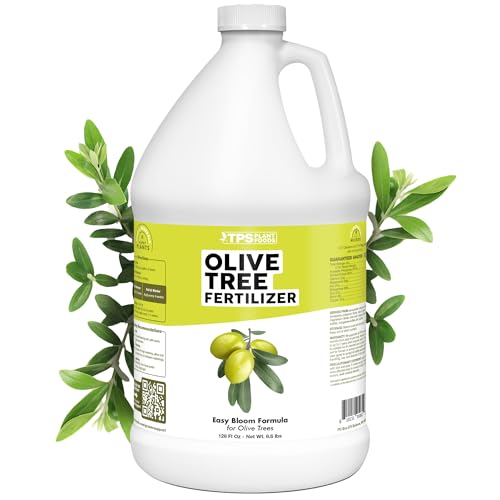
Made for Olive Trees - This olive tree fertilizer is formulated specifically to support healthy growth and long-term vitality in olive trees.

Specifically Formulated for Olive Trees: This potting mix is designed to replicate Mediterranean conditions, balancing moisture retention and drainage for strong roots and healthy growth, indoors and outdoors.
Are Olive Trees Salt Tolerant?
Coincidentally, olive trees are salt tolerant, offering notable benefits like drought resistance. Effective pruning techniques and proper soil requirements further optimize growth, making them reliable for coastal gardens where saline conditions challenge most other species.
Can Olive Trees Grow in Coastal Areas?
Olive trees can grow successfully in coastal gardening environments. Selecting appropriate olive tree varieties and ensuring well-drained soil meeting specific soil requirements are essential for their thriving growth and resilience against coastal conditions.
Do Olives Have Too Much Salt?
Olives do not contain too much salt naturally; their olive salt content is moderate. This balance maintains health benefits while complementing culinary uses, such as enhancing flavors without overwhelming dishes or posing health risks.
Can an Olive Tree Get Too Much Sun?
Yes, an olive tree can get too much sunlight exposure. Excessive sun may cause heat stress, leading to leaf scorch. Foliage protection through watering and mulching helps maintain soil moisture and reduces damage in extreme conditions.


