As an Amazon Associate, we earn from qualifying purchases. Some links on this site are affiliate links at no extra cost to you. Our recommendations are based on thorough research and editorial judgment.


The Mediterranean Origins of Olive Trees and Their History

Olive trees originated about 8,000 years ago in the Eastern Mediterranean, thriving in well-drained soils with plenty of sunlight. Early domestication transformed small, bitter olives into larger fruits for oil and table use. Ancient cultures like the Phoenicians and Romans refined cultivation with pruning and irrigation techniques. Olive trees have leathery leaves and can live over 2,000 years. Their fruit and oil gained cultural, economic, and spiritual importance. You’ll find further insights into their rich history and global influence ahead.
Key Takeaways
- Olive trees originated in the Eastern Mediterranean, domesticated between 8,000 and 6,000 years ago.
- Early cultivation began under Mediterranean climatic conditions, with selective breeding for larger, edible fruits.
- The Phoenicians expanded olive cultivation westward around 1500 BC, spreading its cultural and economic importance.
- Romans and later agronomists improved cultivation techniques, including pruning, irrigation, and grafting for higher yields.
- Olive oil production started about 6,500 years ago, deeply influencing Mediterranean diet and economy.
Etymology of the Olive
Although the olive tree has been cultivated for thousands of years, its name has traveled a long journey through languages. The etymology of “olive” begins with the Latin word “ŏlīva,” which itself traces back to the Greek “elaia.” This Greek term likely stems from the ancient Phoenician word “zait,” illustrating how Mediterranean cultures shared agricultural practices and language. The olive’s significance extends beyond farming; it influenced social, economic, and religious life in ancient societies. Different Mediterranean languages reflect this cultural importance through variations of the term for olive. Studying the word’s linguistic history reveals not only the olive’s role as a staple crop but also how deeply it is woven into the history and traditions of these interconnected ancient civilizations. Olive trees thrive best with six to eight hours of sunlight daily, which has influenced their cultivation across Mediterranean climates.
Botanical Description of Olive Trees

When discussing olive trees, it helps to start with their basic botanical features. The olive tree (Olea europaea) is a subtropical evergreen known for its leathery leaves and gnarled trunk. It thrives in Mediterranean climates, needing well-drained, fertile soils and plenty of sunlight. Olive fruits are drupes, each containing a single seed surrounded by fleshy fruit flesh. Cultivated olives show varietal differences, with thousands of types grown for olive oil production, table use, or decoration. Wild olive trees also exist, often having smaller fruits and more twisted branches. Ancient specimens can survive over 2,000 years, especially in regions like Crete. Understanding these traits aids olive cultivation by informing soil preparation, watering, and pruning, ultimately supporting robust fruit yields essential for quality olive oil production. Standard olive trees typically grow 6 to 7 feet tall, making them ideal for many garden spaces with at least 8 feet of vertical clearance and sufficient sunlight daily.
Taxonomy and Cultivars of Olive

The olive tree belongs to the species Olea europaea, which includes six recognized natural subspecies. Among these, subsp. europaea contains both wild olives, often called Olea oleaster, and cultivated olives selected through domestication. Cultivated olives tend to be larger and juicier than their wild ancestors. There are thousands of olive cultivars bred specifically for oil production, table consumption, or ornamental value. For example, Manzanilla and Kalamata are popular varieties, while Pisciottana from Italy is noted for its thick trunk—around one meter diameter—and excellent oil quality. Genetic studies analyzing chloroplast DNA reveal that olive domestication and spread mainly originated in the Near East, across the Mediterranean Basin. These insights enhance our understanding of the history of the olive and its diverse cultivars, underscoring the tree’s importance in the region’s agriculture and cuisine. Many cultivated varieties, such as Manzanilla, are renowned for their high yield and excellent table olives, making them favorite choices for both commercial and home growing.
Early Domestication and Archaeological Evidence

Early evidence shows olives were domesticated between 8,000 and 6,000 years ago in the eastern Mediterranean, near modern Turkey and Syria. Archaeological evidence includes fossilized olive leaves and pits dating back to the 12th millennium BC, which mark the presence of wild olives before domestication. The process of olive tree cultivation led to the transformation of small, bitter wild olives into larger, juicier cultivated olives suited for fruit trees and olive oil production. Genetic studies confirm that domesticated varieties originated locally in the Near East, including regions around the Aegean Sea. Significantly, olive oil production began around 6,500 years ago in Carmel, Israel. This evidence highlights how early farmers gradually refined olive trees, combining selective breeding and farming knowledge in the broader Mediterranean landscape. Modern cultivation often uses hardwood cuttings from specific olive varieties to ensure healthy growth and adaptability.
Olive Cultivation in the Mediterranean Basin

Although olive cultivation originated in the Eastern Mediterranean around 8,000 to 6,000 years ago, its spread across the basin involved careful adaptation to local climates and soils. Early farmers moved from harvesting wild olives to selecting trees that thrived in Mediterranean conditions, where summers reach 30°C and winters drop to 5°C. The Phoenicians, active around 1500 BC, expanded olive cultivation westward, introducing trees to the Iberian Peninsula. The Romans improved techniques by pruning branches every two years, ensuring better sunlight exposure and air circulation, which boosted olive oil yields. Between the 8th and 15th centuries, agronomists in Al-Andalus introduced irrigation methods and grafting, increasing productivity under Mediterranean drought stress. This careful cultivation sustained both food and trade, making olive oil a cornerstone of Mediterranean life. Modern indoor cultivation practices now simulate these natural conditions with controlled environments, including optimal humidity levels between 40-60%, to successfully grow olive trees hydroponically.
Recommended Products

90 Pod Bulk Harvesting: Growell vertical hydroponics growing system kit allows you to grow up to 90 plants at once, letting you cultivate vegetables, fruits, herbs, and flowers with ease while enjoying bountiful harvests. Compared to traditional soil gardening, it significantly reduces time, space, and water usage, speeding up growth cycles for efficient yields.

Large Hydroponics Growing System: Featuring 90 pods, the Growell vertical indoor garden allows you grow up to 90 plants at once, letting you cultivate vegetables, fruits, herbs, and flowers with ease. With a space-efficient size of 36.6''L*10.2''W*67.3''H, it maximizes yield while minimizing space. Compared to traditional soil gardening, it significantly reduces time, space, and water usage, speeding up growth cycles for efficient yields.

【Dual Growing Medium System – 88 Pods for Maximum Yield】This 3-tier indoor hydroponics system features 88 planting pods with two growing methods: 48 extra-large pods filled with reusable clay pebbles for better aeration, drainage, and nutrient absorption, and 40 small pods using grow sponges for easy transplanting. Ideal for vegetables, herbs, lettuce, and microgreens.
Expansion Beyond the Mediterranean Region
When Spanish colonists crossed the Atlantic after 1492, they took olive cuttings with them to the New World and planted the first olive orchards in Mexico by 1560. These cultivated olives adapted well beyond Mediterranean coastal areas, spreading to Peru, California, Chile, and Argentina. Wild olives native to Mediterranean countries served as the foundation for these cultivated trees. Olive farming expanded steadily as cultivation increased, supported by suitable climates resembling Mediterranean conditions—mild winters around 10-15°C and hot, dry summers near 30-35°C. The Old Arauco olive tree in Chile, over 400 years old, highlights this success. Today, more than 750 million trees thrive outside the Mediterranean region, demonstrating global influence. This widespread expansion shows how olive orchards adjusted and flourished in diverse environments, beyond their original homeland. Modern olive varieties like the Arbequina olive tree thrive in diverse climates, contributing to this global spread.
Symbolic and Cultural Importance in Ancient Civilizations
Olive trees shaped much more than landscapes—they influenced culture and belief systems deeply. The cultivation of olive trees began around 6,000 to 8,000 years ago in the Mediterranean, marking a significant agricultural milestone for ancient civilizations. Archaeological evidence, including 8,000-year-old olive pits, highlights their long-standing cultural importance. The olive tree carried symbolic meanings such as peace, prosperity, and wisdom, especially in ancient Greek culture. For instance, the olive tree was believed to be a gift from Athena to Athens, symbolizing her protection. Olives and olive oil supported Mediterranean diets and economies, contributing to social structures and diplomatic ties. Consequently, domesticating and cultivating the olive tree was not only an agricultural process but also a foundation for cultural identity and prosperity in ancient societies. Today, 24-inch olive trees with realistic silk leaves are popular choices for decorating both indoor and outdoor spaces, continuing the tree’s cultural significance through aesthetic appeal.
Olive in Religion and Spiritual Traditions
Since ancient times, the olive tree has held a sacred place in many spiritual traditions around the world. In ancient Greek culture, it symbolized peace, wisdom, and prosperity and featured prominently in religious rituals, such as during the Olympic games. The biblical tradition honors olive oil as a symbol of purity, used in anointing ceremonies for kings and priests. The olive branch is widely recognized as a symbol of peace, especially from the story of Noah’s Ark. In Islamic spiritual practices, the olive is praised as a blessed fruit in the Quran and used in various religious ceremonies. Olive oil’s connection to sanctification and healing underlines its importance. Together, these traditions show the olive tree’s enduring role in religious and spiritual life as more than just a natural resource. Modern decorative uses for olive trees often consider Mediterranean style compatibility to enhance both indoor and outdoor spiritual spaces.
Uses and Economic Significance of Olive Products
Spiritual significance often leads to practical uses, and this applies well to the olive tree. About 80% of harvested olives become olive oil, a staple in Mediterranean cuisines. Olive oil offers notable health benefits, such as antioxidants and good fats. Historically, olive oil drove significant economic activities, especially in the Baetica valley of southwest Spain. The Roman Empire encouraged cultivation through laws offering tax exemptions to olive farmers. Today, Spain remains a major producer, along with Italy and Greece, holding two-thirds of the global olive oil market. Thousands of cultivars exist for oil and table olives, adapting to specific uses. Trading olive products continues to shape local economies. Handling olives involves careful harvesting, prompt pressing below 27°C to preserve quality, and controlled storage to maintain flavor and health properties. Using fertilizers with the ideal NPK ratio around 8-8-8 supports healthy tree growth and high-quality harvests.
Recommended Products
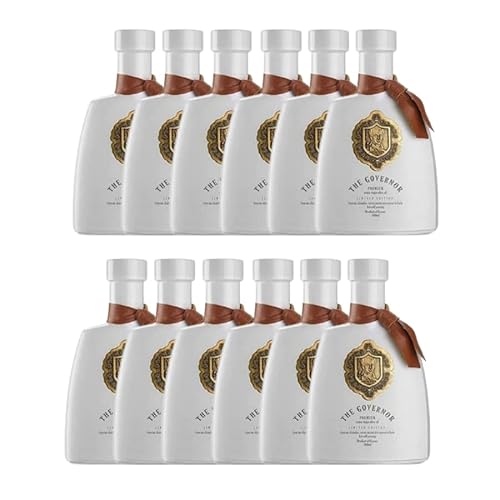
Top Shelf Olive Oil: Unmatched in quality, taste, and aroma - made from the finest Lianolia olives, carefully cultivated in the island of Corfu in Greece
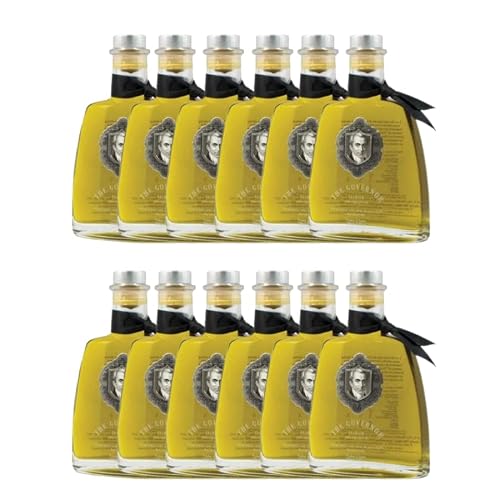
One of the Best in the World: The flavor and aroma of The Governor Premium Olive Oil is second to none; It uses Lianolia olives grown in Corfu island, a region in Greece famous for its world-class olive groves

✔ THE SUPREME SOURCE 2026 edt.: 100% Pure & Natural, Extra Virgin Olive Oil, from handpicked unripe olives (first agoureleon). From carefully selected ancient olive trees, in groves of Olympia Variety at the highest altitude of the mountains near Ancient Olympia, in Greece. The place where according to Greek Mythology, Hercules planted the first olive tree & the birthplace of the Olympic Games at which the winners were awarded with a priceless treasure: a branch of olive called “Cotinus”.
Cultivation Practices and Environmental Adaptations
Many farmers grow olive trees in Mediterranean climates with hot, dry summers and mild, wet winters. Olive cultivation requires well-drained, alkaline soils and at least six hours of sunlight daily to thrive. Domestic olive trees evolved from wild ancestors with adaptations that allow them to endure drought through deep roots reaching moisture 1.5 meters below the surface. Traditional practices include rain-fed agriculture, but modern growers often supplement with drip irrigation during dry spells. Sustainable methods focus on maintaining soil health and supporting native pollinators, which boosts fruit quality and ecosystem diversity. Genetic diversity among cultivars results from regional environmental adaptations, shaping traits like fruit size and oil content. These combined cultivation practices and environmental adaptations guarantee olive trees remain resilient and productive across varied Mediterranean landscapes. Additionally, choosing the proper soil mix consisting of potting soil, perlite or sand, and compost with a specific pH range enhances olive tree growth and fruiting.
Recommended Products

Standard 3/4" Garden Hose Thread Connections

Quick & easy filling with no adjustments required - Kid friendly

Standard 3/4" Garden Hose Thread Connections
Global Production and Modern Olive Agriculture
Olive cultivation today extends well beyond the traditional Mediterranean landscapes discussed earlier. Spain, Italy, and Greece produce around two-thirds of the world’s olive oil, leading global production. Spanish colonists introduced olive trees to the Americas in the 18th century, and California now hosts a significant cultivation industry. Olive trees show remarkable adaptability, thriving in climates from southern Africa to Australia. Farmers select from thousands of cultivars for oil, table olives, or decoration. Modern olive agriculture uses mechanized harvesting equipment to speed up the process and improve yield. Pest management techniques, such as targeted spraying and biological controls, help maintain crop health. These improvements guarantee efficient cultivation and consistent olive oil quality, reflecting a balance between tradition and innovation in global olive farming.
Frequently Asked Questions
How Does Olive Oil Quality Vary by Region?
Olive oil quality varies by region due to distinct olive varietals, climate impact, and soil differences. Region characteristics influence taste profiles, while processing methods, harvesting techniques, and consumer preferences also critically shape olive oil’s final quality and flavor.
What Pests Commonly Affect Olive Trees?
Like knights defending castles, olive trees endure pests such as olive fruit flies, scale insects, peacock eye, moth larvae, root feeding nematodes, leaf spot disease, black olive scale, trunk borers, and spider mites diminishing their health.
How to Identify Ancient Olive Tree Remnants?
Ancient olive tree remnants are identified through tree identification techniques combining visual characteristics, soil analysis, and genetic markers, supported by archaeological evidence, local legends, and preservation methods that confirm their historical significance and authenticity.
What Are Modern Health Benefits of Olives?
Olives possess near-miraculous powers, boasting antioxidant properties, supporting heart health, and offering anti-inflammatory effects. They enhance digestive benefits, promote skin hydration, aid weight management, contribute to cancer prevention, bolster immune support, and improve mental well-being.
How Is Climate Change Impacting Olive Cultivation?
Climate change impacts olive cultivation by intensifying climate variability effects, necessitating drought stress mitigation, pest resistance adaptation, and evolution of irrigation techniques. Sustainable farming practices, soil management strategies, biodiversity enhancement, carbon footprint reduction, and improved crop yield forecasting are essential.


