As an Amazon Associate, we earn from qualifying purchases. Some links on this site are affiliate links at no extra cost to you. Our recommendations are based on thorough research and editorial judgment.

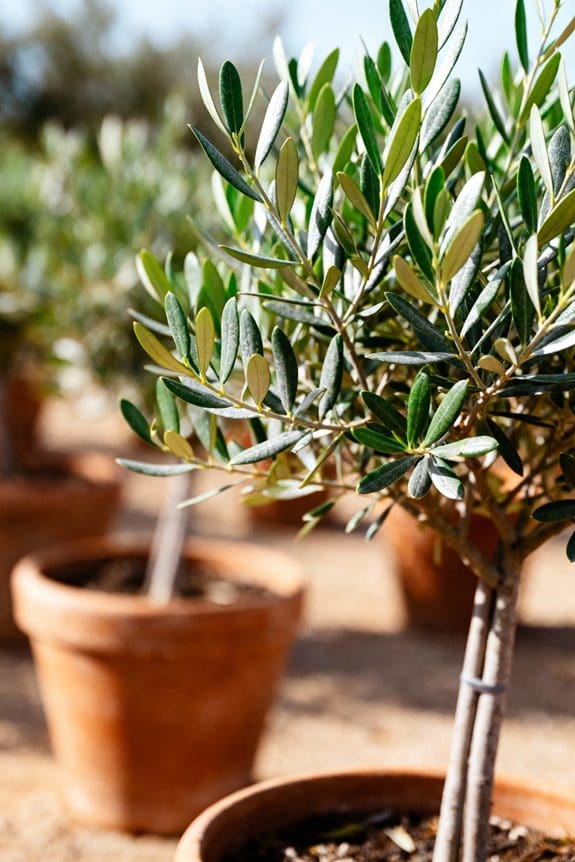
Arbequina Olive Trees: Characteristics and Growing Habits

Arbequina olive trees are small, drought-resistant evergreens reaching 15 to 20 feet tall and spreading 8 to 12 feet. They need full sun—at least six hours daily—and well-draining, alkaline soil. These self-pollinating trees start producing olives by year two to four, yielding small fruits that ripen from green to shiny black by November. Regular pruning during late winter improves airflow and fruit quality. With proper care, they thrive indoors or outdoors in Zones 8 to 10. Details on pruning and harvest follow.
Key Takeaways
- Arbequina olive trees have weeping branches, silvery-green leaves, and grow 15-20 feet tall, thriving in full sun and hot, dry climates.
- They produce small olives that start green and turn glossy black when ripe, typically harvestable from November onward.
- These trees are self-pollinating, drought-resistant, and adapt well to well-draining alkaline soil in USDA Zones 8-10.
- Pruning in late winter encourages healthy growth, improves airflow, and maintains manageable tree size for optimal fruit production.
- Arbequinas begin fruiting between years 2 and 4 and require consistent moisture without waterlogging for best development.
Origin and History of Arbequina Olive Trees
The Arbequina olive tree first appeared in the 17th century near the town of Arbeca in Catalonia, Spain. Known scientifically as Olea europaea Arbequina, it was cultivated for its high-quality fruit and oil. This variety thrives in hot, dry climates, tolerating summer temperatures up to 35°C (95°F). Its self-pollinating nature allows it to produce olives without a second tree nearby. Arbequina olives are small but yield rich, flavorful oil often used in high-end extra virgin olive oils. Over time, the tree’s adaptability led to its spread beyond Spain to Mediterranean-like regions worldwide, including California, where conditions closely match its native environment. Growers value Arbequina for dependable fruit set and consistent oil quality, making it a reliable choice in commercial and home orchards alike. Mature Arbequina olive trees typically yield up to 20 pounds of olives annually, providing both culinary and ornamental benefits.
Physical Description and Foliage
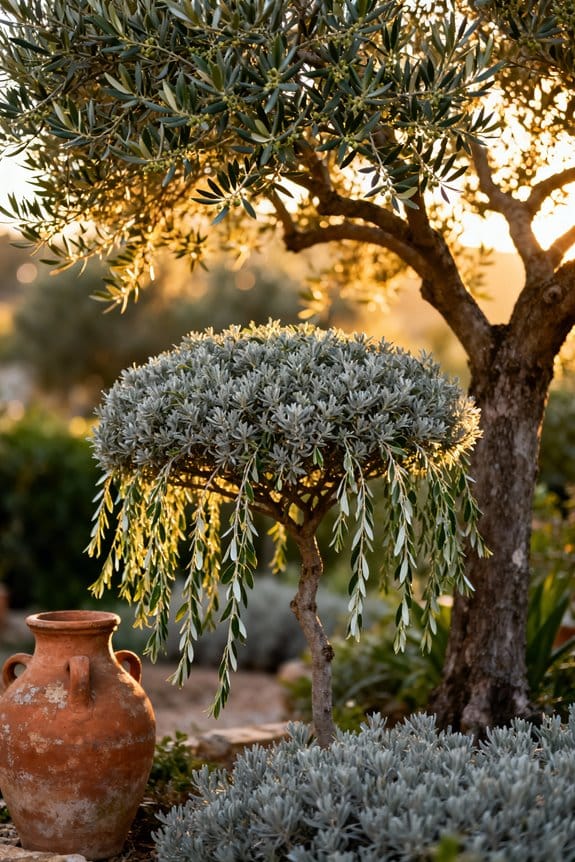
Arbequina olive trees stand out with their distinctive weeping branches covered in shiny, silvery-green leaves. The silvery-green foliage stays vibrant year-round, providing consistent visual interest in mild climates. The weeping branches typically spread wide, showcasing an elegant, draping form. Arbequina olives are small and fleshy, moving from green to pale pink, then glossy black at full ripeness. These olives are prized for their rich flavor and high oil content, ideal for both eating and oil extraction. The leaves average 2 to 4 centimeters long, slender, and slightly curved, which helps reduce water loss in warm temperatures around 60-85°F. Overall, the physical characteristics of the tree, especially its silvery-green foliage and gracefully arching weeping branches, contribute to both its ornamental and agricultural appeal. Arbequina olive trees are also self-fertile, allowing them to produce fruit without the need for another tree nearby.
Growth Habits and Tree Size
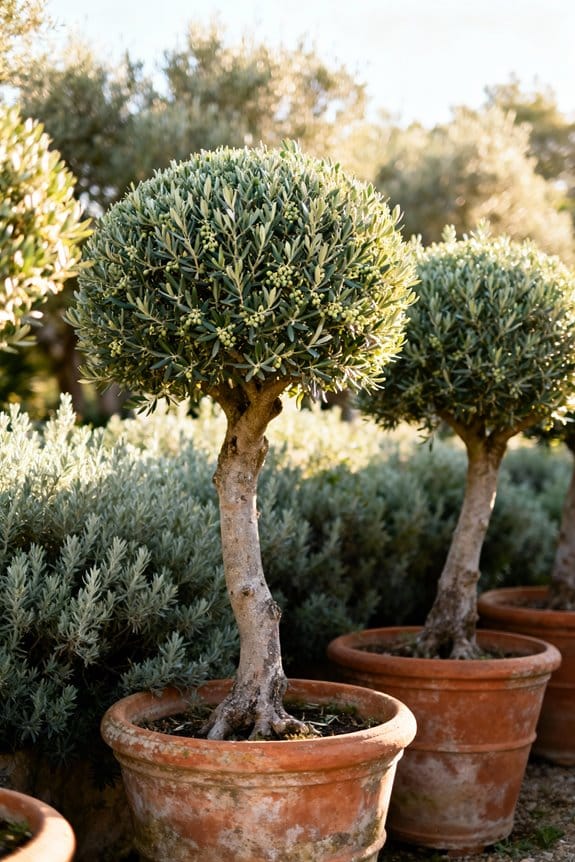
Several olive trees reach heights between 15 and 20 feet, with some mature specimens growing as tall as 35 to 40 feet. Arbequina olive trees typically fall within this range, usually reaching about 15 to 20 feet tall. Their tree size makes them manageable for most gardeners. These trees have a weeping growth habit, so their branches droop gracefully, giving them an ornamental look. The average spread is 8 to 12 feet, which is important to take into account when planting several trees. Arbequina olive trees do best in full sun, needing at least six hours of direct sunlight daily. This promotes healthy growth habits and sufficient fruit production. Overall, their moderate size and distinct weeping form make Arbequina olive trees popular for both home gardens and commercial orchards. They are also drought-resistant and low-maintenance, making them an excellent choice for gardeners seeking easy-care fruit trees.
Olive Fruit Characteristics and Ripening Process
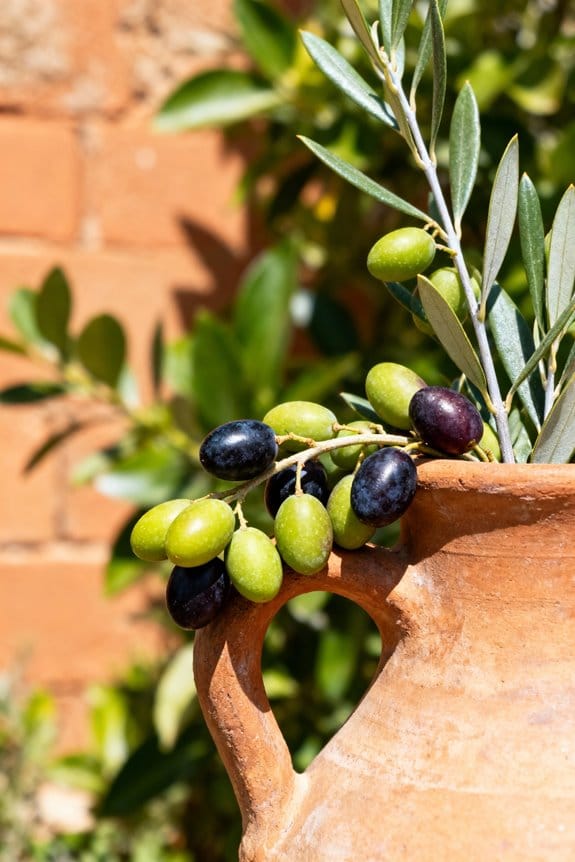
Olive trees that have reached 15 to 20 feet in height usually start producing fruit between their second and fourth years. Arbequina olives are small and fleshy, ideal for oil and table use. Their color shift signals ripeness: from light green to pink, then to glossy black. Harvesting is best when the olives fully ripen to this shiny black hue, usually starting in November. At this stage, the olives contain 12% to 15% oil and won’t ripen further once picked. Proper curing is vital to remove bitterness before eating. Curing methods include soaking in water for 10-14 days or brining with 6-8% salt concentration for 4-6 weeks. These steps guarantee the olives become palatable and ready for consumption or oil extraction. Arbequina olive trees, like Picual olive trees, benefit from consistent sunlight and temperature management to ensure healthy fruit development and optimal oil quality, making understanding their climate compatibility crucial for growers.
Ideal Climate and Hardiness Zones
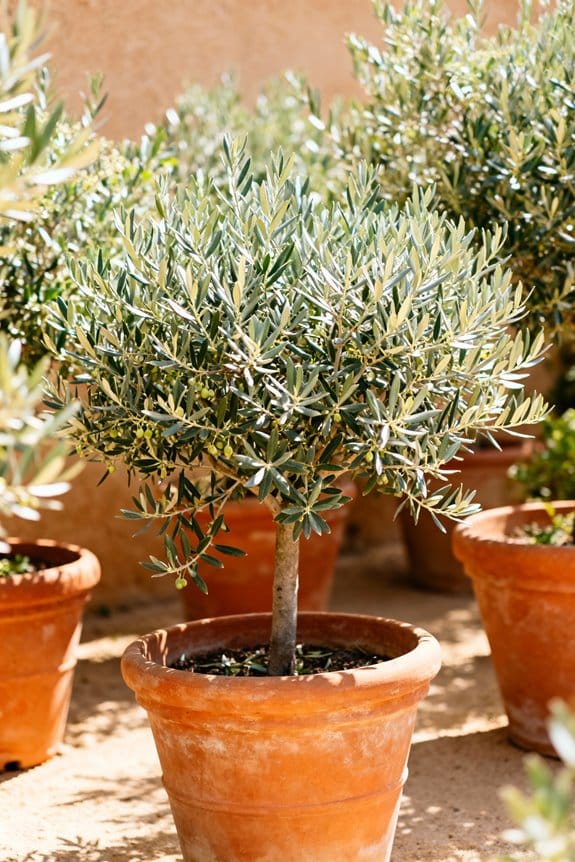
When considering where to plant these trees outdoors, it is vital to recognize they do best in hardiness Zones 8 through 10. Arbequina olive trees thrive in regions where temperatures rarely fall below freezing, tolerating lows down to 22 degrees Fahrenheit. These conditions support healthy growth and fruit production, as the olive requires full sun with at least six hours of direct light daily. While typically outdoor plants in warmer zones, they can survive in cooler Hardiness Zones 4 to 7 if grown indoors in pots. However, prolonged exposure to temperatures below 22 degrees can harm the tree. Choosing the right climate helps guarantee the olive will remain vigorous and productive, so understanding local temperature ranges and Hardiness Zones is vital for successful cultivation. The Arbequina variety typically reaches about 8 feet in height, making it suitable for many backyard and garden spaces with appropriate conditions for fruit production.
Soil Preferences and Planting Guidelines
A well-draining, alkaline soil is critical for planting Arbequina olive trees. These trees need well-drained soil to keep their root system healthy and prevent waterlogging, which can damage roots. When planted outdoors, choose a sunny spot with at least six hours of direct sunlight daily. Dig a hole twice as wide as the root ball, usually about 24 inches wide for young trees, to allow proper root expansion and soil aeration. Planting is best done in fall or early spring when temperatures range from 50 to 70°F, which supports root establishment before extreme heat or cold. For indoor growing, use potting soil mixed with perlite or small rocks in containers with drainage holes. Following these guidelines guarantees a strong start for healthy Arbequina olive trees. Maintaining soil moisture at 20-30% with good aeration is essential to prevent root rot and encourage growth.
Recommended Products

PREMIUM INGREDIENTS: This specifically crafted organic compost blend has a low pH premium formulation that is naturally lightweight and contains just the right ingredients ensuring healthy growth and beautiful results.

Miracle-Gro Moisture Control Potting Mix feeds plants for up to 6 months and Grows Plants Twice As Big! (vs unfed plants)
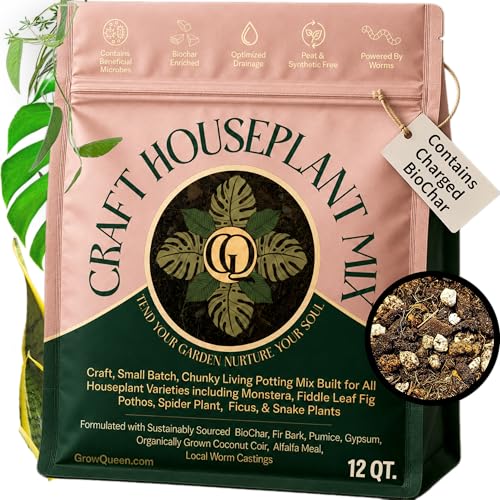
COMPLETE INDOOR POTTING SOIL FOR HEALTHY ROOT DEVELOPMENT: A premium potting soil for indoor plants designed to replace generic potting mix or garden dirt. Balances moisture and airflow so roots can breathe and expand. Works as houseplant soil, monstera soil, pothos soil, peace lily potting soil, and tropical plant soil for thriving indoor potted plants of all kinds.
Watering and Drought Tolerance
Several factors influence the watering needs of Arbequina olive trees, especially during their early years. These trees require regular watering to establish a strong root system. Water deeply 1-2 times a week, checking soil moisture at 1-2 inches deep before adding more water. Proper drainage is essential; well-draining soil prevents root rot and supports growth during dry spells. Young plants need consistent moisture and should be protected from extreme winter temperatures below 20°F, which can stress the roots. Once established after about two years, Arbequinas become drought-resistant, needing less frequent watering. During dry periods, watering every 10-14 days is usually adequate. Adjust the schedule based on rainfall and temperature, aiming to keep the soil moist but not waterlogged. This approach balances hydration without risking root damage. Additionally, ensuring the tree is planted in sandy, well-drained soil helps maintain optimal moisture levels and promotes healthy growth.
Recommended Products

NATURAL, ORGANIC INGREDIENTS: Made of 100% organic ingredients, this organic potting soil is free from synthetic fertilizers and chemicals. This planting soil gives your plants everything they need. Perfect for soil for indoor plants and outdoor potting soil.
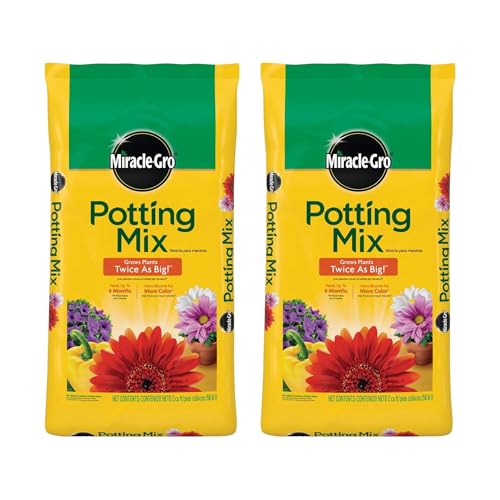
BIGGER PLANTS: Watch your container plants flourish with this potting soil that feed for up to 6 months to grow plants twice as big versus unfed plants

5% SOIL AND 95% NUTRIENTS: California Super Soil is a highly concentrated super soil designed specifically for vegetating and flowering plants. California Super Soil allows growers to achieve higher yeilds while also making the growing process cheaper and easier!
Pollination and Fruit Production
Many olive growers appreciate that Arbequina trees are self-pollinating, meaning they do not require another tree nearby to bear fruit. These trees can produce fruit independently, starting within 2 to 4 years after planting. Although a single tree will yield olives, planting multiple trees 8 to 12 feet apart improves pollination and increases overall fruit production. The olives mature from light green to pink, then reach a glossy black. Harvesting should occur only when the olives turn black because they do not ripen further once picked. This timing is essential for achieving ideal flavor and oil quality. Arbequina trees offer a reliable fruit supply due to their self-pollinating nature, but spacing them properly helps maximize the harvest of high-quality black olives. They thrive in USDA Zones 8-10, where temperatures stay above 20F, providing optimal growing conditions for healthy development.
Pruning and Maintenance Practices
Routine pruning and maintenance play a key role in keeping Arbequina olive trees healthy and productive. Pruning young plants usually involves thinning to promote 3-4 main branches. This improves light penetration and airflow, reducing fungal disease risk. Pruning is best done during the dormant season, typically in late winter when temperatures are between 35°F and 50°F. For established trees, light pruning every two years helps maintain size and shape while encouraging new fruiting wood. Regularly inspect the tree for pests, especially scale, which can be controlled with natural insecticidal soap. Avoid heavy pruning during active growth periods, as it can stress the tree. Following these pruning and maintenance practices will support steady growth and increased harvest yields for Arbequina olive trees. Additionally, incorporating a balanced fertilizer with the ideal NPK ratio of 8-8-8 during the growing season can further enhance tree vitality and fruit production.
Recommended Products

【Designed for Orchard, Vineyard & Large Backyard Trees】Built for real pruning work across orchards and residential landscapes, Kebtek KT 9035 battery operated pruners easily cut apple, peach, olive trees, and grapevines up to 35mm (1.38 inch). Also suitable for common American yard trees such as oak, maple (sugar & red maple), pecan, eucalyptus, and palm trees, making it a versatile solution for both fruit farms and home gardens.

🔪 [Ultra-Sharp SK5 Blade & Dual Cutting Diameter] Premium SK5 steel blade delivers clean, precise cuts up to 1.6" (4cm) for thick branches and 1.2" (3cm) for delicate stems. Perfect for versatile pruning in orchards and gardens.

7 ft. Pruner with a 3/4" cutting capacity
Indoor Vs Outdoor Cultivation
Whether grown indoors or outdoors, Arbequina olive trees adapt well to different environments but require specific care tailored to their setting. For indoor cultivation, place the tree where it receives 4 to 8 hours of full sunlight daily. Use well-draining soil mixed with perlite or small rocks to prevent waterlogging. When planted outdoors, these trees thrive best in USDA zones 8 to 11. Outdoors, they need at least six hours of full sunlight and alkaline, well-draining soil. Newly planted trees require consistent moisture to establish roots but avoid waterlogging. While indoor growers might hand-pollinate to boost fruit production, outdoor trees typically rely on natural wind pollination. This versatility makes Arbequina trees suitable for gardeners seeking either container growth inside or traditional planting outdoors with proper sunlight and soil care. Additionally, to maintain healthy growth and fruit quality, regular pruning during the dormant season is recommended to ensure adequate light penetration and air flow.
Recommended Products
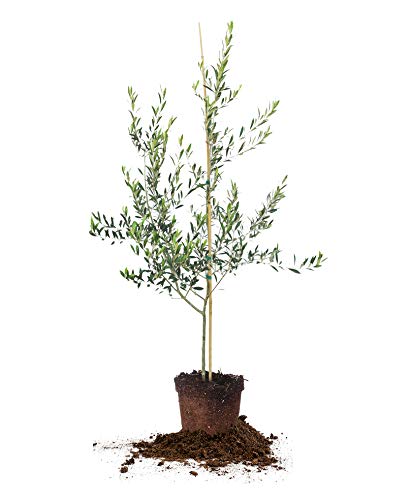
💚 Includes special blend plant food & Planting Guide

🌿 live 3-4ft Olive tree comes with easy to use plant food and produces edible olives within the first year of planting!

Gorgeous Landscaping Addition: The Arbequina Olive Tree not only produces table olives, but it's also used to make olive oil. This tree offers evergreen beauty and fragrant spring blooms to go along with its succulent fruit. Plus, it's self-fertile and bears fruit earlier than any other olive tree
Harvesting and Uses of Arbequina Olives
Arbequina olives ripen from light green to glossy black, signaling the best time to harvest. Harvesting usually begins in November, about 2-3 years after planting, when olives reach full ripeness for ideal flavor and oil quality. The olives are small but have a high oil concentration, making them excellent for producing smooth, nutty olive oil. After harvesting, olives require curing to remove bitterness. Common methods include brining or water curing, which can take several weeks. Once cured, these olives are suitable for table consumption or pressing into olive oil. The resulting olive oil is prized in cooking for its balanced flavor. Proper harvesting timing and curing processes are essential to maximize both taste and oil yield from Arbequina olives.
Recommended Products

Delicate and "sweet" premium Extra Virgin Olive Oil from Spain - 100% arbequina variety

High Polyphenol & Peak Freshness: Experience the robust, peppery finish of a true Early Harvest; Our USDA Organic EVOO is cold-pressed from 100% Turkish olives, bottled immediately to lock in antioxidants and that "just pressed" flavor

Mild & Award-Winning Arbequina Quality: Produced by Oro Bailen, this Arbequina Extra Virgin Olive Oil delivers soft aromas of apple and banana, crafted through cold extraction for exceptional purity. A mild profile makes it ideal for fruit salads.
Frequently Asked Questions
Where Is the Best Place to Plant an Arbequina Olive Tree?
The best place to plant an Arbequina olive tree offers full sunlight requirements, well-draining alkaline soil preferences, and moderate irrigation needs. This environment promotes healthy growth, fruit production, and resilience, ensuring ideal tree development and harvest yield.
How Long Does It Take for an Arbequina Olive Tree to Bear Fruit?
An arbequina olive tree typically begins fruit production within 2 to 4 years. Olive tree care and factors influencing yield, such as climate and soil quality, greatly affect the fruit production timeline and overall harvest success.
What Is Special About Arbequina Olives?
Arbequina olives are special for their exceptional oil quality, high monounsaturated fat content, and vitamin E, providing notable health benefits. Their light, fruity flavor enhances diverse culinary uses, making them highly versatile and sought after.
How Big Does an Arbequina Olive Tree Get?
The tree size of an Arbequina olive tree typically ranges from 15 to 20 feet tall, though growth conditions and olive tree pruning can influence height. Ideal care may allow some trees to reach up to 35-40 feet.


