As an Amazon Associate, we earn from qualifying purchases. Some links on this site are affiliate links at no extra cost to you. Our recommendations are based on thorough research and editorial judgment.


Olive Tree Lifespan: What to Expect Over the Years

Olive trees typically live between 300 and 600 years when cared for properly. They need well-drained soil with a pH of 6 to 8, and consistent watering of 25 to 40 liters per week depending on climate. Pruning in late winter encourages healthy growth and fruit production. Trees enter dormancy below 10°C and bloom in late spring. Balanced fertilization and pest monitoring also support longevity. Understanding these details helps you manage olive trees effectively over time.
Key Takeaways
- Olive trees typically live between 300 and 600 years with proper care and favorable environmental conditions.
- They experience distinct growth stages: dormancy in winter, new shoots in spring, blooming in late spring, fruit growth in summer, and harvest in autumn.
- Soil pH between 6 and 8, along with well-draining nutrient-rich soil, is crucial for healthy longevity.
- Consistent irrigation of 25-40 liters per week, adjusted to climate, supports sustained growth and fruit production.
- Regular pruning, balanced fertilization, and pest monitoring help maintain tree health and extend lifespan.
Ancient Olive Trees: Timeless Living Legends
Although ancient olive trees have withstood centuries of change, they remain productive and essential. Olive trees live in the Mediterranean climate, where mild, wet winters and hot, dry summers create ideal conditions. Many ancient olive trees, like the Vouves tree on Crete, survive for thousands of years and still produce olives used in olive oil production. The world’s oldest, Al Badawi in Bethlehem, may be up to 5,000 years old. Unlike most plants or animals, olive trees do not exhibit a clear average lifespan limit due to a lack of senescence. They can continue growing and bearing fruit even after damage. These enduring trees hold both agricultural value and cultural heritage, connecting generations through consistent olive yields across millennia. Using air pruning pots can help cultivate young olive trees by promoting healthier and more productive root systems.
Average Lifespan and Factors Influencing Longevity

When cared for properly, olive trees commonly live between 300 and 600 years, and sometimes much longer. The average lifespan depends on several factors that influence their longevity. Environmental factors like soil pH between 6 and 8, annual temperatures ranging from 15°C to 30°C, and well-draining soil are essential. Care practices such as consistent irrigation—supplying 25 to 40 liters per week depending on climate—balanced fertilization with nitrogen, phosphorus, and potassium, and early disease management greatly impact olive trees’ health. Poor conditions shorten lifespan, while attentive care promotes liveliness. Regular pruning in late winter supports growth by removing dead branches and improving air circulation. Through such measures, olive trees often maintain health and extend their lives, revealing just how their lifespan hinges on attentive environmental and care-focused management. Choosing a tree with realistic leaves and fruits can also enhance your satisfaction and connection with the tree as it grows over the years.
Recommended Products
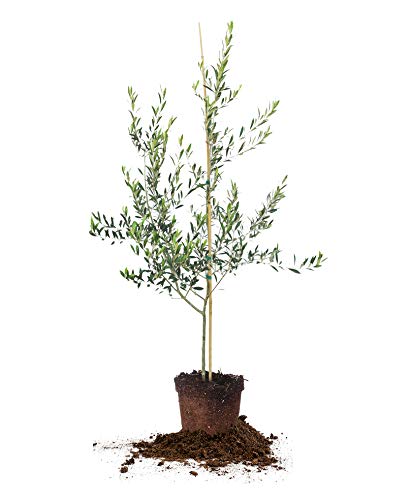
💚 Includes special blend plant food & Planting Guide

Specifically Formulated for Olive Trees: This potting mix is designed to replicate Mediterranean conditions, balancing moisture retention and drainage for strong roots and healthy growth, indoors and outdoors.

Natural Soil Conditioner for Healthier Plants: Heirloom Worm Castings are a 100% natural soil amendment rich in beneficial nutrients that improve overall soil quality and plant performance
Growth Stages Throughout the Olive Tree’s Life

As an olive tree moves through the year, its life unfolds in five main growth stages that each require distinct care. The first is winter sleep, when trees enter dormancy at temperatures around 5°C to 10°C. Next comes spring awakening, where new shoots and leaves appear, signaling a resumption of growth. Blooming follows, typically in late spring, when flowers form and set the stage for fruit. During fruit growth in summer, olives mature and need steady water and nutrients. Finally, harvest arrives in late autumn, completing the cycle. These growth stages define the lifespan of an olive and determine its productivity. Understanding these phases helps manage trees effectively, ensuring they remain healthy and fruitful year after year. Annual pruning of 20-30% of new growth in late winter or early spring is important to promote air circulation and tree health.
Recommended Products

【UP TO 45mm CUTTING DIAMETER】- SWANSOFT-8612 electric tree trimmer blades can easily cut through branches up to 45mm thick without causing damage. The blades of this battery pruning shears are forged from Swiss SK5 high-carbon steel, which is sharp and resistant to wear and tear. Flat and fast pruning like cutting butter easily

【Designed for Orchard, Vineyard & Large Backyard Trees】Built for real pruning work across orchards and residential landscapes, Kebtek KT 9035 battery operated pruners easily cut apple, peach, olive trees, and grapevines up to 35mm (1.38 inch). Also suitable for common American yard trees such as oak, maple (sugar & red maple), pecan, eucalyptus, and palm trees, making it a versatile solution for both fruit farms and home gardens.

TaskStar 2-in-1 Electric Pruner: Effortlessly switch between handheld and pole mode, offering flexible pruning for a variety of tasks; Trim low shrubs with precision or extend the pole to easily reach high branches—one tool, limitless possibilities
Environmental and Care Impacts on Lifespan
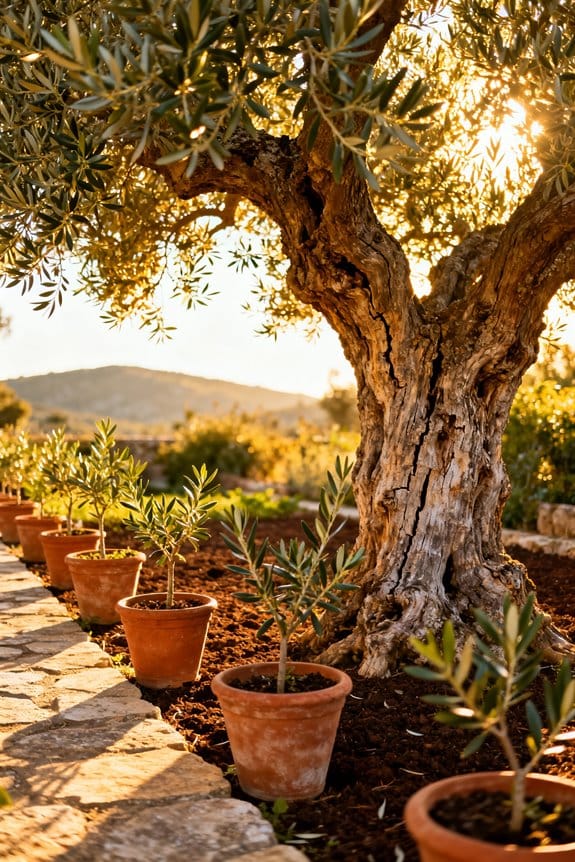
Because olive trees can live for centuries, their environment and care play a huge role in how long they thrive. Olive trees need proper water, ideally 500-700 mm annually, and nutrient-rich soil with good drainage. The olive industry recognizes that environmental factors such as Mediterranean climate conditions—temperatures between 15-30°C—and disease resistance greatly affect tree longevity. Aging olive trees can withstand chemical changes caused by pests or soil imbalances, but regular monitoring helps prevent damage. These trees’ extensive root systems assist recovery, yet consistent care remains essential. Proper pruning and pest control encourage healthy growth and delay decline. Without these steps, environmental stresses and chemical changes may shorten the lifespan. Understanding these impacts supports sustainable cultivation and longevity for olive trees in the olive industry. Additionally, maintaining soil moisture at 20-30% with good aeration is crucial for olive tree root health and overall lifespan. This balance of moisture management helps avoid root rot and encourages growth.
Recommended Products

Compact Yet Sturdy Design: Introducing our 21″ by 17.5″ rounded square rolling planter pot-a small powerhouse perfect for your patio. Despite its size, this planter boasts heavy-duty locking wheels, robust frames, and exceptional drainage holes for watering.

Manufactured in the USA: Proudly crafted in the United States
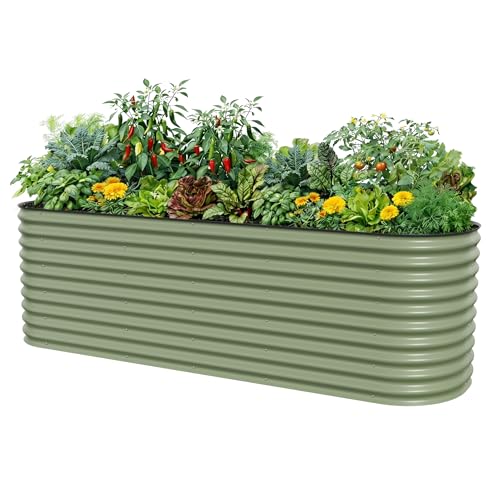
Modular Design: Vego Garden raised bed kits feature an innovative modular design, which means you can assemble a kit into various configurations that fit any backyard or garden space in a 10-in-1 kit, you can build one of 10 possible configurations to fit your garden plans
Preserving and Caring for Olive Trees Over the Centuries

Although olive trees are naturally resilient, their longevity depends greatly on consistent care over the centuries. To live much longer—often over 600 years—trees need proper care including regular pruning. Pruning every late winter removes dead branches and encourages new leaves, which boosts oil production while improving air circulation to reduce disease risks. Oil quality and yield improve when soil remains well-drained at around pH 6 to 8, and irrigation matches a monthly need of about 50mm in summer but less in winter. Organic pest management avoids chemical stress, promoting healthier growth. Overwatering or drought both harm roots and shorten lifespan, so monitoring soil moisture is essential. This careful, ongoing attention helps preserve olive trees’ health through many generations. It is best to prune during late winter when temperatures are between 40-60°F to ensure the tree sustains minimal stress while promoting healthy growth.
Frequently Asked Questions
How Many Years Does an Olive Tree Live?
Olive trees typically live between 300 and 600 years, influenced by olive tree care, cultivation, and varieties. Their history reveals remarkable growth and resilience, providing long-term benefits through centuries, demonstrating their enduring significance in agriculture and culture.
Can an Olive Tree Live Over 2000 Years?
Yes, olive trees can live over 2,000 years, exemplified by the Olive Tree of Vouves. Ancient olive cultivation, genetic resilience, environmental impact, maintenance practices, and longevity factors contribute to their historical significance and extended lifespan.
How to Tell the Age of an Olive Tree?
The age of an olive tree is determined by olive tree growth patterns, trunk diameter, and bark texture. Historical olive trees and olive tree characteristics, combined with identifying olive varieties, aid age estimation, supporting olive tree maintenance and appreciating olive tree symbolism.
Are Older Olive Trees Better?
Older olive trees often outperform younger ones due to ancient olive cultivation practices, gnarled trunk characteristics, and historical significance. Their culinary advantages, ecological impact, and aesthetic appeal contribute to their valued status in olive production and heritage.


