As an Amazon Associate, we earn from qualifying purchases. Some links on this site are affiliate links at no extra cost to you. Our recommendations are based on thorough research and editorial judgment.


Understanding Olive Tree Growth Stages From Seedling to Maturity

Olive trees start with a seedling stage, growing slowly before winter dormancy. When spring arrives, small white flowers bloom, needing pollination between 20°C and 25°C for fruit set. Fruit develops in stages—starting near 5 millimeters, growing to about 20 millimeters by midsummer, then ripening from green to dark purple in late summer. Harvest occurs in fall when colors change. Proper care through these steps guarantees healthy growth and better yields. More details explain how each phase impacts the final crop quality.
Key Takeaways
- Olive trees cycle through five growth stages: winter dormancy, spring awakening, blooming, fruit development, and harvest.
- New growth starts in spring as temperatures rise above 12°C, triggering bud break and leaf formation.
- White flowers bloom and require pollination between 20°C and 25°C for fruit set, with 30-50% flower-to-fruit conversion.
- Fruit size progresses from about 5 mm at cell division to 20 mm by midsummer during cell enlargement.
- Ripening occurs late summer to fall, changing olives from green to dark purple or black, signaling harvest readiness.
Origins and Historical Context of Olive Trees
Olive trees, scientifically known as Olea europaea, have an ancient origin that dates back more than 7,000 years. They first grew in the Levant region of the Mediterranean, particularly in Syria and Palestine. Archaeological findings link these trees to ancestors from the Late Cretaceous period. Olive trees spread throughout the Mediterranean thanks to the Phoenicians, who introduced them to Italy, Spain, and Greece. These trees hold significant cultural heritage, symbolizing peace and longevity in many societies, including ancient Greece, where they represented Olympic victory. Both their cultural heritage and economic importance make olive trees a staple in Mediterranean life. Their origin reflects not just biological roots but also centuries of human cultivation and reverence, which shaped their continuous presence in this region. Today, artificial olive trees mimic the realistic features of natural trees to bring this heritage into modern home decor.
Economic Impact of Olive Cultivation

Agriculture in Mediterranean countries heavily relies on the cultivation of olives. Olive oil production alone has reached a global record of 3.5 million tons, underscoring how essential this crop is for economic growth, especially in top producers like Spain and Italy. The olive harvest cycle requires attentive care, including pruning and water management, to guarantee high-quality fruit. Sustainable farming methods are increasingly adopted to maintain soil health and long-term yields. The Mediterranean diet, rich in olives and olive oil, boosts global demand due to its recognized health benefits. Emerging regions such as Longnan in China and Hungary expand cultivation, diversifying the market. In 2021, France produced around 4,500 tons of olives mainly for processing, reflecting the crop’s steady significance in agriculture and the economy. Additionally, using effective plant care tools like terracotta plant saucers can enhance olive tree growth by improving root aeration and moisture management.
Geographic and Climatic Conditions for Olive Growth

Climate plays an essential role in determining where olive trees can thrive, and the Mediterranean region offers nearly perfect conditions. Olive tree growth requires hot, dry summers and mild, wet winters with temperatures exceeding 12°C to break dormancy effectively. Geographic variations influence growth stages; for example, bud break in Spain can occur up to two months earlier than in French regions like Provence-Alpes-Côte d’Azur or Corsica. Soil quality is equally important—olive trees prefer well-drained, alkaline to neutral soils rich in organic matter. While olive trees tolerate drought, they need consistent irrigation during dry periods to support fruit development and establish oil quality. Understanding these climatic conditions and geographic variations can help optimize olive cultivation and anticipate growth patterns for healthier trees and better yields. Regular soil pH testing ensures nutrient availability critical for growth and productivity in these regions.
Olive Tree Life Cycle Overview

How does a tree shift through its year? The olive tree life cycle has five main stages: winter sleep, spring awakening, blooming, fruit growth, and harvest. During winter, the tree rests in dormancy. When temperatures rise above 12°C in spring, new growth appears as shoots and leaves develop. Next, the blooming stage occurs with the appearance of small white flowers. Bees and other insects pollinate these flowers, which is essential for fruit formation. As the flowers fade, tiny green olives start fruit growth, needing careful irrigation to achieve proper size and flavor. Finally, harvest happens in the fall when olives change color. Pickers may hand-pick or use mechanical methods to collect the ripe fruit. Each stage requires specific care for a healthy, productive tree. Careful attention to durability and style ensures long-lasting health and productivity of the tree.
Recommended Products

MAXIMUM FLOW. MAXIMUM STRENGTH: Featuring a 5/8" Inner Diameter, this hose delivers powerful water flow for serious tasks - up to 9 gallons per minute at 40 PSI. It's the ultimate choice when you need strength and performance without compromise.

Quick & Easy Filling: No adjustments required and kid friendly operation for hassle-free watering

Durable & Weather Resistance: The tall outdoor planter is made of lightweight high-density PP resin material that help fearless of climate change in all seasons, not fading, weathering, and cracking, guaranteeing years of outdoor use, making them excellent large outdoor planters for your garden, porch, or backyard
Seedling Stage and Early Development

Once the olives are harvested in the fall, the life cycle starts again when seeds are planted under warm, moist conditions. The seedling stage of the olive tree begins about 2 to 4 weeks after planting. During this time, seedlings grow slowly to about 30-45 cm tall as they focus on developing strong roots. Proper care involves ensuring well-drained soil and avoiding both waterlogging and drought through careful irrigation. Nutrient management is important, so organic fertilizers are applied to support healthy growth and soil health. Seedlings are vulnerable to pests and diseases, so regular monitoring is essential to catch problems early. Maintaining stable conditions helps the olive tree establish itself well before moving into subsequent growth stages. Planting in spring or fall is preferred to optimize seedling establishment and growth.
Recommended Products
![Organic Plant Magic - Truly Organic™ Long-Lasting Spreadable Plant Food: All-Purpose Fertilizer Granules for All Flower Vegetable Herb Fruit Tree Shrub Container Garden & House Plants [One 20 lb Bag]](https://m.media-amazon.com/images/I/41j8HNEs+mL._SL500_.jpg)
New Spreadable Fertilizer Granules - Amazing Benefits that Plants & Customers LOVE!

Safe for the Environment: Non-toxic and safe for beneficial insects, pollinators, pets, and the surrounding ecosystem, promoting a healthier garden environment.

All-Natural Formulation: Down to Earth Vegetable Garden is a 25-pound bag of all-natural fertilizer with 4-4-4 formula
Juvenile Phase Characteristics
The juvenile phase marks a period of rapid vegetative growth in olive trees, typically lasting from one to three years after planting. During this time, the trees develop sturdy stems and grow numerous leaves, which improve photosynthesis. Olive trees focus energy on building a strong root system to support future fruit production. These roots can extend 2 to 3 feet deep, enhancing nutrient uptake. Juvenile olive trees do not produce fruit yet; instead, they prioritize growing healthy foliage and branches. Ideal conditions include well-drained soil with a pH of 6 to 8, full sunlight for at least 6 hours daily, and moderate watering every 7 to 10 days. Avoid water stress, as it can stunt growth. This phase may last up to five years before fruiting begins. Using a nutrient-rich potting mix can significantly promote strong root development during this early stage.
Recommended Products

FEEDS UP TO 6 MONTHS: Miracle-Gro Potting Mix is a gardening soil for outdoor containers that feeds all types of potted plants, including flowers, vegetables, shrubs, annuals, and perennials for up to 6 months
💚 Includes special blend plant food & Planting Guide
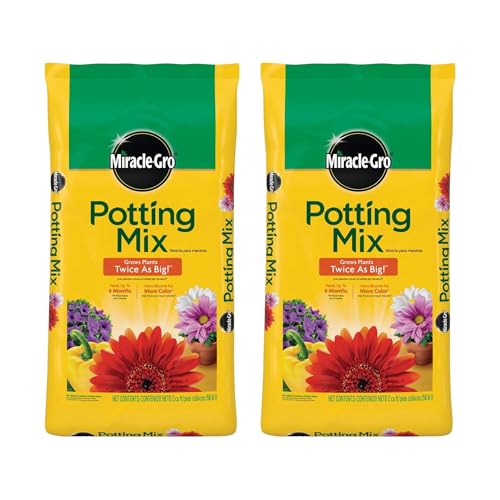
BIGGER PLANTS: Watch your container plants flourish with this potting soil that feed for up to 6 months to grow plants twice as big versus unfed plants
Transitioning to Maturity
As olive trees grow beyond their juvenile stage, they begin stabilizing their structure and preparing to bear fruit, usually between three and six years after planting. During this shift to maturity, olive growth patterns shift as roots extend downward about 1 to 2 feet annually, anchoring the tree firmly. Branches develop a denser canopy, typically expanding 18 to 24 inches each season. Regular pruning is essential; removing roughly 20% of older shoots improves sunlight penetration, which enhances both flower and vegetative growth. As spring arrives and temperatures stabilize around 60 to 70°F, flower production increases, setting the stage for fruit formation. Mature olive trees become resilient, enduring temperatures from 20°F to 100°F. This stability supports sustainable fruit production for decades if managed properly. Additionally, maintaining optimal soil conditions with a pH between 6 and 8 is crucial for the health and productivity of Leccino olive trees.
Recommended Products

【UP TO 45mm CUTTING DIAMETER】- SWANSOFT-8612 electric tree trimmer blades can easily cut through branches up to 45mm thick without causing damage. The blades of this battery pruning shears are forged from Swiss SK5 high-carbon steel, which is sharp and resistant to wear and tear. Flat and fast pruning like cutting butter easily

【Designed for Orchard, Vineyard & Large Backyard Trees】Built for real pruning work across orchards and residential landscapes, Kebtek KT 9035 battery operated pruners easily cut apple, peach, olive trees, and grapevines up to 35mm (1.38 inch). Also suitable for common American yard trees such as oak, maple (sugar & red maple), pecan, eucalyptus, and palm trees, making it a versatile solution for both fruit farms and home gardens.

TaskStar 2-in-1 Electric Pruner: Effortlessly switch between handheld and pole mode, offering flexible pruning for a variety of tasks; Trim low shrubs with precision or extend the pole to easily reach high branches—one tool, limitless possibilities
Flowering and Pollination Processes
Fruit production starts with flowering, which usually happens from late spring to early summer. Olive trees produce small, white, and fragrant flowers from buds formed the previous winter. Pollination is necessary for these flowers to develop into olive fruit. Bees and other pollinators carry pollen between flowers, enabling fertilization. Environmental factors greatly influence success; ideal pollination occurs at temperatures between 20°C and 25°C with adequate soil moisture. Despite many flowers, only about 30-50% set fruit due to varying conditions. Once pollinated, flowers fertilize and begin developing into olives. This process continues through summer, preparing the tree for harvest time in late fall. Monitoring these stages carefully helps guarantee a good fruit set and better yields in the coming season. Regular feeding with nutrient-rich fertilizers can further support flower development and fruit set for optimal olive production.
Fruit Development and Ripening Stages
How exactly do olives develop after flowering? After pollination by bees, tiny fruit forms on the tree in late spring. Olive fruit development progresses through three main phases: cell division, cell enlargement, and maturation. During cell division, the fruit remains small, measuring about 5 millimeters, while cell enlargement increases size up to 20 millimeters by midsummer. Ripening begins in late summer as the fruit changes color from green to yellow, then dark purple or black. This color shift signals that the fruit is ready for harvesting, which directly impacts the quality and flavor of olive oil. Ideal development depends on adequate water and nutrients, with temperatures ideally between 20-30°C to favor proper maturation. These stages are critical for producing high-quality fruit and oil. Regular pruning and consistent moisture are essential care practices to optimize fruit yield during these development stages.
Harvesting Techniques and Timing
Once olives reach their ripening stage, knowing the right moment to harvest becomes the next important step. Ideal timing occurs as olives begin changing color from green to dark purple or black, signaling peak oil content. Most harvesting happens between late September and early November, varying by region and variety. Traditional harvesting techniques often involve hand-picking to avoid bruising, which preserves the quality oil extracted later. Mechanical shaking is an efficient alternative for larger groves but requires careful calibration to minimize damage. Harvested olives should be processed within hours to produce Olio Nuovo, the fresh, high-quality oil. Avoid delays and rough handling, as bruised fruit leads to spoilage and inferior flavor. Proper timing and method guarantee maximum yield and exceptional oil quality. Using adjustable grow lights during the fruit development stage can also enhance the growth quality of indoor olive trees.
Recommended Products

PICKUP OBJECTS: Perfect for small-sized objects between 3/8” to 3/4” in size with a capacity of approximately 1/2 gallon. This includes items such as acorns, buckeyes, and other similar-sized items.

🍎 ULTIMATE HARVESTING APRON -Experience the pinnacle of harvesting convenience with our ingenious kanga-roo style deep bottom release pocket, complete with an internal waterproof drawstring bag. The ideal choice for your fruit-picking apron. Safely secure small fruits like olives and cherries, preventing spills and making bending a breeze, secured in place with a top clip for heavy loads.

Asparagus Knives Set: you will receive 2 asparagus knives, enough for your daily use and replacements. You can enjoy the joy of harvesting with family or friends
Sustainable Cultivation Practices and Future Trends
Sustainable cultivation practices have become essential for olive growers aiming to protect their land and improve crop quality. Employing organic pest management, such as the push-pull method, encourages natural predators to keep pests in check, reducing chemical use. Precision agriculture tools optimize water and nutrient application; for instance, drip irrigation systems deliver water uniformly at 2-4 liters per hour per emitter, minimizing waste. Farmers focus on regenerative agriculture to repair soil structure by rotating cover crops every 6-8 weeks, maintaining organic matter above 3%. Future trends emphasize climate-resilient varieties, selected to withstand temperatures up to 45°C and drought conditions. These practices not only sustain the environment but also improve yield consistency and fruit quality. Adopting these methods guarantees olive groves remain productive for decades under shifting climate conditions.
Frequently Asked Questions
What Are the Stages of Olive Growth?
The stages of olive growth include winter dormancy, spring awakening with new shoots, blooming needing pollination, fruit growth requiring watering needs and pest management, and harvest timing when trees undergo pruning and soil requirements are optimized for yield.
What Is the Life Cycle of the Olive Tree?
The olive tree’s life cycle involves winter dormancy, spring growth, flowering, fruit development, and harvest. Olive cultivation practices emphasize appropriate soil requirements, pest management, pruning techniques, and adapting to climate impacts to optimize growth and yield.
How Long Does It Take an Olive Tree to Reach Maturity?
An olive tree takes a patient journey of approximately 5 to 12 years to reach its prime, influenced by growing conditions and climate impact; thoughtful tree care guarantees robust fruit production throughout its extended olive tree lifespan.
How to Identify Olive Tree Age?
Olive tree age is identified through age indicators like trunk diameter, bark texture, and growth rings. Environmental influences and growth factors affect these signs, while seed development timing and tree pruning history also provide clues to the tree’s age.


