As an Amazon Associate, we earn from qualifying purchases. Some links on this site are affiliate links at no extra cost to you. Our recommendations are based on thorough research and editorial judgment.


Identifying Nutrient Deficiency Symptoms in Olive Foliage

Identifying nutrient deficiencies in olive foliage starts with observing leaf color and texture closely. Older leaves turning pale yellow after about 50 days usually signal nitrogen lack. Chlorosis between veins on young leaves often points to iron deficiency, while brown margins after 34 weeks suggest potassium issues. Boron shortages cause distorted, “zippered” leaf edges, and zinc deficiencies make middle leaves leathery with upturned edges. Regular tissue tests and soil analysis help verify these signs and guide precise fertilization for healthier growth. Keep exploring to refine diagnosis and care.
Key Takeaways
- Nitrogen deficiency causes older olive leaves to turn pale yellow about 50 days after nutrient shortage begins.
- Iron deficiency shows as interveinal chlorosis with green veins but yellow leaf tissue, primarily on young leaves.
- Potassium deficiency appears after 34 weeks, with leaf margin chlorosis and brittle stems reducing drought tolerance.
- Magnesium deficiency causes interveinal chlorosis and leaf curling on upper leaves, developing later than potassium symptoms.
- Zinc deficiency leads to interveinal chlorosis, leathery leaf texture, and upturned edges, especially in middle leaves.
Common Visual Symptoms of Nutrient Deficiencies in Olive Leaves
When olive trees lack essential nutrients, their leaves show specific, telltale signs that gardeners should watch closely. Nutrient deficiency often appears in leaves, either older or younger ones, depending on the element missing. For example, nitrogen deficiency causes older leaves to turn pale yellow about 50 days after it starts. Iron deficiency leads to clear interveinal chlorosis in younger leaves, making the leaf tissue between veins turn yellow while veins stay green. Potassium deficiency shows up later, around 34 weeks, with chlorosis at leaf margins and brittle stems. These distinct visual symptoms help pinpoint which nutritional deficiencies olive trees are suffering from. Recognizing these signs allows for timely intervention and better management of olive tree health before serious damage sets in. Applying fertilizers with balanced NPK ratios and essential micronutrients can effectively prevent these nutrient deficiency symptoms and promote healthy, lush growth.
Mobility of Nutrients and Symptom Localization in Olive Trees

How can nutrient mobility influence where deficiency symptoms appear on olive tree leaves? Mobile nutrients like nitrogen, phosphorus, and potassium relocate to younger leaves, causing deficiency symptoms such as chlorosis on older leaves first. In contrast, immobile nutrients—calcium, sulfur, and most micronutrients—cannot move, so symptoms show on young leaves. For example, zinc’s partial mobility means chlorosis often starts in middle leaves before spreading. Boron deficiency mainly causes stunted and distorted new leaves, vital for growth. Recognizing these patterns helps diagnose nutritional deficiencies accurately. This understanding guides targeted fertilization, ensuring olive trees receive specific nutrients based on symptom location. Timely correction improves tree health and yield. Observing older versus young leaf symptoms provides clear clues about which nutrients lack mobility and need attention in olive foliage management. Regular liquid fertilization during warm months can enhance nutrient availability and support recovery from deficiencies, as detailed in fertilization practices.
Nitrogen Deficiency: Signs and Leaf Nutrient Concentrations

Nutrient mobility helps explain why nitrogen deficiency symptoms mostly appear on older olive leaves. When nitrogen becomes limited, leaf nitrogen concentrations drop significantly, especially in these older leaves. This decline triggers visible symptoms, like the pale, yellowish-green color that signals nitrogen deficiency. Symptoms of deficiency usually develop about 50 days after nitrogen is withheld. As nitrogen is essential for key growth processes, a shortage results in stunted growth and delayed development. Mineral analysis of affected leaves confirms the nutrient loss, helping distinguish nitrogen deficiency from other nutritional deficiencies in olive. Timely intervention involves supplementing nitrogen to restore balance and support healthy foliage. Recognizing these visual symptoms on older leaves enables quick identification and response, preventing long-term damage and productivity loss in olive trees. Applying fertilizers with a balanced nutrient ratio that includes micronutrients such as iron and zinc is essential to maintaining overall tree health and preventing complex nutritional deficiencies.
Recommended Products

OUR CARBON 60 OLIVE OIL IS HELD TO THE HIGHEST STANDARDS It's tested for purity and quality. Like our C60 powder, we use lab tested high Polyphenol Extra Virgin Olive Only. Using the best ingredients means using only extra virgin olive oil

Package contains 160 evergreen fertilizer spikes and are produced to avoid wasteful runoff, mess, hazards and smells

EASY APPLICATION: Hammer It In! This is not your old, ordinary, crumbly, dusty, oval shaped fertilizer "spike". This is a patented, powerhouse TruSpike. There's no need for a plastic cap or special equipment with TruSpike, just hammer it in and let it get to work feeding your plants. It will NOT break, crush or smash... guaranteed!
Potassium and Magnesium Deficiencies: Identification and Effects

Although potassium and magnesium deficiencies tend to develop slowly, recognizing their signs early is vital for olive tree health. Potassium (K) deficiency first shows as leaf margin chlorosis, where older leaves turn yellow, then brown, and finally necrotic. This damage slows plant growth and weakens stems, reducing drought tolerance by impairing stomatal control. Magnesium (Mg) deficiency causes interveinal chlorosis with leaf curling, mostly on upper leaves, while veins remain green. Chlorosis occurs because Mg is immobile in the plant. Symptoms of K deficiency often appear after 34 weeks of nutrient shortage, while Mg symptoms arise as plants mature. These nutrient deficiencies, if unchecked, disrupt photosynthesis and nutrient transport. Proper, timely K and Mg management is essential for olive trees to avoid these nutritional disorders and guarantee healthy growth and production. Regular monitoring and the use of balanced fertilization tailored to olive trees can prevent these deficiencies effectively.
Recommended Products

COMPLETE PALM TREE FOOD: Lutz Palm Tree Potassium Spikes offer a balanced tree fertilizer spike formula tailored for palms and ferns. With essential nutrients like potash (20%), magnesium (7%), sulfur (20%), and nitrogen (6%), these plant food spikes combat common deficiencies and promote lush growth in your garden, making them an ideal choice for enriching your tree spikes fertilizer routine.

HIGH POTASSIUM 0-0-50 – Concentrated potash fertilizer formulated to support plant performance during bloom stage and late growth cycles

Finally Available On Amazon! You Asked And We Listened, So The Most Popular Fertilizer For Palms Is Now On Amazon.
Detecting Boron and Zinc Deficiencies in Young Olive Foliage

What signs should one look for when evaluating young olive leaves? Boron (B) deficiency shows stunted growth at stem and root tips and leaf distortion with a distinct “zippering” effect at the leaf margins. The young olive foliage appears dark green with distorted shapes and darker bands on petioles. Zinc deficiency, in contrast, causes interveinal chlorosis with yellowing bands between the green leaf veins, leading to leathery texture and upturned edges. Visual symptoms intensify when boron levels drop below 33 mg/kg dry weight in new leaves. Recognizing these nutrient deficiency symptoms early helps maintain healthy foliage and productivity. Routine tissue sampling of young olive foliage enables timely detection of boron and zinc deficiency, which is essential for effective nutrient management strategies in olive cultivation. Applying fertilizers with essential micronutrients such as boron and zinc can prevent these deficiencies and support healthy olive tree growth.
Recommended Products

Package contains 160 tree and shrub fertilizer spikes and are produced to avoid wasteful runoff, mess, hazards and smells

COMPLETE TREE FOOD SPIKES: Lutz Iron Chlorosis Spikes offer a balanced tree fertilizer spike formula tailored for trees and shrubs. With essential nutrients like Iron (16%), Nitrogen (5%), Sulfur (4.8%), Phosphaate (3%), Potassium (3%), these plant food spikes combat common deficiencies and promote lush growth in your garden.
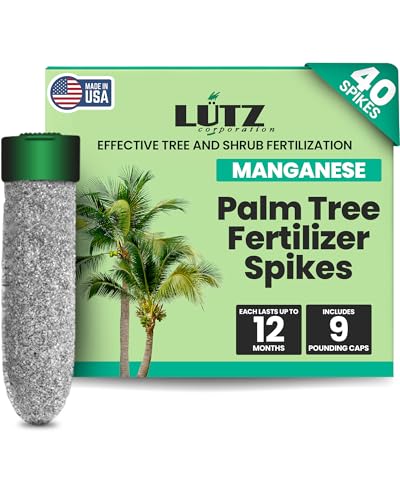
COMPLETE PALM TREE FOOD: Lutz Palm Tree Manganese Spikes offer a balanced tree fertilizer spike formula tailored for palms and ferns. With essential nutrients like manganese (20%), magnesium (6%), sulfur (16%), and nitrogen (4%), these plant food spikes combat common deficiencies and promote lush growth in your garden, making them an ideal choice for enriching your tree spikes fertilizer routine.
Methods for Early Detection and Tissue Sampling in Olive Nutrient Management
Early detection of nutrient deficiencies in olive trees depends heavily on routine tissue sampling, especially of mature leaves. Collect leaves from the same position on the tree for consistent results. Conduct leaf analysis periodically to monitor nutrient levels, noting that nitrogen deficiency is indicated when levels fall below 2.5%. Visual symptoms like chlorosis provide clues, but tissue testing confirms the diagnosis accurately. Combine tissue testing with soil testing to get a complete view of nutrient status. After identifying deficiencies, apply corrective fertilizers tailored to the specific nutrient shortfall. This precise nutrient management maintains tree health and prevents yield loss. Regular monitoring through leaf analysis and soil testing creates a reliable system for early intervention before symptoms worsen, ensuring olive trees stay productive and robust. Additionally, for indoor growing, maintaining appropriate sunlight and watering conditions complements nutrient management strategies.
Impact of Nutrient Deficiencies on Olive Growth and Fruit Quality
Nutrient deficiencies can quickly stunt the growth of olive trees and reduce fruit quality if not addressed. Nitrogen deficiency causes older leaves to yellow and slows vegetative growth, which lowers oil content in the fruit. Phosphorus deficiency leads to wrinkled leaves with purplish hues, delaying flowering and reducing fruit set and oil quality. Potassium deficiency shows as chlorosis along leaf edges and necrosis, causing brittle stems and weaker resistance to heat or drought, directly affecting fruit size and quality. These symptoms impact the overall yield. Proper nutrient management is essential, including soil testing every 2-3 years and targeted fertilization based on those results. Monitoring chlorosis and other signs helps detect deficiencies early, allowing timely correction to maintain ideal vegetative growth and high fruit quality in olive groves. For indoor or small-space growers, incorporating an 18-inch olive tree with lifelike foliage can help closely monitor nutrient-related leaf changes in a controlled environment.
Recommended Products
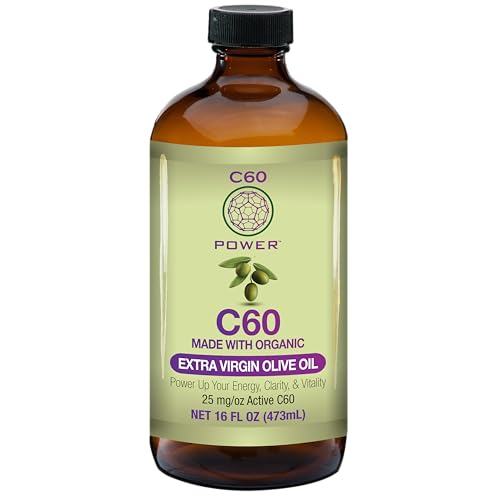
THE ULTIMATE ANTIOXIDANT - Carbon 60 helps lift oxidative burden at the cellular level, which is the main cause of aging and cellular damage. C60 supports overall wellness and healthy aging over time


32 Ounces Bottle
Frequently Asked Questions
How Do Soil Ph Levels Affect Nutrient Availability for Olive Trees?
Soil acidity impacts nutrient availability by causing nutrient lockout effects and altering calcium availability fluctuations. Root growth implications arise alongside microbial activity influence. Heavy metal absorption, irrigation practices effects, seasonal pH changes, organic matter contributions, and cultivar specific requirements further modify nutrient uptake.
Can Nutrient Deficiencies in Olives Be Corrected With Foliar Sprays Alone?
Of course, foliar sprays alone magically fix all deficiencies. Yet, foliar nutrition strategies face limitations of foliar correction, depending on spray application timing, leaf absorption rates, essential nutrients identification, spray solutions concentrations, and environmental interactions influencing ultimate nutrient uptake mechanisms.
What Environmental Factors Increase the Risk of Nutrient Deficiencies in Olives?
Environmental factors increasing nutrient deficiency risk in olives include water availability fluctuations, temperature extremes, poor soil structure, intense root competition, low organic matter, pest pressures, inefficient irrigation methods, lack of cover cropping, climatic changes, and elevated disease incidence.
Are There Specific Olive Tree Cultivars More Prone to Nutrient Deficiencies?
Certain olive cultivars show varied cultivar susceptibility to nutrient deficiencies due to differences in root characteristics, growth habits, and climate adaptability. Varietal nutrition and disease resistance also influence nutrient resilience, affecting geographic performance, yield differences, and age factors.
How Often Should Nutrient Management Plans Be Updated for Olive Orchards?
Nutrient management plans should be updated as regularly as seasons change, like clockwork. Incorporating nutrient testing frequency, soil analysis techniques, irrigation management strategies, pest impact considerations, leaf sampling timing, and yield assessment correlations guarantees peak growth stage adjustments and weather variability effects. Organic amendment applications complement seasonal monitoring practices.


