As an Amazon Associate, we earn from qualifying purchases. Some links on this site are affiliate links at no extra cost to you. Our recommendations are based on thorough research and editorial judgment.


How Olive Trees Adapt to Different Climate Zones

Olive trees adapt by selecting varieties suited to specific climates. For instance, Arbequina can survive down to -10°C, while Koroneiki flowers early to avoid heat stress. Their roots grow mainly 20-40 cm deep to access nutrients and moisture. They need well-managed soil and water, sometimes using legumes to improve nitrogen. Young trees are vulnerable below freezing. Managing water with techniques like regulated deficit irrigation helps during heat waves. Understanding these helps improve olive farming in new climates.
Key Takeaways
- Olive varieties like Arbequina adapt to colder climates by tolerating temperatures as low as -10°C.
- Early-ripening cultivars such as Koroneiki avoid heat stress in warm regions by flowering earlier in the season.
- Drought-resistant olive varieties sustain productivity with less than 300 mm annual rainfall, requiring 30–40% less water.
- Root systems adapt by growing mainly between 20 and 40 cm deep to optimize nutrient and moisture uptake.
- Precision irrigation and shading strategies help olives manage heat stress, maintaining yield and oil quality across climates.
Historical Roots of Olive Cultivation in Diverse Climates
Olive cultivation began around 4000 to 3000 BCE in the eastern Mediterranean. Early farmers in the Mediterranean region quickly realized olives thrived in hot, dry summers and mild, wet winters. The climate shaped the spread of olive varieties suited to diverse conditions. For example, the Phoenicians expanded olive growing to Spain, where cooler winters required selecting cold-tolerant varieties like Arbequina. Olive trees became a key part of agriculture, grown alongside wheat and vines, forming a resilient farming system. These trees adapt well to the Mediterranean climate, balancing drought tolerance with cold-hardiness. Understanding how ancient cultivators matched olive varieties to their environments sheds light on modern practices, where climate remains an essential factor in successful olive farming across different Mediterranean zones. Modern home and garden enthusiasts often appreciate the versatility of olive wreaths as decorative accents that echo this long history of olive cultivation.
Characteristics of Olive Varieties by Climate Zone

Matching olive tree varieties to their climate helps farmers maximize yield and fruit quality. Olive varieties from mountainous areas like ‘Arbequina’ tolerate temperatures down to -10°C, making them ideal for cooler zones with harsh winters. In warmer climates, early-ripening cultivars such as ‘Koroneiki’ perform well, flowering before temperatures exceed 35°C, which helps avoid heat stress. Coastal regions prone to moisture benefit from hardy varieties like ‘Frantoio’ to reduce disease risk. Due to climate change, selecting drought-resistant varieties becomes essential. These cultivars need 30–40% less water yet maintain oil content above 20%. Farmers should monitor local weather patterns and soil moisture regularly, adjusting irrigation timing to optimize tree health and fruit production in varying climates, ensuring sustainable olive farming under shifting environmental conditions. For example, the Koroneiki olive tree thrives best in well-drained soil to prevent root rot and promote healthy growth.
Recommended Products
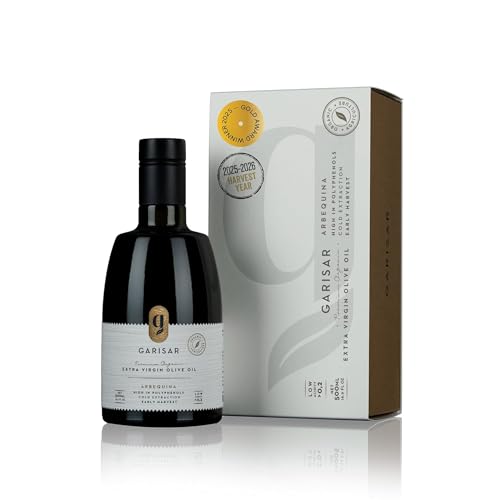
HIGH POLYPHENOLS: Polyphenol content more than 250mg / kg is considered is high polyphenol olive oil and it is where we can talk about the benefits. Most effective way to increase your polyphenol intake is to consume high level polyphenol rich olive oil which we present proudly. Love yourself and love your body! With its subtle nuts and fruit notes gives you the pleasure of knowing where you acquire your most significant part of diet.

HEALTH IN ITS PUREST FORM 2025 edt.: Experience rich, authentic history & nutrition in its purest form. Our 100% Pure & Natural EVOO, is very early harvested, & cold extracted from handpicked unripe olives. Originating from high altitude olive groves of Olympia & Athinolia varieties, located in a mythical since Antiquity region, the legendary Arcadian Mountains in Peloponnese, Greece. The land where Ancient Secrets meet Ultimate Nutrition & the olive tree has divine value, since Antiquity.

Cypress & Alabaster was founded on the belief that creating a welcoming, healthy environment shouldn't harm our planet. Creating the first US-based, hand-crafted artificial trees made with real moss accents and locally-sourced, ethically-harvested real wood trunks, we replace fake plastic trunks that contribute to landfills. And we bring a more authentic, natural beauty to your home or office spaces while reforesting the US National forest by planting a real tree for each one you buy!
Growth Factors Influencing Olive Tree Development

Successful olive tree growth depends heavily on specific environmental factors that interact below and above the ground. Olive trees’ root systems mainly occupy the soil layer between 20 and 40 cm deep, where soil health directly influences nutrient uptake and stability. Soil nutrient availability and beneficial microorganisms support root adaptation after initial growth declines. As climate changes bring temperature shifts and moisture variability, management practices such as regulated deficit irrigation help optimize water use and support physiological processes like flowering and fruiting. Different olive cultivars also respond uniquely to these stressors, so selecting appropriate varieties improves resilience. Maintaining consistent soil quality through organic matter addition and careful water management is crucial. This holistic approach guarantees that olive trees can develop steadily despite evolving environmental challenges. Choosing a fertilizer with a balanced NPK ratio of 8-8-8 ensures that olive trees receive essential nutrients for healthy growth and fruit production.
Recommended Products

ULTIMATE ANTIOXIDANT PROTECTION: Carbon 60 helps lift the oxidative burden at the cellular level, which is the main cause of aging and cellular damage. C60 scavenges free radicals and optimizes mitochondrial function, which allows the body to heal naturally and may slow the aging process. C60 Purple Power promotes a balanced immune response, skin vitality, and hair growth
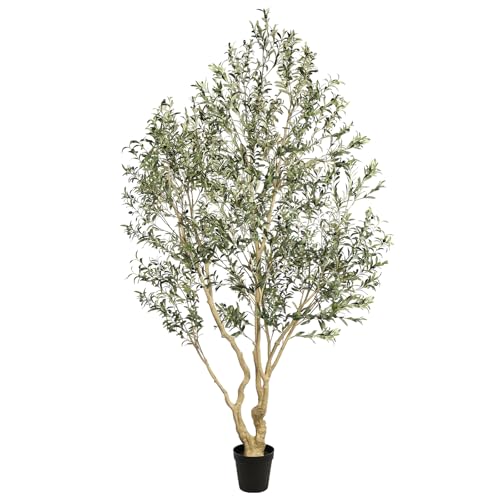
【Incredibly Lifelike Looking】This fake olive tree designed with realistic looking plant with vibrant colors, and true to life texture details.Under the illumination of the light, creating a natural and comfortable atmosphere, bringing you comfort and adding color to your room. it is recommended to place the realistic olive tree in a larger pot to better showcase its uniqueness and naturalness
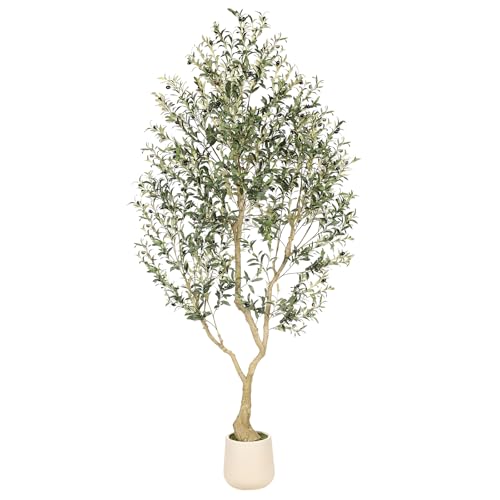
【Exquisite and Quality Planter】This artificial olive tree come with 11 inch tall planter, which has been meticulously designed and sized to seamlessly complement our faux olive tree,striking the ideal balance between aesthetics and functionality. You don't need spend extra time and money on it
Impact of Environmental Conditions on Olive Performance

When temperatures drop below freezing, young olive trees face a high risk of damage or death, especially certain cultivars like ‘Arbosana’ and ‘Koroneiki’. In olive farming across the Mediterranean basin, fluctuating temperatures disrupt flowering, reducing oil yield considerably. Prolonged heat stress causes premature fruit drop, which further diminishes harvests and oil quality. Olive trees thrive best between 15°C and 30°C, so temperatures exceeding 35°C can stress plants and affect fruit development. While ‘Arbequina’ shows better cold tolerance, all cultivars suffer if exposed to temperatures below -2°C for several hours. Managing irrigation and shading during heat waves can mitigate some heat stress effects. Regular inspections and treatments can help prevent common pests that often exploit stressed olive trees. Understanding these environmental impacts allows growers to optimize cultivation practices and maintain steady oil production despite variable weather conditions.
Recommended Products

Solid Brass Construction: Sturdy, strong, and well constructed brass landscape lighting. Made to last, holds up well, won’t rust easily, and saves on repair. The high end landscaping brass landscape lights blend into your landscape and looks great with your home's style
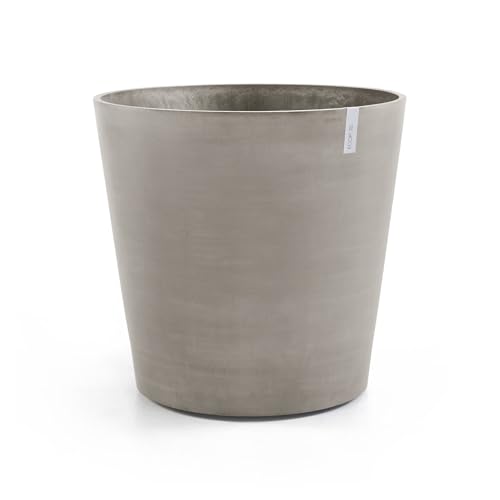
Measures 23.5" Outer Diameter x 22.25" Inner Diameter x 16.75" Bottom Diameter x 22" Height - Designed to leave room for root development and optimal growth
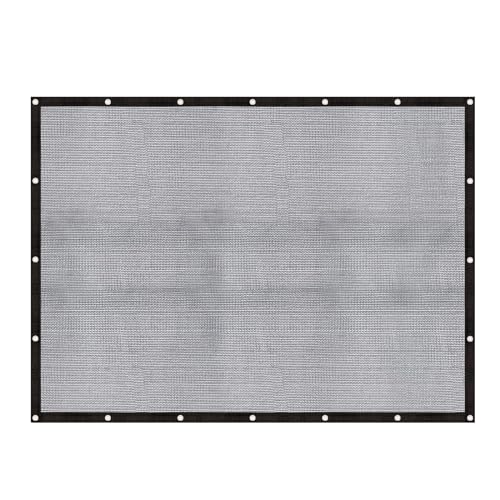
【Open-Weave & Airflow】Different from standard shade cloth, our round monofilament open-weave design prioritizes airflow and visibility over heavy shading — perfect as a barrier against birds, mosquitoes, and insects, for pool covers, plant ventilation, and more. Light shade lets air and light pass through without blocking everything.
Root Growth Dynamics and Soil Interactions

Environmental conditions above ground affect olive tree health, but the unseen root system plays an equally important role. In Olea europaea L, root growth dynamics vary greatly by cultivar with differences in root length, diameter, and depth adapting to specific soil conditions. Approximately 80% of root growth occurs between 20 and 40 cm deep, a critical zone for nutrient uptake and irrigation. Soil interactions change with climate patterns, influencing moisture, pH, and nutrient availability, which in turn affect root development. Using minirhizotron technology, researchers observe these roots without damage, noting a decline in total root length from 4 to 9 months after transplanting, then stabilization from 9 to 20 months. This highlights a key phase requiring adaptive management to support root establishment effectively. Additionally, maintaining a slightly alkaline soil with pH between 7 and 8 is essential for optimal nutrient absorption and olive tree growth.
Responses of Olive Trees to Temperature Extremes
A key factor in olive tree survival is how they handle temperature extremes. Olives face damage when frost dips below 29°F, especially young trees below 22°F and mature ones below 15°F. Among cultivars, ‘Arbequina’ withstands cold better than ‘Arbosana’ and ‘Koroneiki’ during harsh winters. Rising temperatures bring their own challenges; high temperatures cause physiological stress, leading to early fruit drop and lower olive production. This stress disrupts flowering, essential for a good harvest. Additionally, wide temperature swings interfere with flower development and seed germination. Curiously, olives in warmer winters shift from growth inhibition to flower development faster, hinting at natural adjustment to rising temperatures. Understanding these temperature responses helps explain how olives survive and produce in varying climates without discussing management strategies yet. Furthermore, olive trees thrive outdoors year-round in USDA zones 8-11 and tolerate temperatures down to about 15F (-9C).
Recommended Products

RESTRICTIONS - If you live in Arizona and order this tree, your order will be canceled.
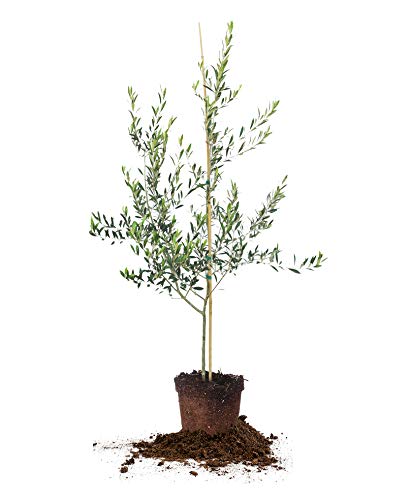
💚 Includes special blend plant food & Planting Guide

🌿 live 3-4ft Olive tree comes with easy to use plant food and produces edible olives within the first year of planting!
Adaptation Strategies for Managing Climate Challenges
Farmers improve olive tree resilience by selecting weather-resistant varieties that thrive under climate stress. These varieties tolerate temperature swings from -7°C to 45°C and resist drought by reducing water loss through smaller leaves. Incorporating drought-resistant olive varieties allows orchards to sustain productivity with less than 300 mm of annual rainfall. Advanced orchard management practices, like cover cropping with legumes, enhance soil nitrogen and prevent erosion. Regulated deficit irrigation delivers 50-70% of full crop evapotranspiration between fruit set and harvest, optimizing water use without stressing trees. Precision irrigation using soil moisture sensors helps apply water only when necessary. Sustainable farming practices include minimizing chemical inputs and promoting biodiversity to improve ecosystem health. Together, these strategies help farmers maintain steady yields while adapting to diverse climate challenges effectively. Using durable 5-gallon olive tree pots with proper drainage also supports healthy root development and tree resilience in changing climates.
Future Directions for Olive Cultivation in Changing Environments
Looking ahead, olive cultivation must adapt to new climate realities by embracing cutting-edge methods and expanding into unconventional areas. Farmers plant olives in Oregon and Texas now, where warmer summers and lower rainfall match the trees’ adaptability. Selecting weather-resistant varieties increases resilience against climate challenges like drought and heat above 35°C. Research into genetic diversity helps identify cultivars that tolerate extreme conditions while maintaining yield and quality. Precision agriculture technologies, such as smart irrigation systems, optimize water use with sensors measuring soil moisture every 10 cm, adjusting drip irrigation schedules accordingly. Regulated deficit irrigation reduces water by up to 30% without harming fruit size. Together, these approaches make it possible to sustain olive farming in changing environments with less water, more efficiency, and better long-term viability. Additionally, drought-tolerant varieties like the Coratina Olive Tree provide an essential foundation for low-maintenance and water-efficient olive cultivation in these evolving climates.
Frequently Asked Questions
What Are the Adaptations of the Olive Tree?
Olive trees adapt through extensive root systems optimizing moisture uptake, exhibit drought resistance by conserving water, demonstrate pest tolerance variably among cultivars, and adjust flowering times to cope with temperature variations, ensuring survival and productivity in diverse environments.
What Climate Zones Do Olives Grow In?
Despite their stubborn preference for Mediterranean climates, olive cultivation methods and climate impact have expanded regional olive production beyond traditional zones. Select olive tree varieties now survive in Texas and Oregon, ironically thriving where frost once threatened them.
How Has the Olive Tree Adapted to Survive in the Mediterranean?
The olive tree’s Mediterranean resilience stems from drought tolerance, deep root systems, and soil preferences suited to dry, rocky environments. Its heat resistance and small, leathery leaves minimize water loss, enabling survival in hot, arid Mediterranean climates.
Can an Olive Tree Survive in Zone 7?
An olive tree can survive in Zone 7 due to its olive tree resilience and improved cold tolerance. However, zone 7 suitability depends on winter care, including site selection, frost protection, pruning, and soil management to guarantee successful cultivation.


