As an Amazon Associate, we earn from qualifying purchases. Some links on this site are affiliate links at no extra cost to you. Our recommendations are based on thorough research and editorial judgment.


Espalier Techniques for Training Olive Trees Along Walls

Espaliering olive trees involves training branches horizontally along walls with sturdy wires spaced 16 to 24 inches apart. Start by selecting compact varieties like Arbequina or Koroneiki that suit your climate. Position the tree 4 to 6 inches from well-drained soil against a solid wall receiving 6 to 8 hours of sunlight daily. Prune every 6 to 8 weeks, cutting just above buds to encourage lateral growth. Proper structure improves air circulation and fruit yield. Following this method reveals further tips on maintenance and challenges.
Key Takeaways
- Install horizontal trellis wires 16 to 24 inches apart on a solid wall to guide olive tree branch growth for espalier training.
- Start training with a single main trunk and prune just above buds to encourage lateral branch growth along wires.
- Plant olive trees 4 to 6 inches from the wall in well-drained soil with 6-8 hours of daily direct sunlight.
- Regularly prune every 6 to 8 weeks to maintain shape, improve airflow, and boost fruit production in espaliered olive trees.
- Maintain a 4 to 6 inch gap between branches and the wall to ensure proper air circulation and prevent fungal issues.
Benefits of Espaliering Olive Trees
Although olive trees naturally grow wide, espaliering redirects their growth vertically, making them perfect for small gardens or narrow urban spaces. Espaliering olive trees maximizes vertical space, often less than 6 feet wide, allowing gardeners to use narrow walls efficiently. This controlled growth improves air circulation and sunlight exposure, which are critical for healthy fruit production and reducing disease risk. Regular pruning every six to eight weeks maintains the tree’s shape along decorative walls and encourages focused energy on fruit yields. The technique also creates natural privacy screens without crowding the garden. Maintenance involves removing suckers and unwanted shoots, which supports longevity and vigor. Overall, espaliering olive trees balances aesthetics with productivity, making it a practical method for gardeners seeking both decorative appeal and efficient fruit harvest in limited spaces. It is also important to select olive tree varieties such as Arbequina that are well-suited for espalier due to their manageable size and fruiting habits.
Selecting Olive Tree Varieties for Espalier

Espaliering olive trees works best when you start with the right variety. Choose types like ‘Arbequina’ for its compact growth and early fruiting, ideal in narrow spaces under 6 feet wide. ‘Frantoio’ suits those wanting rich flavor and high oil yield, while adding garden appeal. ‘Koroneiki’ offers hardiness and versatility, producing fruit suitable for oil and table use. Make sure varieties match the local climate—olive trees thrive in regions with hot, dry summers above 85°F and mild, wet winters above 40°F. Regular pruning and shaping during the first three years are essential for maintenance and design control. This keeps growth manageable and supports healthy fruiting. Selecting appropriate varieties simplifies routine care and leads to a successful espalier display, blending utility with visual charm. Additionally, using high-quality olive wood products can enhance the aesthetic integration of your olive espalier display into outdoor kitchen or entertaining spaces.
Recommended Products
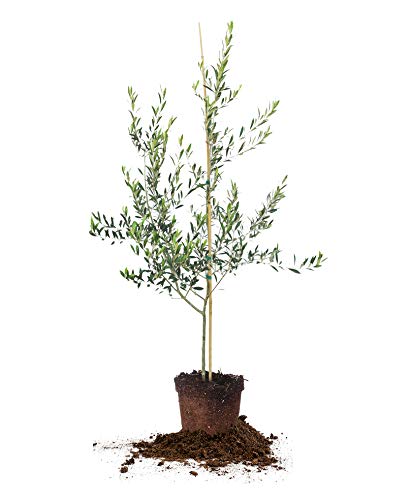
💚 Includes special blend plant food & Planting Guide

🌿 live 3-4ft Olive tree comes with easy to use plant food and produces edible olives within the first year of planting!

Gorgeous Landscaping Addition: The Arbequina Olive Tree not only produces table olives, but it's also used to make olive oil. This tree offers evergreen beauty and fragrant spring blooms to go along with its succulent fruit. Plus, it's self-fertile and bears fruit earlier than any other olive tree
Designing Espalier Patterns Suitable for Olive Trees

When designing espalier patterns for olive trees, starting with a single main trunk makes the training process much easier. The most common espalier technique involves a simple cordon style, where branches grow horizontally along the wall. This pattern maximizes sunlight exposure, crucial for fruit production. Guide wires spaced 16 to 24 inches apart help frame the branches while allowing good air circulation. Pruning plays a critical role; cut just above buds to encourage lateral growth in a structured pattern. Regular pruning maintains the flat shape and prevents overcrowding. Olive trees prefer well-drained soil and sunny locations with at least 6 to 8 hours of direct sunlight daily. Proper training and pruning guarantee healthy branches and optimize fruit yield in the constrained espalier form against a wall. For those seeking alternatives, artificial olive trees offer maintenance-free greenery with realistic designs that thrive with minimal upkeep.
Preparing the Wall and Installing Support Structures

Selecting the right wall surface is essential for training olive trees in espalier form. Choose a solid wall or fence made of brick, stone, or wood for proper support. Before planting, outline the arrangement on the wall with chalk to map the olive tree’s growth pattern. Install support structures by fastening horizontal trellis wires spaced 16 to 24 inches apart. Use lag shields and eyebolts to fasten the trellis securely, keeping a 4 to 6 inch gap for air circulation behind the branches. Position the first wire 18 to 24 inches above the ground to guide the tree’s vertical growth and enable layering as it matures. Proper spacing and a well-prepared surface help maintain the olive tree’s outline arrangement while encouraging healthy development. Additionally, using adjustable grow lights can support olive tree health indoors by providing optimal light conditions throughout its growth stages.
Recommended Products

Material: Crafted from durable BPA/phthalate-free embossed vinyl
Crafted from sustainably sourced FSC-certified cedar, completed with galvanized steel hardware

Heavy-duty footlocker storage tote provides ample space for storing your personal items
Planting Olive Trees for Optimal Espalier Growth

Planting olive trees for espalier requires careful attention to site conditions and spacing. Choose a location that receives 6 to 8 hours of direct sunlight daily, vital for healthy growth and fruiting. Select well-draining soil to avoid waterlogged roots, since olive trees prefer dry conditions. When planting, position the root ball 4 to 6 inches away from the wall to guarantee proper airflow and reduce moisture buildup. Establish a sturdy support using trellis systems or wires, starting the lowest wire 18 to 24 inches above ground. This setup promotes lateral growth, allowing branches to train horizontally and maintain a flat shape. Regularly prune after flowering to reinforce this structure, but pruning details come next. Proper planting lays the foundation for successful espalier training along walls. Olive trees thrive in well-drained soil, which is essential to support their health and fruit production.
Recommended Products

Package Contents: 30pcs PVD black 316 stainless steel crosshead standoffs; 1/8in x 150ft PVC-coated 316 stainless steel wire rope; 30 plastic expansion anchors; 30 washers; 120 PVC end caps; plant ties; masonry drill bit; Allen Key; spanner; instruction manual with trellis system calculator

Package Contents - 30pcs crosshead hubs(for 1/8" cable), 150' x 1/8" wire rope, 30 plastic expansion anchors, 30pcs washers, 120 PVC end caps, a small bundle of plant ties, 1 masonry drill bit, 1 Allen key, 1 all-purpose spanner, 1 instruction manual, trellis system calculator included

Package Contents: 30 Cross Head Hubs, 30 Washers, 30 Plastic Expansion Anchors, 1/8” Dia 150 ft Wire Ropes, 1 Drill bit, 2 Allen Key, 1 Spanner, 1 Cable Cutter, 200 PVC End Caps, A Small Bundle of Plant Ties and 1 instruction manual
Pruning Techniques for Shaping Olive Trees
Although olive trees can tolerate various pruning times, dormant season pruning is best for shaping espalier forms. This timing promotes balanced growth and encourages branch development suited for training trees along walls. Begin by removing crossing or inward-facing branches to improve airflow and light penetration, essential for healthy fruit production. Cut back lateral branches to 6-8 inches from the main trunk to foster horizontal growth. Use selective pruning techniques regularly to trim excess growth and control height, preventing overcrowding. Secure branches gently to the support with ties or soft materials, adjusting them as the tree grows to avoid damage. These pruning techniques help maintain the desired flat structure and promote vigorous, well-spaced lateral branches that thrive in espalier training. Additionally, maintaining appropriate moisture levels in any propagation medium, such as sphagnum moss for moisture retention, is crucial when encouraging new growth.
Maintaining Health Through Watering and Fertilization
Proper watering and fertilization are essential for maintaining the health of espaliered olive trees. Water the tree consistently, providing about 1 inch weekly, especially during dry spells, to support healthy growth. Always check soil moisture before watering; olive trees prefer well-drained soil and do not tolerate waterlogged roots, which cause rot. Apply mulch around the base to retain soil moisture and regulate temperature. Fertilize annually in early spring using a balanced, slow-release fertilizer, typically 1 to 2 pounds per tree, adjusting based on tree size and soil quality. Regularly inspect leaves for signs of nutrient deficiencies, such as yellowing indicating low nitrogen, and adjust fertilization accordingly. Adequate watering and fertilization combined help keep espaliered olive trees vigorous and productive. Selecting a fertilizer with the appropriate NPK ratio ensures balanced nutrient supply tailored to olive tree growth stages.
Common Challenges and Solutions in Olive Tree Espalier
Frequently, gardeners encounter challenges when espaliering olive trees, but understanding common issues can streamline the process. Common challenges include poor fruit production and overcrowded branches reducing air circulation. Proper pruning every 6-8 weeks helps maintain healthy growth by removing unhealthy shoots and spacing branches 16-24 inches apart. Another issue is root rot caused by excessive moisture; planting trees slightly away from the wall aids draining soil and prevents waterlogging. Proper watering is critical—olive trees prefer deep, infrequent watering to avoid stress. Pests and diseases, such as olive fruit flies and fungal infections, threaten tree health, so timely pruning and monitoring are essential. Establishing a sturdy espalier structure with horizontal wires supports branch training and encourages balanced growth. These solutions together promote a thriving, productive olive espalier. Additionally, selecting the right olive tree variety for your local climate can significantly enhance espalier success and fruit yield.
Recommended Products

【Boosting plant health】:After installation, there is a 2-inch gap from the wall that effectively prevents moisture buildup and enhances airflow. The 7 x 7 stainless steel cable offers both aesthetics and a good grip surface for plants to climb up

【Boosting plant health】: After installation, there is a 1-inch gap from the wall that effectively prevents moisture buildup and enhances airflow. The 7 x 7 stainless steel cable offers both aesthetics and a good grip surface for plants to climb up

Package Contents: 30pcs PVD black 316 stainless steel cylindrical standoffs; 1/8in x 150ft vinyl-coated 316 stainless steel wire rope; 30 plastic expansion anchors (M8x40mm); 30 screws (M6x40mm); 120 PVC end caps; plant ties; masonry drill bit (M8); screw driver; Allen Key; spanner; instruction manual with trellis system calculator
Frequently Asked Questions
Can Olive Trees Be Espaliered?
Olive trees can be espaliered, enhancing space efficiency and aesthetic appeal along wall structures. Suitable olive varieties respond well to training techniques, promoting healthy growth patterns, improving plant health, facilitating harvesting methods, and adapting to climate considerations for ideal espalier benefits.
What Is the Difference Between Pollarding and Espalier?
Pollarding benefits include controlled size and vigorous growth through seasonal pruning techniques, promoting dense canopies. Espalier methods focus on tree aesthetics, training systems shaping flat growth for ideal light exposure, enhancing fruit production and wall protection with consistent maintenance.
What Is a Tree Trained to Grow Against a Wall?
A tree trained to grow against a wall resembles living latticework, optimizing space efficiency and sunlight exposure. Wall training involves pruning techniques, support structures, and maintenance tips to enhance tree growth, fruit bearing, and aesthetic appeal, inspiring unique garden designs.
How Far Apart Should Espalier Branches Be?
Ideal branch spacing ranges from 16 to 24 inches, balancing growth patterns and sunlight exposure. Effective training techniques and pruning strategies guarantee wall alignment, address moisture requirements, and enhance aesthetic appeal across different espalier varieties.


