As an Amazon Associate, we earn from qualifying purchases. Some links on this site are affiliate links at no extra cost to you. Our recommendations are based on thorough research and editorial judgment.

Seasonal Fertilization Schedule for Olive Trees

Olive trees benefit from a precise fertilization schedule starting with ½ pouch of 18-6-12 controlled release fertilizer in February. Apply micronutrients like boron and zinc every 4-6 weeks through October, especially when soil temperatures stay above 10°C. In April, add calcium to support flowering. Fertilize mature trees quarterly with 0.5-1.5 kg nitrogen during the growing season, while containers need monthly feeds. Consistent soil health checks and watering maximize growth. Following this guidance guarantees vigorous trees and better fruit production; more detailed steps follow.
Key Takeaways
- Apply ½ pouch of 18-6-12 controlled release fertilizer to each olive tree in February for early growth support.
- Fertilize mature trees quarterly with 0.5-1.5 kg nitrogen from April to September during active growth.
- Begin micronutrient feeding in early February every 4-6 weeks until October, focusing on boron, iron, and magnesium.
- Use potassium-based fertilizers in autumn to enhance winter hardiness and apply calcium in April for fruit set support.
- Adjust fertilization frequency by tree age: monthly for container trees and limited feeding for young trees during initial months.
February Fertilizer Application
Every February, olive tree growers should apply a precise ½ pouch of 18-6-12 controlled release fertilizer (CRF) to each tree. This fertilizer contains a balanced blend of nitrogen, phosphorus, and potassium, supplying essential nutrients for early growth. The controlled release formula allows nutrients to be available gradually over several months, avoiding nutrient overload and ensuring steady nourishment. Alongside this, applying a micronutrient feed supports crucial tree functions like photosynthesis and strengthens overall health. For best results, spread the fertilizer evenly beneath the tree canopy, keeping it a few inches away from the trunk to protect roots. This organic method aligns with sound tree care principles, energizing roots before the active growth phase starts. Timing and careful application make February a key month for setting up healthy growth. It is also important to monitor for signs of nutrient deficiencies regularly to adjust fertilization strategies accordingly.
Recommended Products

Package contains 160 evergreen fertilizer spikes and are produced to avoid wasteful runoff, mess, hazards and smells

Nutrients are encapsulated within multiple layers of polymeric resin
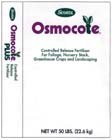
One of Scotts complete line of controlled fertilizers
March Fertilizer Application
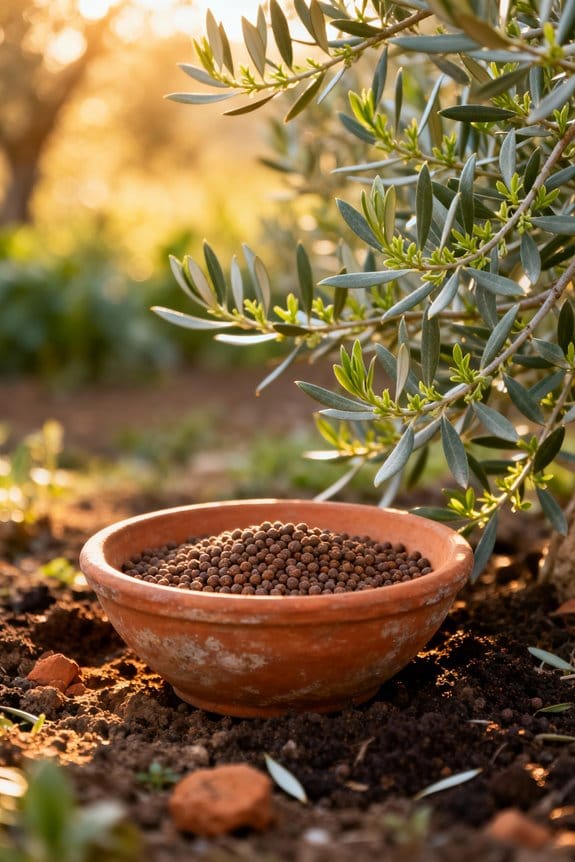
Three key steps mark the start of March fertilization for olive trees. First, gardeners should fertilize olive trees using a slow-release olive tree fertilizer with an 18-6-12 N-P-K ratio. This blend supports the active growth phase as trees emerge from dormancy. Second, guarantee the soil is lightly moist before applying fertilizer to improve nutrient absorption and prevent root burn. Third, apply a calcium nutrient solution via foliar spray or soil to enhance fruit production and reduce blossom drop. This marks the start of a six-month feeding cycle, supplying essential nutrients needed for shoot and leaf expansion during the growing season. Fertilizing in March is vital because it occurs before flowering and fruit set, promoting healthy blooms and maximizing olive fruit development. Additionally, including micronutrients like boron and zinc in the fertilization process helps prevent deficiencies that can adversely affect olive tree health and fruit quality.
Recommended Products

Composed of water soluble nutrients - Granular formula is coated with a film of plastic resin

Slow Release Fertilizer
Used for woody ornamentals during spring/summer
April Calcium Nutrient Treatment

Why is calcium so vital for olive trees in April? Calcium supports cell wall strength, significant during flowering and fruit set. A proper calcium level reduces blossom drop and boosts yield quality. For olive trees, applying calcium in April coincides with active growth, helping the fruit develop well. The treatment should be done both as a soil application and a foliar spray. Use about 5 kg of calcium nitrate per hectare dissolved in water and apply evenly. Soil application favors root uptake, while foliar sprays directly nourish the developing parts. Monitoring for calcium deficiencies is important; signs include leaf curl and poor fruit development. Timely application guarantees robust crop growth throughout the season. Following this schedule will improve fruit set and overall health of olive trees efficiently. Combining calcium treatments with fertilizers containing essential micronutrients can further enhance tree vigor and fruit yield.
Recommended Products

ACCELERATE PLANT GROWTH & VIGOR: Experience explosive growth with Supply Solutions Calcium Nitrate! Our 15.5-0-0 formula delivers readily available Nitrate Nitrogen for rapid vegetative development and lush, green foliage, while the essential 19% Calcium builds strong cell walls from root to tip. It's the ideal fertilizer for jumpstarting your vegetables, fruits, and ornamentals for a healthier, more productive garden.

Package: You will receive 12 lb of Calcium Nitrate Fertilizer (N-P-K: 15.5-0-0). This high-Nitrogen with Calcium, easy-to-use formula is perfect for all plants in need of nutrients, efficiently promoting steady growth and serving as an ideal source of plant nutrition.
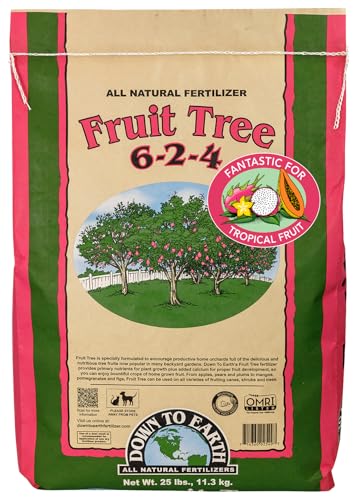
Down to Earth Fruit Tree is a twenty-five pound bag of all natural fertilizer with 6-2-4 formula and is listed by the Organic Materials Review Institute (OMRI) for use in organic production
Micronutrient Feeding From Spring to Fall
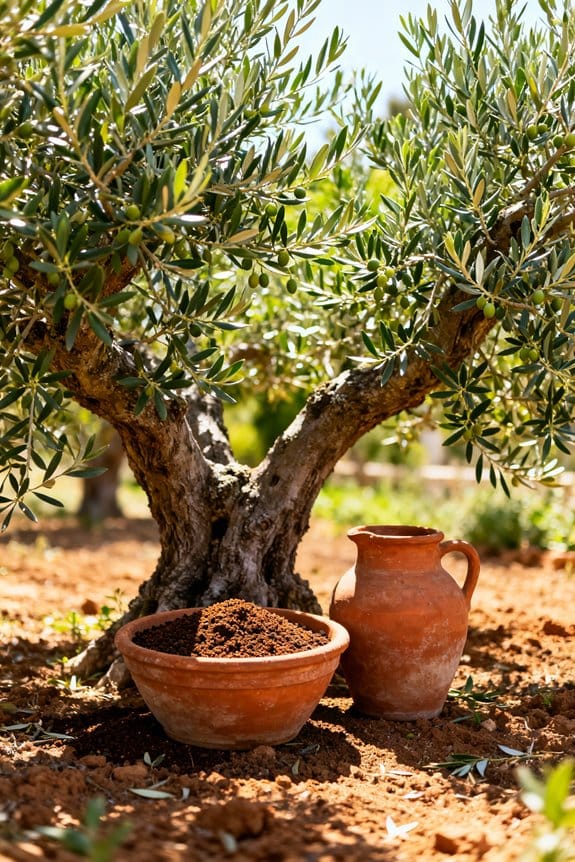
Micronutrient feeding begins in early February, just as olive buds start to swell. For young trees, applying a balanced micronutrient mix every 4-6 weeks until October supports healthy growth. Key nutrients such as boron, iron, and magnesium are essential for flower development and fruit formation. It’s best to use 0.1-0.2% foliar solutions or soil drenches containing these minerals. Regular feeding guarantees trees grow vigorously and maintain peak leaf color. Applying a calcium solution in April enhances fruit set and reduces blossom drop. This steady micronutrient supply helps olive trees resist disease and environmental stress during their active growth. Monitoring soil temperature to stay above 10°C aids nutrient uptake. Consistent feeding throughout spring to fall is critical for nurturing stronger, more productive olive trees. Using organic seaweed and kelp fertilizers can further enhance soil biodiversity and improve nutrient availability during this period.
Recommended Products

🌿 Balanced 10-10-10 Granular Fertilizer for Outdoor & Indoor Plants: All-purpose plant food with 10% Nitrogen, 10% Phosphorus, and 10% Potassium. Perfect for outdoor vegetable gardens, fruit trees, evergreens, shrubs, lawns, and flowers. Also great for potted plants and indoor gardening. One solution for all your plant needs!

Full of Micro Nutrients for adding in Micros

Balanced 10-10-10 NPK Formula: A 10% nitrogen, 10% phosphorus, and 10% potassium blend ensures steady growth for lawns, gardens, and crops. Nitrogen fuels lush foliage, phosphorus boosts blooms/fruits, and potassium strengthens roots. Ideal for year-round use without nutrient overload.
Summer Hydration and Nutrient Supplements
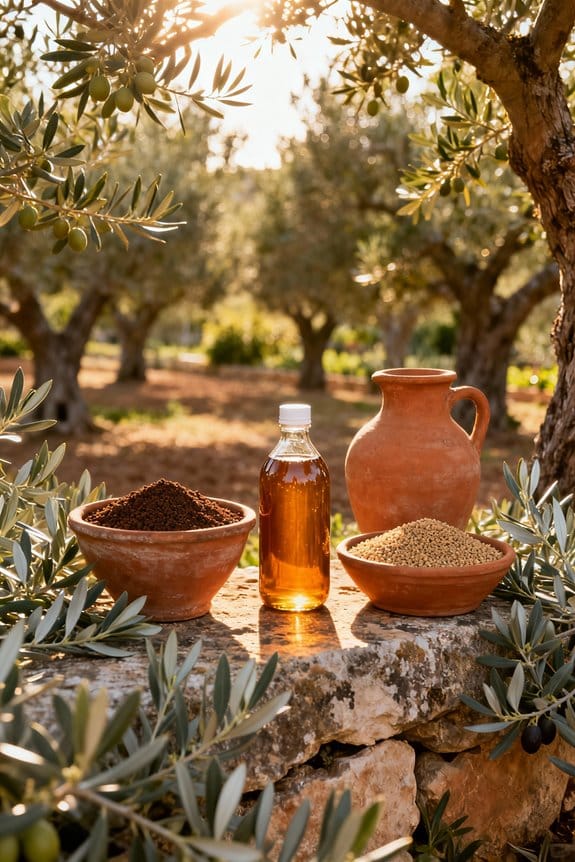
Typically, during the summer months from June through August, olive trees need regular watering combined with nutrient supplements every two to three weeks. Summer hydration involves watering deeply once a week, adjusting frequency if temperatures exceed 90°F. Weekly misting helps reduce heat stress in dry conditions. In mid-June, applying a Cal-Mg solution improves leaf health and overall vigor. July requires a light micronutrient feed alongside consistent watering to maintain nutrient balance, supporting new shoots and fruit growth. By August, introducing a slow-release fertilizer with an 18-6-12 formulation guarantees steady nutrient delivery as trees prepare for fall. These measures support healthy foliage and fruit development throughout summer, balancing hydration and nutrient needs efficiently without risking overwatering or nutrient burn. It is important to ensure olive trees receive at least 6-8 hours of direct sunlight daily for optimal nutrient uptake and growth during these months.
Autumn Fertilizer Practices
As temperatures cool in autumn, olive trees benefit from tailored fertilizer practices that prepare them for winter. Applying potassium in early autumn strengthens winter hardiness, helping trees resist frost damage. Use about 50 grams of potassium sulfate per tree, spreading evenly around the dripline. It’s best to stop fertilization by mid-autumn to avoid stimulating tender new growth. A thin layer of organic mulch, about 5 cm thick, applied after fertilizing helps retain soil moisture and supports nutrient absorption as the weather cools. Monitor soil moisture carefully—water only when the top 10 cm of soil feels dry, since cooler temperatures reduce water needs. Autumn is also an ideal time to check trees for nutrient deficiencies, addressing any problems promptly to guarantee healthy growth next spring. Consider incorporating organic fertilizers to improve soil health and promote sustainable practices during this critical preparation phase.
Winter Rest Period for Olive Trees
While olive trees rest through winter, their growth slows considerably, allowing roots to recover and store energy for spring. During this winter rest period, the trees enter dormancy and require minimal care, with no need for fertilization since nutrient uptake is greatly reduced. It is vital to monitor soil moisture regularly, watering only when the top inch of soil dries out to avoid waterlogging which can damage roots. Temperatures should ideally stay above 28°F (-2°C) to prevent frost damage to leaves. This period supports root recovery and energy storage important for vigorous growth and oil production in the following season. Therefore, careful attention to soil moisture and protection from frost guarantees olive trees emerge healthy from their winter rest period. For outdoor trees, maintaining temperatures above 20°F with appropriate winter care such as wrapping and mulching is essential to their survival.
Fertilizer Types and Their Seasonal Uses
After the olive tree’s winter rest, feeding resumes to support new growth and fruit development. Early spring calls for slow-release fertilization using a granular formula with an N-P-K ratio close to 1:1:1, such as 18-6-12. This provides balanced nutrients essential for root establishment. From April to September, nitrogen-rich feeds like coffee grounds should be applied every 2-3 weeks, especially for potted olive trees, to promote vigorous growth and fruit production. In late summer, a second slow-release fertilizer application replenishes nutrients consumed during the growing season. Applying potassium-based fertilizers in autumn enhances winter hardiness, helping olive trees endure dormancy. To prevent micronutrient deficiencies, using micronutrient solutions every 4-6 weeks throughout the season supports overall tree health and nutrient balance. It is also important to complement fertilization with appropriate pest control measures to protect the harvest and maintain tree health.
Recommended Products

Package contains 160 tree and shrub fertilizer spikes and are produced to avoid wasteful runoff, mess, hazards and smells
💚 Includes special blend plant food & Planting Guide

CERTIFIED ORGANIC FORMULA — Made with 75% certified organic + 25% wildcrafted and naturally-derived ingredients. Sourced from artisan distillers and ethical suppliers. No fillers, no synthetic additives, no shortcuts.
Timing and Frequency of Fertilizer Applications
Because olive trees enter a dormant phase during winter, fertilizing should only occur in the active growing season from April to September. Timing is essential to avoid nutrient waste or plant stress. For mature trees, fertilization frequency can be quarterly, applying 0.5 to 1.5 kg of nitrogen per tree. Young trees need less; minimal fertilization is required during the first few months. Container-grown olive trees benefit from slow-release organic fertilizer, applied monthly during watering. This maintains steady nutrient availability without overwhelming root systems. The balanced nutrient ratio for fertilization is about 1:1:1 NPK, with each nutrient under 10% of total volume. Proper timing and frequency guarantee healthy growth and better fruit yield, while organic fertilizer enhances soil life and tree resilience over time. Additionally, using a well-draining soil mix conducive to olive tree growth helps ensure optimal nutrient uptake and health.
Managing Soil Health and Nutrient Balance
Maintaining soil health is key to growing productive olive trees, and regular soil testing makes this task manageable. Conduct soil tests annually to check nutrient composition, focusing on a balanced NPK ratio close to 1:1:1, with each element below 10%. This balance supports nutrient uptake and the trees’ health. Adding organic matter like composted manure every 2-3 years, roughly 50 kg per tree, improves soil structure and boosts nutrient availability. It’s important to water deeply during dry spells, especially for potted trees, to aid nutrient absorption. Fertilization schedules should adjust for tree age and growth stage to maintain nutrient balance. This approach strengthens roots and canopy, ensuring olive trees grow vigorously and produce abundant fruit throughout the season. Using potting mixes enriched with worm castings and compost can further enhance soil nourishment and promote healthy root growth.
Frequently Asked Questions
What Month to Fertilize Olive Trees?
Fertilizing olive trees is ideal from February through August to support olive tree growth. Proper fertilization timing addresses nutrient requirements and seasonal care, ensuring soil amendments enhance health while meeting specific developmental stages throughout the year.
Is September Too Late to Fertilize Trees?
September is generally too late to fertilize due to reduced nutrient absorption timing and cooler soil temperature effects. Effective fall fertilization techniques prioritize late season care that avoids stimulating vulnerable tree growth response, protecting overall tree health.
What Is the Best Fertilizer for an Olive Tree?
The best fertilizer for olive trees combines organic options with balanced nitrogen ratios, ensuring proper mineral balance. Slow-release fertilizers or custom blends enriched with micronutrients optimize growth and fruiting, catering to both soil health and tree nutrition effectively.
How Are Olive Trees Fertilized?
Olive trees are fertilized through soil amendments and foliar feeding to address nutrient deficiencies. Organic options such as blood and bone meal are common. Effective fertilization techniques include targeted application based on soil analysis for ideal nutrient uptake.


