As an Amazon Associate, we earn from qualifying purchases. Some links on this site are affiliate links at no extra cost to you. Our recommendations are based on thorough research and editorial judgment.


Window Placement Strategies for Indoor Olive Trees

Indoor olive trees need six to eight hours of direct sunlight, so placing them near south-facing windows is ideal. Avoid north-facing windows as they don’t provide enough light. In winter, move trees closer to the glass but watch for cold drafts. Use sheer curtains to soften intense sunlight in summer, keeping temperatures between 65°F and 80°F. Rotate the tree weekly for even growth. Supplement light with full-spectrum LEDs during darker months. There are more ways to optimize these conditions for your olive tree.
Key Takeaways
- Place indoor olive trees near south-facing windows for six to eight hours of intense daily sunlight.
- Use east-facing windows for supplemental morning light but avoid north-facing windows due to insufficient light.
- Adjust window treatments seasonally, removing heavy curtains in winter to maximize sunlight exposure.
- Position trees away from cold drafts and avoid overheating by managing distance from windows throughout the year.
- Supplement natural light with full-spectrum LED grow lights 12-24 inches above the tree during low-light months.
Importance of Sunlight for Indoor Olive Trees
Although some houseplants tolerate low light, olive trees demand much more. An olive tree needs at least six hours of direct sunlight every day to stay healthy. Indoor olive trees placed near south-facing windows receive the strongest and most consistent sunlight. This exposure is essential for proper fruit production and overall health. Without enough sunlight, the tree may grow slowly and fail to produce olives. If a south-facing window is unavailable, the brightest window is the next best option, though fruit yield might decrease. Monitoring sunlight exposure is important—too little light weakens the tree and makes it susceptible to pests. Ensuring that olive trees get six to eight hours of sunlight daily supports their growth and resilience inside the home. Additionally, pruning practices can enhance light penetration, further benefiting indoor olive trees.
Choosing the Best Window Orientation

When selecting a window for an indoor olive tree, the orientation matters greatly because sunlight quality and duration vary throughout the day. For an olive tree indoors, south-facing windows provide the best window placement, delivering at least six hours of direct sunlight. This consistent light quality supports healthy growth and fruit production. East-facing windows also supply direct sunlight, mainly in the morning, though it may be insufficient light over the entire day. Avoid north-facing windows since they usually don’t offer enough light. Monitoring the tree’s response helps identify if adjustments are needed—especially in winter when daylight hours drop. Moving the tree closer to a brighter window guarantees it receives adequate sunlight, which prevents leaf drop and stunted growth common with low light exposure. Maintaining sufficient light for indoor trees ensures their overall health and vitality.
Recommended Products
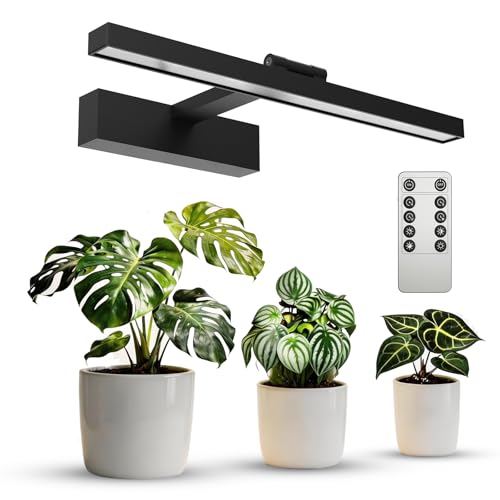
4/8/12 HRS REMOTE TIMER & 4 DIMMING LEVELS: This plant light comes with a remote control with 3 modes cycle timing function which stays on for 4/8/12 hours and off for 20/16/12 hours. The Grow lights for indoor plants full spectrum offer 4 level brightness settings to different plants requirements ranging from 25%, 50%, 75% to 100%

HIGH EFFICIENCY & ENERGY SAVING: PPFD: 180 μmol/s/㎡@1ft. Through the lens for secondary scientific light distribution, improves light utilization, giving plants more supplementary light. Using only 35 watts of power, equivalent to 350 watts incandescent bulbs. The lamp head can be rotated 90 degrees freely, making it more convenient and efficient.

2026 UPGRADED HIGHLY-REFLECTIVE HOOD LED LIGHT: The upgraded white reflector design on TS1000 grow light is patented, With a refraction angle of 120°, increases the light utilization rate by 25%, to enhance its light intensity as well as assist plants in absorbing more light
South-Facing Windows and Olive Tree Growth
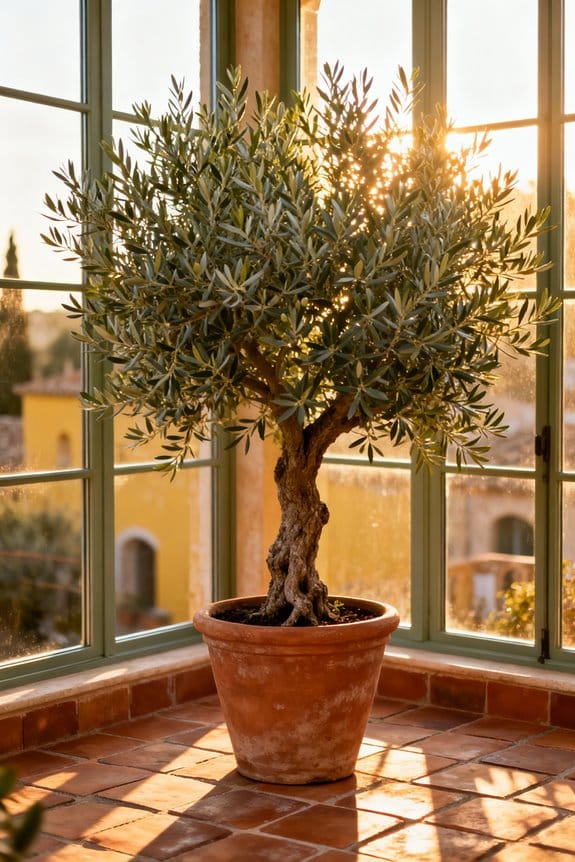
South-facing windows offer olive trees the brightest and most consistent sunlight indoors, typically around six to eight hours each day. This exposure to full sun is essential for olive tree growth. Placing an indoor olive tree near a south-facing window mimics its native Mediterranean environment, ensuring ideal leaf health and preventing yellowing or stunted growth. The warmth generated by these windows helps sustain an ideal indoor temperature range of 65°F to 80°F, which supports the olive tree’s vitality. Consistent direct sunlight not only encourages robust foliage but also increases the likelihood of fruit production in mature specimens. As a result, selecting a south-facing window is one of the best strategies to promote the overall health and development of an indoor olive tree. Additionally, maintaining well-draining soil conditions similar to sandy loam soil optimizes root health and nutrient uptake indoors.
Recommended Products

FEEDS UP TO 6 MONTHS: Miracle-Gro Potting Mix is a gardening soil for outdoor containers that feeds all types of potted plants, including flowers, vegetables, shrubs, annuals, and perennials for up to 6 months

🌱Better Material: We have combined a Zinc, Magnesium, and Aluminum coated steel with our award-winning and USDA standard AkzoNobel paint to develop a new material which we call VZ 2.0. The first material of its kind is 100% safe, eco friendly, with a long 20+ year life. VZ 2.0’s exceptional performance has been verified at the Texas A&M National Corrosion & Materials Reliability Lab

🌱Better Material: We have combined a Zinc, Magnesium, and Aluminum coated steel with our award-winning and USDA standard AkzoNobel paint to develop a new material which we call VZ 2.0. The first material of its kind is 100% safe, eco friendly, with a long 20+ year life. VZ 2.0’s exceptional performance has been verified at the Texas A&M National Corrosion & Materials Reliability Lab
Alternative Window Options for Limited Sunlight

If ideal sunlight is limited, an east-facing window can provide your olive tree with beneficial morning light for about three to five hours daily. South-facing windows remain the best choice, offering 6 to 8 hours of direct natural light. When those are unavailable, supplementing light with grow lights set to 12-18 inches above the foliage guarantees sufficient exposure. Reflective materials like white walls or mirrors placed around the plant can increase light intensity by 10-15%, boosting growth in darker areas. If only indirect sunlight is present, positioning the olive tree near sun-loving plants creates a microclimate that retains warmth and humidity, supporting development. Monitoring the daily light duration with a light meter helps confirm the olive tree receives adequate illumination despite limited window options. Additionally, using grow lights with full spectrum LEDs can mimic natural sunlight and enhance photosynthesis for healthier indoor olive trees.
Recommended Products
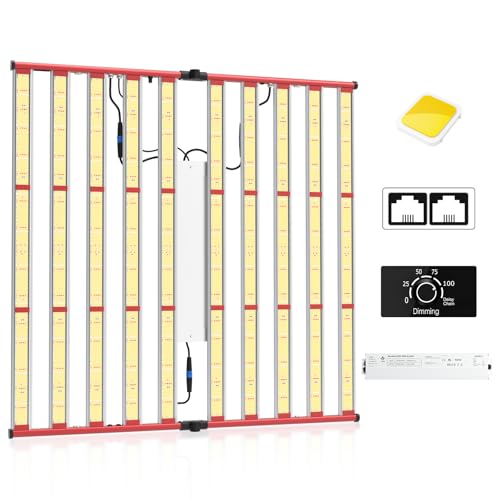
✔【FULL SPECTRUM GROW LIGHT】- AGLEX 1000W LED grow light full spectrum consists of 3000K warm light, 5000K white light, 460nm blue light, 660nm red light, 730nm IR light, and 405nm UV light, similar to natural sunlight. It's an excellent full-spectrum grow light for indoor plants, vegetative and flowering stages, 6x6ft growing area

【High Efficiency and Low Energy Consumption】- SZHLUX LED Grow Light utilize the latest in high yielding LEDs technology diodes, high Energy Efficiency with 2.9 Umol/J, delivers powerful light output and uniform canopy penetration to resulting maximum higher yields. Actual power is 800W with 2304 LEDS, effective footprint is 7 x 7 ft.

【High-Efficiency & Energy-Saving Technology】The BESTVA BP LED light utilizes advanced LED technology to deliver powerful illumination and uniform light distribution, supporting the healthy growth of your indoor potted plants. Compared to traditional HPS lights, it saves up to 50% on energy, making it the perfect energy-efficient choice for home gardening, balconies, and small greenhouses.
Rotating Your Olive Tree for Balanced Development

Adequate light is important, but how the olive tree faces the light matters just as much. Rotating the olive tree every few weeks guarantees even light exposure on all sides, which promotes balanced growth and prevents one-sided development. To do this, rotate the tree 90 degrees each time. This helps maintain symmetry in leaf distribution and avoids lean growth where the tree reaches too much toward one direction. Place the olive tree in a sunny spot that receives at least 6 hours of direct sunlight daily for healthy growth. After rotating, monitor the tree’s response because its light intake changes temporarily. Consistently rotating the plant in a systematic way supports a strong and well-shaped olive tree indoors. Additionally, maintaining water pH levels between 6.0 and 8.0 is crucial for healthy root development and overall plant vigor.
Managing Temperature Near Windows
While olive trees thrive in sunlight, controlling the temperature near windows is equally important for their health. Positioning olive trees near south-facing windows provides ideal sun exposure, but the temperature must be monitored closely. Perfect indoor temperatures range from 65°F to 80°F; temperatures below 15°F near drafty windows can harm trees. During cold months, keep olive trees away from chilly drafts by placing them several feet from the window or sealing gaps to avoid sudden temperature drops. In summer, direct sunlight through a window can cause overheating, so it’s wise to adjust placement or use light curtains to moderate heat. Regularly checking temperature near the tree guarantees a stable environment, which supports consistent growth and reduces stress from extreme temperature fluctuations. Additionally, selecting artificial olive trees made with UV-resistant materials can help maintain vibrant foliage when placed near sunny windows.
Controlling Humidity Levels by the Window
Controlling humidity near the window supports the stable environment olive trees need. These indoor plants thrive with humidity levels between 40% and 60%, which prevents root rot and fungal issues. Proper window placement is essential, avoiding spots near kitchens or bathrooms where moisture spikes. Using a hygrometer helps monitor humidity precisely. If levels rise above 60%, a dehumidifier placed nearby effectively reduces excess moisture. Additionally, always verify olive trees are potted in well-draining soil to avoid soggy conditions that promote root rot. Lower humidity near a sunlit window recreates the dry air olive trees prefer, encouraging healthier growth. Regularly checking humidity and adjusting with a dehumidifier helps maintain consistent conditions, making window placement a key factor in the plant’s indoor success. For optimal growth, ensure your olive tree receives at least six hours of direct sunlight daily to complement proper humidity control.
Using Window Treatments to Optimize Light Exposure
When positioning olive trees indoors, effective window treatments can greatly impact light exposure. Olive trees need at least 6-8 hours of direct sunlight daily, so using sheer window treatments allows filtered sunlight while reducing harsh glare. South-facing windows provide ideal light since they capture sunlight throughout the day, which supports photosynthesis and healthy growth. It’s best to adjust window treatments seasonally; for example, removing heavy drapes in winter guarantees maximum light while sheer panels reduce cold drafts. Also, placing reflective surfaces like mirrors near windows enhances light distribution, increasing the sunlight the tree receives. Regularly clean windows and remove any obstructions to maintain clarity. These steps help promote ideal light exposure that olive trees require to thrive indoors. Additionally, 8-inch olive trees require proper soil mix to encourage healthy growth alongside optimal light exposure.
Recommended Products

Package: The package includes set of 2 elegant velvet curtain panels. Each luxury curtain measure 52 inch wide and 102 inch length. Each window drapes has 8 silver metal grommets with 1.6-inch inner diameter, fit well with most rods. Easy to hang, and slide smoothly.

Quality Chiffon - Sheer curtains are made of soft chiffon fabric, durable, environmentally friendly, lightweight and comfortable. Offer a high-quality touch, chiffon material make the panels more draped and aesthetic, adding a refreshing charm and airy feel to your room, make your room connect with the outside world, filled with the youthful breath of nature.
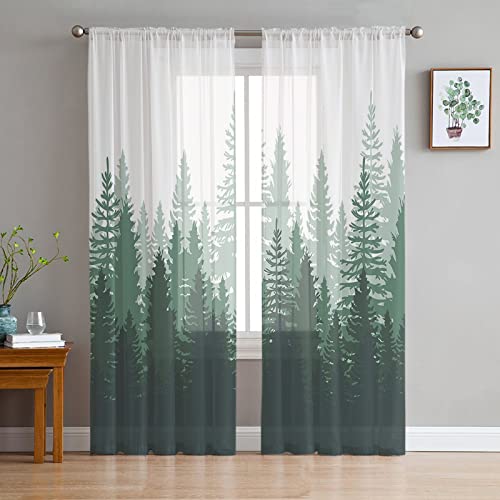
【Forest Window Curtains Size:】Each window curtain panel measures 52"W x 63"L and package includes semi sheer curtains 2 panels.Voile curtains with rod pocket are easy to install and slide.Not wrinkle,shrink,wear,tear,loose threads.
Supplementing Natural Light With Artificial Lighting
Often, natural light falls short for indoor olive trees, especially during shorter winter days. In such cases, using artificial light becomes essential. Full-spectrum LED grow lights are recommended because they emit light in the 400-700 nm range, promoting effective photosynthesis. Position these lights 12-24 inches above the tree to guarantee ideal light penetration without causing heat stress. Provide 12-16 hours of artificial light daily, adjusting the distance if the tree shows signs of overheating. It is important to monitor light quality regularly. Watch for indicators of light deficiency, such as slow growth or leaf drop. Adjust the duration and intensity of artificial lighting according to the olive tree’s response, particularly leaf health. This approach helps maintain healthy growth when natural sunlight is insufficient. Choosing suitable pot sizes with good drainage is crucial for success in container gardening.
Recommended Products

PREMIUM Foldable 1500W- LED lights specialty manufactured by Sinowell with Samsung LM301 diodes for FULL spectrum light, ideal for ALL STAGES of growth. Large 48x48 footprint for the best light spread and prenetration. Silent functions mean that no fans cause noise pollution in your home. 1500w output incentivizes low cost for the home and runs 50% less energy than “blurple” and other leading LEDs. UL, CE, ETL Certificated.

🌞 TRUE SUNLIKE SPECTRUM – The first LED grow light engineered to replicate a real CMH-style sunlight spectrum. Balanced White, Green, Dual Red (640nm + 660nm), Far Red, and optional UV deliver unmatched canopy penetration and plant performance.

Features Samsung LM301H EVO LEDs each rated at 3.14 µmol/J PPE, the highest efficiency of LM301B, LM301H, and Bridgelux 3030 chips.
Seasonal Changes and Adjusting Window Placement
Adapting to seasonal changes is essential for healthy indoor olive trees. These trees need 6 to 8 hours of direct sunlight daily, so adjusting placement is key as light shifts. During winter, move the olive tree closer to a south-facing window to capture low-angle sunlight. This window placement maximizes exposure when daylight weakens. In warmer months, placing the tree outdoors safely for a few hours helps it absorb stronger sunlight. Monitor sunlight angles regularly throughout the year and shift the tree as needed to prevent light deficiency. If natural sunlight falls short, especially in winter, supplement with grow lights for 10 to 12 hours daily. This combination supports steady growth and health despite seasonal changes. Careful adjustment guarantees the olive tree thrives indoors year-round. Additionally, placing the tree in a weighted pot can provide stability as it is moved seasonally to optimize sunlight exposure.
Frequently Asked Questions
What Are Common Problems With Indoor Olive Trees?
Common problems with indoor olive trees include pest infestations, leaf drop, poor growth, and overwatering issues. Additionally, inappropriate humidity levels, temperature fluctuations, and inadequate soil drainage contribute to stress, impacting overall tree health and importance.
Where to Place an Olive Tree Indoors?
An olive tree should be placed indoors near strong indoor lighting, with temperature control, appropriate humidity levels, suitable potting options, well-draining soil, consistent fertilization, and regular pruning techniques to guarantee healthy growth and fruit production.
How to Style an Indoor Olive Tree?
Styling an indoor olive tree involves selecting decorative containers with ideal sizes, applying proper potting techniques, adhering to specific soil requirements, following pruning methods, maintaining consistent watering schedules, and using targeted fertilization tips to promote healthy growth.
Do Indoor Olive Trees Need Direct Sunlight?
Indoor olive trees absolutely demand sunlight exposure; without at least six hours’ light duration, their growth patterns falter, leaf development ceases, and plant health declines. Proper window orientation fulfills their energy needs, sustaining importance and robust structure.


