As an Amazon Associate, we earn from qualifying purchases. Some links on this site are affiliate links at no extra cost to you. Our recommendations are based on thorough research and editorial judgment.


Training Olive Trees Into Bonsai Forms

Training olive trees into bonsai forms begins with pruning in early March, cutting new shoots back to two leaves to stimulate dense growth. Wiring with aluminum wire, applied in late spring, shapes pliable branches with minimal damage. Use a well-draining soil mix of 70% Akadama and 30% pumice to support roots. Maintain moisture around 20-30%, fertilizing bi-monthly at half strength. Select styles like formal upright or cascade to complement the trunk’s natural curves. The following tips cover styling and care essentials.
Key Takeaways
- Begin training olive bonsai with early spring pruning to shape and promote vigorous new growth.
- Use sharp pruning shears to trim new shoots back to two leaves for dense branching.
- Wire branches in winter or late spring with aluminum wire, removing it within 1-2 months to avoid bark damage.
- Plant olive bonsai in a well-draining soil mix of 70% Akadama and 30% Pumice for optimal root health.
- Choose styles like Chokkan or Moyogi that emphasize natural trunk curves and balanced branch tapering.
Understanding Olive Bonsai Growth Patterns
Observing olive bonsai growth starts in early spring when leaves vigorously emerge. During this period, the tree shifts into active growth, producing new shoots and foliage. Pruning is best performed in early March to shape the tree while encouraging healthy growth and aiding in branch development. Ramification occurs through regular pinching from April to October, where up to 80-90% of new shoot tips are removed to promote a dense, intricate branch network. Olive bonsai growth can include summer bursts if watering and fertilizing are adequate, usually at temperatures between 65°F and 85°F. It takes about five to six years for the trunk and branches to thicken and establish a desired framework. Patience and consistent care are essential to achieve a well-structured olive bonsai through defined pruning and careful ramification. Additionally, maintaining well-draining sandy soil supports optimal root health and overall tree vitality during these active growth phases.
Essential Tools for Styling Olive Bonsai
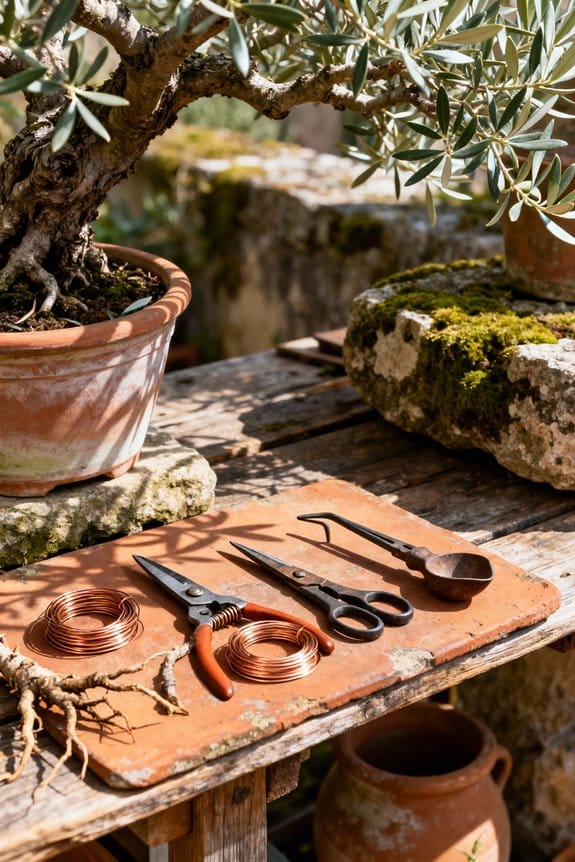
Styling an olive bonsai requires a specific set of tools designed to shape and maintain the tree carefully. Sharp pruning shears guarantee clean cuts, essential for controlling the bonsai’s shape and promoting healthy growth. Wire, made from aluminum or copper, bends branches gently without harming the bark. Using wire cutters helps remove or shorten excess wire safely, preventing damage. For larger cuts or trunk tapering, a fine-toothed saw works efficiently, making precise sections without splintering. Tweezers assist in removing small unwanted branches and growth, improving airflow and light access within the foliage. Each tool contributes to careful pruning and wiring tasks, which together keep the olive bonsai balanced and healthy while forming its characteristic miniature style. Proper tools make styling effective and protect the tree’s wellness. Maintaining the appropriate pruning schedule every 6 to 8 weeks is crucial to encourage bushiness and preserve the bonsai’s shape.
Recommended Products
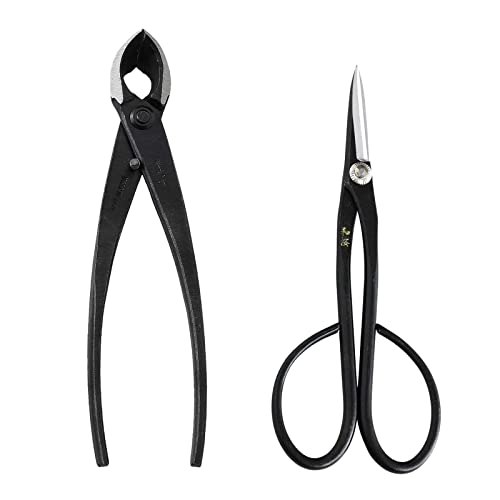
Package Include - 1 of Yasugi Steel Satsuki Bonsai Scissors, 1 of Concave Bonsai Cutters - All Made in Japan


[JAPANESE HAND PRUNERS] These traditional Japanese garden pruning shears are perfect for trimming garden trees, fruit trees, floral arrangements, Ikebana, bonsai, and other gardening tasks.
Timing and Techniques for Pruning Olive Trees

Prune olive bonsai trees in early March to set the stage for healthy spring growth. Begin by allowing new shoots to grow during the early growing season before cutting them back to two leaves. This pruning technique stimulates a second flush of smaller growth and improves branch ramification. Partial defoliation of 80-90% from the outer canopy can also be done carefully to encourage new growth. Avoid pruning in fall, as this may cause tender shoots prone to dieback in colder weather. After pruning, monitor the tree closely; allow secondary shoots to extend to 6-8 leaves before cutting back again to maintain desired size and shape. Proper timing and pruning techniques support the health of the tree and promote a balanced, dense bonsai structure. It is important to make cuts above outward-facing buds to encourage healthy growth and proper branch formation.
Wiring Strategies to Shape Olive Branches

Several key wiring strategies help shape olive bonsai branches effectively. Use aluminum wire for wiring olive trees because it minimizes bark damage. Perform wiring in winter after leaves drop or late spring after defoliation, when branches are more pliable. Avoid heavy branch bending during winter to reduce dieback risk in spring. Wrap the wire carefully around the branch at a 45-degree angle, starting from the base near the trunk, and work outward. Check the wiring every few weeks and remove it within 1-2 months to prevent the wire from cutting into the bark as the branch grows. Multiple rewiring sessions per year can be used to gradually contour the bonsai and improve branch ramification safely and effectively. Ensuring proper sunlight, such as placing the bonsai near a south-facing window, supports healthy growth and facilitates wiring adjustments.
Recommended Products

Aluminum wire, anodized coating

JAPANESE PRO BONSAI WIRE: It is a Japanese wire for bonsai training. It is a bonsai tool that professional bonsai artists also use. Please use a bonsai wire cutter when cutting.

Good Material: Bonsai wires are made of aluminium alloy and anodization process also gives the bonsai wires properties to make it much more resistant to corrosion. The coating is not easy to peel off at all with high quality to confirm rust free in long time. No any bad chemical smells to keep your healthy.
Soil and Substrate Recommendations for Olive Bonsai

Shaping olive bonsai branches only sets the foundation for healthy growth, but soil conditions directly impact the tree’s health. Olive bonsai thrive in a well-draining substrate, ideally a mix of 70% Akadama and 30% Pumice. This combination supports the root system by preventing waterlogging and root rot. For larger olive trees, soil particles should be around 4mm, while smaller shohin trees benefit from finer substrate. Coarse substrate guarantees proper air circulation around roots, essential for nutrient uptake. During repotting, a slightly water-retentive mix like the Aoki Blend helps maintain moisture in the growing season. Regular soil replacement every 3–4 years replenishes nutrients and promotes root health. Careful substrate choice is key for cultivating robust olive bonsai with strong root systems. Maintaining soil moisture at 20-30% with good aeration is critical to avoid root rot and encourage healthy growth.
Recommended Products

Fast draining and nurturing: Our succulent potting soil helps prevent root rot and overwatering. Bonsai Jack succulent soil mix is used to enhance bonsai and succulent plants, including Echeveria, Haworthia, Crassula, Lithops, Jade, Aloe and Crassula.

🌳 Created By Bonsai Experts: All-Purpose bonsai soil blend providing optimum growth for your bonsai trees.
🌳 Created By Bonsai Experts: All-Purpose bonsai soil blend providing optimum growth for your bonsai trees.
Repotting Guidelines and Root Management
Repotting an olive bonsai is essential every 3 to 4 years to prevent the roots from becoming pot-bound. This process is best done in early spring as buds begin to swell, which helps stimulate healthy growth. When repotting, first remove the tree from the bonsai pot and carefully rake out soil to expose the root mass. Trim any circling or unnecessary lower roots to encourage outward expansion and improve the nebari, or root flare. Use a coarse substrate mix like 70% Akadama and 30% Pomice for excellent drainage. Handle roots gently to avoid stress, and work in shaded, misted conditions to keep moisture levels stable. Proper root management during repotting supports strong development and longevity in olive bonsai. Additionally, using a well-drained soil mix during repotting is crucial to prevent waterlogging and promote root health.
Recommended Products

✅ 🌱 Enhanced Growth: Experience accelerated growth and vibrant foliage with our meticulously crafted blend of top-quality 100% natural ingredients.

【100% Natural Stones 】Our 3lb stones are mixed of red lava rock, black lava rock, maifanitum, and green mineral stones that provide essential mineral trace minerals for your plants to grow.

Specifically Formulated for Olive Trees: This potting mix is designed to replicate Mediterranean conditions, balancing moisture retention and drainage for strong roots and healthy growth, indoors and outdoors.
Watering Practices for Healthy Olive Bonsai
After managing the roots during repotting, attention must turn to watering practices that support overall health. Olive bonsai require daily watering during the growing season, especially when the soil surface line appears dry. It’s important to check moisture twice daily to avoid letting the soil get too dry. Watering should be directed to the soil, not the foliage, to prevent leaf burn and disease. When watering, continue until water drains from the pot holes, ensuring thorough hydration. During winter, reduce watering to once every 5-7 days, adjusting for humidity and temperature. Using a moisture meter can help monitor soil moisture precisely, guiding how much water is needed. Consistent moisture balance keeps olive bonsai healthy without overwatering risks. Selecting a moisture meter with an appropriate probe length ensures accurate readings at the root zone for optimal watering.
Fertilization Schedule and Nutrient Needs
Several factors influence the fertilization needs of olive bonsai, including the tree’s age and growth stage. The recommended fertilization schedule runs from March through October. Younger olive bonsai benefit from high-nitrogen synthetic fertilizers during early growth phases. In contrast, older trees respond better to milder organic fertilizers after growth hardens. Fertilizing at least once monthly supports ideal nutrient uptake, but reduce frequency as temperatures drop and growth slows. Foliar feeding with a water-soluble fertilizer can be sprayed every two months for extra nutrients. Use half the strength suggested on fertilizer packages to avoid root damage. Monitoring the tree’s response is key—adjust nutrient types and amounts based on specific olive bonsai health and development. Proper fertilization meets nutrient needs without overfeeding, ensuring balanced, sustained growth. Incorporating micronutrients like iron and zinc can help prevent deficiencies and support overall olive bonsai vitality.
Recommended Products

New Japanese Biogold Original Bonsai Fertilizer

🌳 COMPACT & CONTROLLED GROWTH – Specially designed 6-6-6 formula encourages lush foliage and dense branching without overgrowth, preserving your bonsai’s miniature shape and balance.
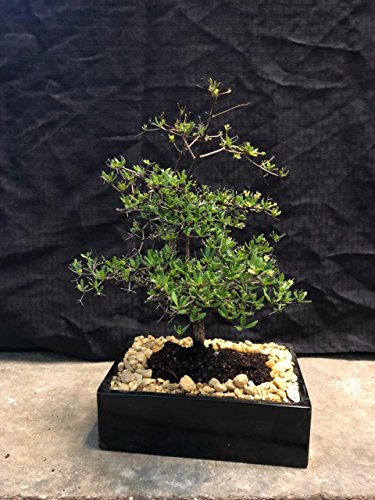
black olive bonsai tree, comes in 8 or 10 inch glazed pot. Color can vary
Choosing the Right Bonsai Style for Olive Trees
When selecting a bonsai style for an olive tree, it’s important to contemplate the tree’s natural growth habits to create a design that looks both healthy and authentic. Common bonsai trees like the Chokkan (formal upright), Moyogi (informal upright), and Kengai (cascade) suit olive trees well. These styles highlight the olive tree’s gently curved trunks and low-branching structures. Achieving balanced trunk taper with the first branch thicker than subsequent ones guarantees a natural appearance. In the art of bonsai, wiring branches in late spring and pruning in early March are proper seasonal timing practices to shape the tree effectively. Selective pruning and wiring help create movement in the trunk and branches, which adds dynamic form without stressing the olive tree, encouraging healthy growth over time. Ensuring the use of well-draining soil mix is essential for the healthy development of your olive bonsai.
Frequently Asked Questions
Can You Turn an Olive Tree Into a Bonsai?
An olive tree species can be effectively transformed into bonsai with proper bonsai care. Utilizing precise pruning techniques and selecting an appropriate pot enhances growth control, branch structure, and overall visual balance, ensuring successful miniature cultivation.
What Is the Rule of 3 in Bonsai Trees?
Balancing branches beautifully, the Rule of 3 bolsters bonsai aesthetics by branching three focal points. Pruning techniques, root pruning, and wiring methods weave within, working wonders to craft enchanting compositions, creating natural, nuanced, and nurturing visual harmony.
How Can I Shape My Olive Tree?
Shaping an olive tree involves pruning techniques to control growth, wiring methods to guide branch direction, selecting an appropriate pot for stability, and using well-draining soil requirements to promote health while encouraging compact form and aesthetics.
Can You Turn Any Sapling Into a Bonsai?
Not every sapling can become a bonsai; like painting a masterpiece, sapling selection is essential. Effective growth methods, precise pruning techniques, and suitable container types all contribute to successful transformation, ensuring the tree’s health and aesthetic balance.


