As an Amazon Associate, we earn from qualifying purchases. Some links on this site are affiliate links at no extra cost to you. Our recommendations are based on thorough research and editorial judgment.

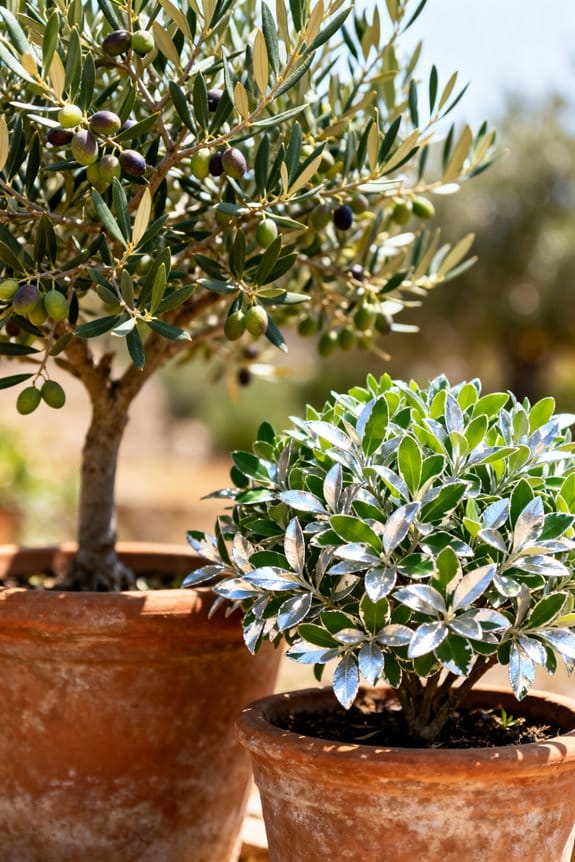
The Difference Between Fruiting and Ornamental Olive Varieties

Fruiting olive trees, like Manzanillo, produce edible olives after about eight years and need annual pruning, spraying, and cleanup from September to November to manage pests and fruit drop. They grow best in full sun and tolerate temperatures between 75°F to 95°F. Ornamental olives don’t fruit, require less maintenance, and suit poor soils or hot climates above 90°F, offering neat, multi-trunk forms without mess or pollen issues. More details will clarify which type fits your space.
Key Takeaways
- Fruiting olive varieties produce edible olives, while ornamental varieties do not bear fruit.
- Fruiting olives require more maintenance, including annual spraying, pruning, and cleanup of fallen fruit.
- Ornamental olives offer sculptural shapes and graceful leaves with minimal maintenance and no fruit mess.
- Fruiting olives are self-fruitful and take about eight years to start producing olives.
- Ornamental varieties produce less pollen, making them suitable for allergy-sensitive environments.
Key Features of Fruiting Olive Trees
Many fruiting olive trees, including popular varieties like Manzanillo and Mission, offer more than just greenery—they provide edible olives suitable for eating whole or pressing into oil. A fruiting olive tree typically starts producing olives after about eight years, depending on health and climate conditions. These trees tolerate drought well once established, thriving best in hot, dry regions around 75°F to 95°F, such as California and southern Arizona. Manzanillo and Mission olives are self-fruitful, so a single tree can bear fruit without another. Fruiting olive trees require annual pruning to maintain shape and encourage fruit production. Some care, like spraying to reduce fruit drop, helps keep surrounding areas clean. Proper management guarantees the tree’s productivity while supporting neat landscapes. Using foliar sprays for olive trees can enhance growth and fruit quality by addressing nutrient deficiencies efficiently.
Recommended Products

IDEAL BRANCH TRIMMER: Tree pruner that extends from 7.9 to 12 feet; Lightweight aluminum pole weighing less than five pounds to help minimize fatigue; Ideal for cutting high branches, or making low cuts without bending or kneeling

UP TO 50mm(1.96inch) Cutting Diamter: Our pruning shears utilized SK7 high carbon steel blades, the electric tree trimmer effortlessly slices through branches with a thickness of up to 50mm(1.96inch). NOTE: long-press the power button and listen for a 'Beep' to turn on the device successfully.
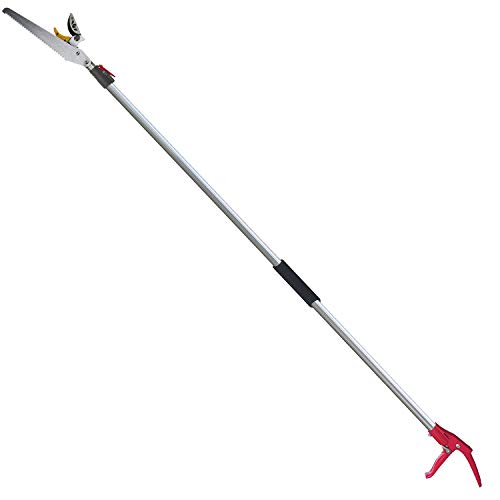
Extendable pole saw & pruner, lightweight and sturdy oval aluminum alloy pole, 2 sections telescopic handle, from 7.6-13 foot with 4 adjustable nodes, the pole rotates free control pruning positions, making bypass shears easily cuts young trees, twiggy small branches, high twigs, stems or leaves, no need to climb ladders, convenient for low pruning or fruit picking, without bending, kneeling or reaching into dense or prickly shrubs
Characteristics of Ornamental Olive Trees

Ornamental olive trees serve a distinct purpose in landscaping compared to their fruiting relatives. These fruitless olive trees, such as the Wilsonii variety, offer a sculptural, multi-trunk form and elegant gray-green leaves that improve any garden’s aesthetics. They thrive in hot, dry conditions typical of California or southern Arizona, tolerating temperatures regularly above 90°F. Once established, these trees require minimal water due to their drought tolerance. They adapt well to poor and shallow soil, which lets them grow in challenging areas where other plants might fail. Additionally, their pollen output is very low—sometimes only 1% of typical levels—making them an excellent choice for those with allergies. Overall, ornamental olive trees combine hardiness with clean, low-maintenance beauty in outdoor spaces. Their drought-tolerant varieties promote water-efficient landscaping for sustainable garden design.
Maintenance Requirements for Fruit-Bearing Varieties

Proper maintenance keeps fruit-bearing olive trees productive and tidy throughout the year. Olive tree cultivars that produce fruit need annual spraying, typically in early spring, to reduce fruit drop and manage pests. Pruning occurs every late winter, shaping the canopy and removing branches thicker than 1 inch to promote airflow and sunlight penetration. Fallen olives require regular cleanup, especially from September to November, to prevent yard mess and pests. Soil health must be monitored; adding balanced fertilizer twice yearly encourages growth and fruiting, especially during dry spells when watering frequency should increase to once weekly, providing about 10 gallons per tree. Monitoring for environmental stresses like temperature extremes below 20°F is essential, as these can affect tree health. Consistent attention guarantees fruit-bearing cultivars thrive with minimal hassle. Additionally, maintaining well-draining soil is crucial to preventing root rot and supporting healthy growth.
Recommended Products

COMPLETE TREE FOOD SPIKES: Lutz Iron Chlorosis Spikes offer a balanced tree fertilizer spike formula tailored for trees and shrubs. With essential nutrients like Iron (16%), Nitrogen (5%), Sulfur (4.8%), Phosphaate (3%), Potassium (3%), these plant food spikes combat common deficiencies and promote lush growth in your garden.

Package contains 160 evergreen fertilizer spikes and are produced to avoid wasteful runoff, mess, hazards and smells
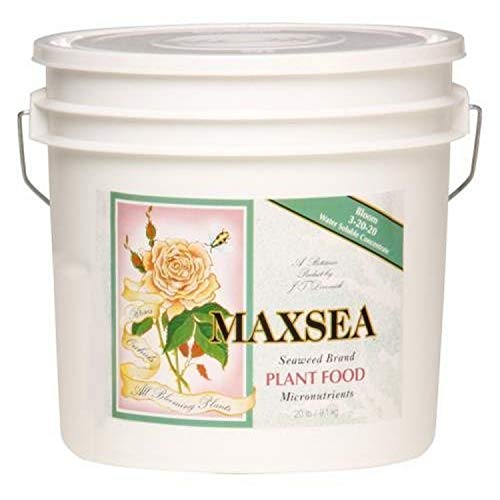
Maxsea bloom plant food is specially formulated to improve flowering, bud set, bud count, blossom quality, quantity and size on all flowering plants
Advantages of Choosing Fruitless Olive Trees

Why choose fruitless olive trees for landscaping? Fruitless olive trees, like the Wilsonii variety, do not produce fruit or pollen. This means less mess and fewer allergy concerns for homeowners. Unlike fruit-bearing olives, they won’t drop stains on driveways or walkways. For example, the Swan Hill cultivar produces only 1% of typical olive pollen, making it an excellent choice to reduce allergens. These trees are drought-tolerant and thrive in hot, dry climates, such as California and southern Arizona, once established. They come in single or multi-trunk forms, offering versatile design options. Overall, fruitless olive trees simplify care routines while providing a neat, allergen-friendly landscape appearance, ideal for those seeking practical and low-maintenance greenery without the challenges of fruit cleanup or pollen allergies. Additionally, selecting trees in low-maintenance sizes helps them fit seamlessly into any balcony or patio setting.
Recommended Products

【Large Exquisite Planter Included】Realead artificial olive tree come with an 18inch large planter, which has been meticulously designed and sized to seamlessly complement our faux olive tree.It is not only very sturdy, offering a ideal balance of aesthetics and functionality. You don't need spend extra time and money on it
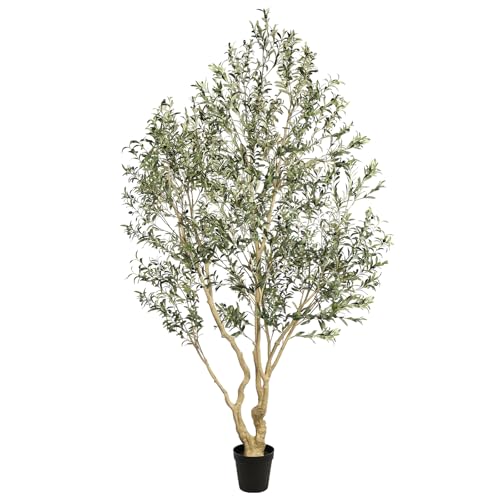
【Incredibly Lifelike Looking】This fake olive tree designed with realistic looking plant with vibrant colors, and true to life texture details.Under the illumination of the light, creating a natural and comfortable atmosphere, bringing you comfort and adding color to your room. it is recommended to place the realistic olive tree in a larger pot to better showcase its uniqueness and naturalness
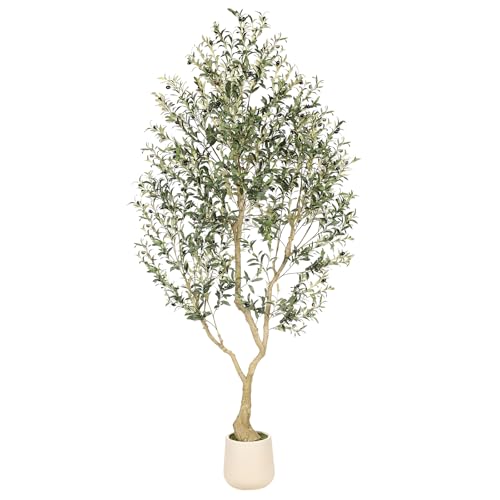
【Exquisite and Quality Planter】This artificial olive tree come with 11 inch tall planter, which has been meticulously designed and sized to seamlessly complement our faux olive tree,striking the ideal balance between aesthetics and functionality. You don't need spend extra time and money on it
Growth Conditions Suitable for Olive Trees

Although olive trees are known for their toughness, they still need specific conditions to grow well. An olive tree thrives best in hot, dry summers with full sun exposure, ideally eight hours daily. It adapts to well-drained, nutrient-poor soils, so rocky or shallow ground works fine. Once established, an olive tree requires minimal watering because it becomes drought-tolerant. Planting on hillsides is effective, as it offers good shade and helps prevent soil erosion. However, frost hardiness varies by cultivar, but most olive trees tolerate temperatures as low as 20 to 30°F. Knowing these details guarantees you select a suitable site. With this foundation, the olive tree can establish itself and flourish under the right conditions. It is also important to provide at least six hours of full sun daily for optimal growth and fruit production.
Comparing Costs Between Fruiting and Ornamental Olives
Selecting the right olive variety involves considering more than just climate and soil. Fruiting olive trees generally cost about $1000, while ornamental or fruitless varieties are priced around $3000. Both types commonly reach 12 feet in height, yet their ongoing expenses differ. Fruiting olives need annual spraying to prevent fruit drop, which adds maintenance costs. In contrast, fruitless varieties, although more expensive upfront, claim low mess but can sometimes still produce small amounts of olives. These differences impact budget planning, especially if olive oil production is a goal, as fruiting trees yield harvestable fruit. For home growers, the choice reflects priorities: whether to invest in higher initial costs to reduce upkeep or select fruiting trees for olive oil benefits despite more regular maintenance. Additionally, fruiting varieties like the Coratina Olive Tree thrive best in USDA Zones 7-9, where they can produce high-quality olives suitable for gourmet oil.
Recommended Products

Physical Characteristics: This evergreen tree typically features glossy, elliptical leaves and a symmetrical, upright form. Mature trees can reach 20 to 30 feet in height when planted in the ground, or remain smaller when container-grown and pruned regularly.

Arbequina Olive Tree offers a compact size perfect for small gardens or containers, making it ideal for urban spaces
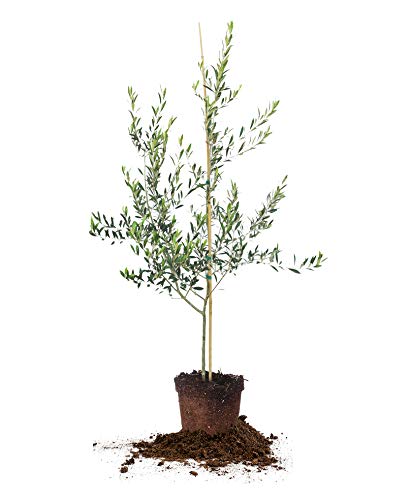
💚 Includes special blend plant food & Planting Guide
Managing Mess and Cleanliness Around Olive Trees
Maintaining cleanliness around olive trees demands regular attention, especially when fruit-bearing varieties are involved. Fruit producing olives drop fruit that can stain patios and driveways, requiring weekly cleanup during harvest seasons. Use a stiff broom or leaf blower to remove fallen olives promptly. A bucket of warm water mixed with mild detergent helps remove stubborn stains—scrub surfaces within 24 hours to avoid permanent marks. For fruit-producing trees, annual spraying reduces fruit yield, limiting mess. In contrast, ornamental varieties like Wilsonii produce no fruit, easing maintenance considerably. Homeowners should consider these factors; fruitless trees need less frequent cleaning, saving time. While fruit-bearing trees offer harvest benefits, managing the resulting debris demands consistent care to maintain neat surroundings and prevent damage. Additionally, proper pruning recommendations help reduce fruit drop and maintain tree health.
Recommended Products

Powerful Performance – Boasts an 80V motor that provides powerful air volume up to 750 CFM, ensuring efficient and quick clearing of leaves and debris.
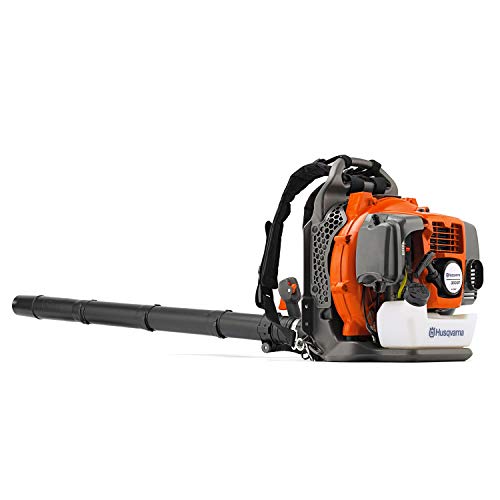
Husqvarna 350BT Gas Backpack Leaf Blower combines a high powered gas leaf blower with state-of-the-art ergonomic design, perfect gifts for dad

Husqvarna 150BT Backpack Leaf Blower Gas Powered combines a high powered gas leaf blower with state-of-the-art ergonomic design
Long-Term Care and Property Impact Considerations
Careful planning around olive trees is necessary to avoid long-term issues with property. Fruiting olive trees need more upkeep, including annual spraying to control pests and guarantee good fruit production, which raises maintenance time and costs. Both fruiting and ornamental olive trees have root systems that can extend 15-20 feet horizontally, sometimes lifting driveways or cracking foundations if planted closer than 10 feet to structures. Over a decade, these roots may cause costly repairs. Fruit drop from fruiting trees can stain walkways and require regular cleanup, affecting yard appearance. Consulting neighbors about their olive tree experiences helps anticipate shared challenges and informs better planting choices. Choosing between olive trees must balance visual appeal against potential property damage and ongoing care demands for a decade or more. Additionally, selecting pots with proper drainage is essential to maintain olive tree health and prevent root problems.
Frequently Asked Questions
Do Ornamental Olives Have Fruit?
Ornamental olives do not produce fruit, ensuring cleanliness and low maintenance despite common assumptions. Their value lies in olive aesthetics, offering elegant foliage and structure without mess, making them ideal for visually appealing, practical landscaping solutions.
What Is the Difference Between Fruitless and Fruiting Olive Trees?
Fruiting and fruitless olive trees differ primarily in fruiting characteristics; fruiting varieties produce edible olives requiring maintenance, while fruitless types focus on aesthetic appeal, minimizing mess, allergens, and maintenance, often at a higher initial cost.
Which Olive Trees Don’t Produce Fruit?
Olive trees that don’t produce fruit are typically ornamental varieties, such as the Wilsonii, prized for their ornamental characteristics. These trees offer aesthetic appeal without the maintenance of fruit, thriving in diverse soils and providing shade.
How Do I Tell What Kind of Olive Tree I Have?
Like deciphering nature’s cryptic script, identifying characteristics reveal olive tree identity: the presence of blossoms or immature olives, leaf broadness, and fruit drop patterns serve as key markers, distinguishing fruiting trees from their ornamental counterparts.


