As an Amazon Associate, we earn from qualifying purchases. Some links on this site are affiliate links at no extra cost to you. Our recommendations are based on thorough research and editorial judgment.


Dwarf Olive Tree Varieties Perfect for Small Spaces

Dwarf olive trees like Olea Europaea Little Ollie grow compactly from 4 to 6 feet tall and wide, making them perfect for small gardens or containers. They need full sun—ideally eight hours daily—and well-draining soil with pH between 6.5 and 8.0. Water deeply once a week at first, then reduce since established plants tolerate drought. These low-maintenance trees require only light pruning in late winter. They tolerate temperatures down to 15°F and serve well as evergreen hedges. More details explain their landscape uses and care.
Key Takeaways
- Dwarf olive trees like Olea Europaea Little Ollie grow compactly between 4 to 6 feet, ideal for limited garden spaces and containers.
- These varieties have a naturally dense, rounded growth habit, minimizing pruning and maintenance needs.
- Require full sun with at least 6 to 8 hours of direct sunlight daily for healthy development.
- Excellent drought tolerance and preference for well-draining soil make them suitable for xeriscapes and low-water gardens.
- Their sterile flowers produce minimal fruit, reducing messy clean-ups and making them perfect for urban environments.
Overview of Dwarf Olive Trees
Although many people associate olive trees with large groves, dwarf olive trees offer a compact alternative for smaller spaces. These evergreen shrubs typically grow between 4 to 6 feet tall and wide, and their compact size makes them ideal for container gardening or tight garden beds. They require full sun, needing at least 6 hours of direct sunlight daily for healthy growth. Once established, dwarf olive trees show excellent drought tolerance, which reduces watering frequency. They grow moderately fast, reaching maturity in about 3 to 5 years. For proper spacing, plant them 3 to 4 feet apart to form hedges or 4 to 5 feet apart for individual plants. Dwarf olive trees tolerate winter temperatures between 15 and 20 degrees Fahrenheit, fitting USDA zones 8 to 11. Many varieties, such as the Arbequina, are self-pollinating and produce olives with minimal care.
Characteristics of Olea Europaea Little Ollie

The Olea europaea Little Ollie is a dwarf olive cultivar that reaches 4 to 6 feet in both height and width, making it perfect for containers or small garden spaces. This compact shrub features dense evergreen leaves that retain a fresh look year-round. It thrives best in full sun, which supports steady growth and healthy foliage. Planting in well-draining soil is essential to prevent root rot and encourage drought tolerance. Although Little Ollie produces small creamy-white flowers in late spring or summer, it is a sterile hybrid and rarely bears fruit. This characteristic reduces maintenance and debris, making it ideal for tidy gardens. Its adaptability to USDA zones 8 through 11 allows it to withstand lows of 15 to 20 degrees Fahrenheit with minimal stress. For optimal health, pruning every few months helps maintain its shape and promotes airflow.
Recommended Products

Compact Yet Sturdy Design: Introducing our 21″ by 17.5″ rounded square rolling planter pot-a small powerhouse perfect for your patio. Despite its size, this planter boasts heavy-duty locking wheels, robust frames, and exceptional drainage holes for watering.
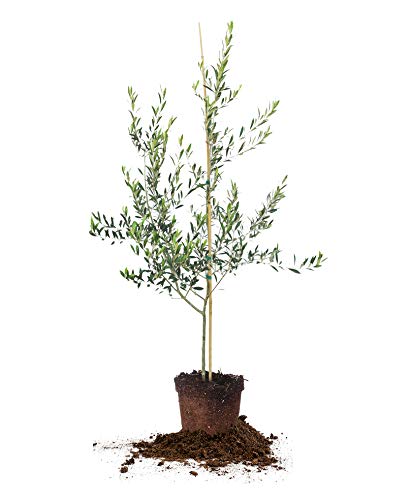
💚 Includes special blend plant food & Planting Guide

Our Owari Mandarin Tree is one-of-a-kind, growing anywhere in the country as a patio plant and withstanding brief temperature drops down to 12 to 15 degrees, With the Owari, you get sweet, delicious oranges, no matter where it’s planted
Growth Habit and Size

Dwarf Olive Little Ollie typically grows between 4 and 6 feet tall and wide, making it perfectly suited for tight spaces like patios or small gardens. Its growth habit is naturally rounded and dense, so it keeps a neat look without heavy pruning. This shrub reaches maturity in about 3 to 5 years due to a moderate growth rate. When planting multiple shrubs for foundation plantings or hedges, space them 3 to 4 feet apart to allow room for filling gaps while maintaining compact form. Individual plants should sit 4 to 5 feet apart to guarantee healthy air circulation. Its multi-branching growth habit keeps sizes manageable compared to standard olive trees, making it an excellent choice for those seeking tidy, space-efficient greenery. Additionally, these dwarf olive trees are hardy and drought-resistant, perfect for a variety of garden environments.
Recommended Products
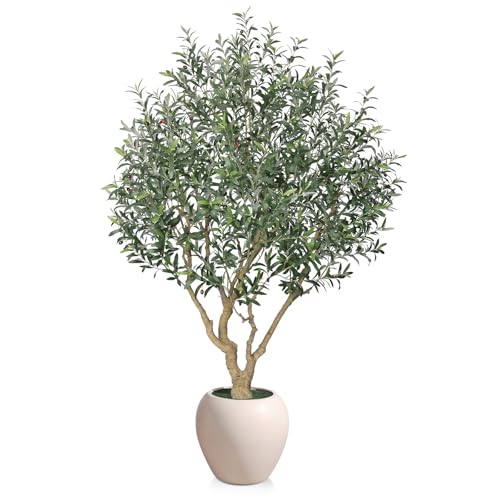
Elevate Your Space with Timeless Elegance. Standing 8 feet tall, this artificial olive tree is the perfect tall artificial plant to command attention in home decor. With 3690 silk leaves and a 63-inch spread, it mimics nature’s grace in a way that suits both modern farmhouse and boho interiors

Ultra-Realistic Design with Natural Touch:This artificial olive tree stands 8FT tall with lush silk leaves, a natural wood trunk, and faux olives, creating a lifelike presence in any space. The faux tree adds a calming green touch to your indoor decor, perfect for modern home or office

Standing at an impressive 8 feet, the SOGUYI faux Olive Tree is a masterpiece of lifelike design. The olive tree's luxurious presence is complemented by a vintage Greek-inspired planter, adding a touch of Mediterranean elegance and timeless charm to any space
Soil Preferences and Adaptability

When selecting soil for planting a Little Ollie olive tree, it’s important to focus on drainage and pH balance. These trees thrive best in sun and well-draining soil, including sandy loam or clay loam types. Soil pH should range between 6.5 and 8.0 to support healthy growth. The Little Ollie adapts well to slightly acidic to alkaline soils, which offers flexibility for various garden environments. It suits USDA zones 8 through 11, handling winter temperatures down to 15-20°F once established. Its adaptability extends to dry desert heat and coastal Mediterranean climates, making it a versatile choice. Ensuring proper soil conditions maximizes root development and overall health, preparing the tree for thriving in small spaces with limited soil options. Moderate watering is crucial, particularly during dry spells, to maintain optimal growth and health.
Recommended Products

🌱【Ready-to-use Pre-mix】: Simplify repotting your Bonsai and other plants with our premium, fast-draining Bonsai potting soil mix. It comes pre-mixed and sifted for your convenience.

100% Natural: Expertly hand-blended with premium ingredients for potted citrus trees, ensuring your trees receive the purest, chemical-free nutrients. Contains no artificial additives.

✅ BONSAI MIX FORMULATED BY PROFESSIONALS - A bonsai soil mix ready to use that provides optimum pH levels for healthy growth of bonsai plants
Watering Needs and Drought Tolerance

Several watering sessions each month are essential during the first 6 to 12 months for young olive trees to build strong roots. For dwarf varieties like Little Ollie, watering every 7 to 10 days during this phase supports healthy root development. After establishment, their watering needs decrease considerably since they show excellent drought tolerance. Deep, infrequent watering encourages a robust root system able to survive dry spells. These trees prefer well-drained soil, which helps prevent root rot by minimizing excess moisture retention. They adapt well to sandy loam or clay loam soils and tolerate pH levels from 6.5 to 8.0, which enhances drought tolerance. Overall, careful initial watering followed by less frequent, deeper irrigation best supports the longevity and hardiness of dwarf olive trees in water-wise gardens. Dwarf olive trees typically thrive in USDA Zones 8-11, where they receive the full sun requirements necessary for optimal growth and drought resilience.
Recommended Products

Brass Finish + Rust Resistant: This brass watering can is crafted from high-quality stainless steel with a warm, polished finish that resists rust, tarnishing, and daily wear; unlike plastic or low-grade metal alternatives, this stainless steel watering can offers both durability and elegance; a beautiful yet functional choice for those seeking a decorative watering can that withstands everyday indoor or balcony use

The material of the watering cans feature increased UV protection and are made of high quality and durable plastic.

High-grade, injection molded plastic and comes with a plastic rose
Sunlight Requirements for Optimal Growth
After establishing a strong root system through proper watering, the next step is ensuring these trees receive sufficient sunlight for healthy growth. Dwarf olive trees require full sun, meaning at least 6 hours of direct sunlight daily, though 8 or more hours is ideal. Positioning them in well-draining soil further supports their development and helps prevent root rot. Without enough sunlight, these trees struggle to grow and may fail to produce fruit. They thrive best in USDA hardiness zones 8 through 11, where warm temperatures encourage robust growth. When planted in sunny spots with proper drainage, dwarf olive trees can reach 4 to 6 feet in height and spread within 3 to 5 years, making them perfectly suited for small spaces. For optimal health, it is essential to use well-draining soil composed of sandy loam mixed with organic compost to ensure proper nutrient and water balance.
Foliage and Leaf Characteristics
A handful of dwarf olive varieties show distinctive foliage traits that make them popular for small gardens. The Dwarf Olive Little Ollie, for example, features dense foliage composed of narrow, elongated leaves about 1 to 2 inches long. These leaves are rich green, glossy, and leathery, which helps the plant resist drought and pests like deer. This variety grows compactly, reaching 4 to 6 feet tall and wide, making its dense foliage easy to manage in limited spaces. Because the leaves are bitter-tasting, they also deter browsing animals, reducing maintenance. The thick, multi-branching growth supports the foliage’s rounded, attractive appearance year-round. Gardeners should note that dense foliage improves privacy while minimizing soil evaporation around the base, aiding overall plant health. Like many dwarf varieties, these olive trees thrive with 6-8 hours of direct sunlight daily to maintain their dense and healthy foliage.
Flowering Traits and Pollinator Attraction
The Dwarf Olive Little Ollie produces small clusters of creamy-white flowers in late spring or summer. These flowering traits include inconspicuous blooms that measure about 1/4 inch across and form dense groups ranging from 3 to 7 flowers. Although the flowers are sterile and do not yield fruit, they play a key role in pollinator attraction by drawing bees and butterflies to the garden. This activity supports local ecosystems and encourages biodiversity without increasing maintenance efforts. Gardeners will appreciate that the plant’s bitter leaves prevent damage from deer and herbivores, allowing the olive to thrive in compact spaces. Overall, the plant balances modest floral display with ecological benefits, fitting well into small urban gardens where both aesthetics and sustainability matter. Additionally, choosing the right dwarf olive tree varieties is crucial for maximizing the appeal and adaptability of these compact plants in limited spaces.
Fruit Production and Maintenance Benefits
Although the Dwarf Olive Little Ollie rarely produces fruit, this fact benefits gardeners by reducing maintenance tasks. Its sterile hybrid nature means there is no fruit production to manage, which eliminates messy clean-ups. At just 4 to 6 feet tall and wide, Little Ollie fits well in small spaces without worrying about fallen olives. This compact size also translates into less time spent pruning and harvesting compared to typical olive trees. Additionally, it requires minimal watering once established, thriving in drought conditions that usually challenge fruiting varieties. The tree’s natural resistance to deer and rabbits further cuts down maintenance. Overall, Little Ollie offers clear maintenance benefits through its limited fruit production and hardy, low-upkeep design, making it a practical choice for small gardens and containers. Its suitability for small spaces ensures it can be accommodated easily both indoors and outdoors without requiring extensive care.
Ideal Landscape Uses and Design Ideas
Often chosen for compact gardens, Dwarf Olive Little Ollie typically grows 4 to 6 feet tall and wide, fitting comfortably in small spaces or containers. Its dense, rounded shape makes it a reliable ornamental feature that adds structure to garden beds without needing frequent pruning. Gardeners often use Little Ollie as a low hedge or as focal points near entryways to draw attention without overwhelming small areas. Its drought tolerance suits xeriscapes, thriving in full sun with temperatures from 60 to 85°F. When placed in sunny spots with well-draining soil, it maintains a tidy appearance effortlessly. This dwarf olive variety adapts well to various soils, making it versatile for formal or informal designs. Incorporating it thoughtfully enhances visual interest while conserving space. Additionally, dwarf olives benefit from minimal pruning to maintain health and optimal fruit production.
Pruning Practices and Maintenance Tips
When caring for Dwarf Olive Little Ollie, minimal pruning is necessary since it naturally forms a dense, rounded shape. Light shaping is best done late winter to early spring. This helps maintain appearance and encourages compact growth. Regular pruning involves removing dead or damaged branches. Doing so promotes healthy growth and improves overall vigor. Inspect the plant regularly for pests like scale insects and spider mites, even though they rarely cause serious harm. Maintain a consistent watering schedule, especially during the first year, watering every 7 to 10 days. Proper watering supports plant health and reduces pruning needs later. Follow these pruning practices and maintenance tips for an attractive, thriving dwarf olive that fits perfectly in small spaces.
Recommended Products

The FELCO 6 Elite represents a significant leap forward in enhancing pruning experience of professional users.

I-Beam Aluminum Handles – Structural I-beam profile delivers superior durability and flex resistance without added weight, keeping the shears strong yet featherlight in hand.

[JAPANESE HAND PRUNERS] These traditional Japanese garden pruning shears are perfect for trimming garden trees, fruit trees, floral arrangements, Ikebana, bonsai, and other gardening tasks.
Hardiness and Climate Adaptation
Understanding the hardiness of Dwarf Olive Little Ollie is essential for successful cultivation. This variety thrives in USDA hardiness zones 8 through 11, which covers many regions in the hot south. It withstands winter temperatures down to 15-20°F after it’s established, making it resilient during mild cold periods. Little Ollie adapts well to various soils, including sandy and clay loams, with an ideal pH range of 6.5 to 8.0. It requires full sun—at least 6 hours daily—to grow effectively, tolerating harsh desert heat and drought conditions. These traits make it perfect for water-wise landscapes in warm climates. Understanding these climate needs guarantees the dwarf olive thrives, especially in the hot south where temperature swings and dry spells are common.
Frequently Asked Questions
How Big Does a Dwarf Olive Tree Get?
Dwarf olive tree growth reaches a modest 4 to 6 feet, like a gentle, sculpted canopy. Caring for olives involves nurturing this compact elegance, allowing it to flourish in limited spaces with balanced pruning and proper spacing.
Do Dwarf Olives Like Sun or Shade?
Dwarf olives require full sun for peak growth, with sunlight requirements demanding at least 6 to 8 hours daily. Ideal growing conditions include warm, open environments; shade reduces vigor and causes leggy growth, compromising overall health.
What Is the Difference Between Swan Hill and Wilsonii Olive Trees?
Swan Hill characteristics include upright growth and reaching 20 feet, while Wilsonii traits feature a compact, rounded form growing up to 15 feet. Both thrive in full sun but differ in size, growth speed, and maintenance needs.
Can an Olive Tree Be Kept Small?
An olive tree can be kept small through careful olive tree care, including regular pruning and controlled watering. Container gardening also limits root growth, naturally maintaining a compact size suitable for patios or small outdoor spaces.


