As an Amazon Associate, we earn from qualifying purchases. Some links on this site are affiliate links at no extra cost to you. Our recommendations are based on thorough research and editorial judgment.


Creating Spiral and Standard Form Olive Trees

Creating spiral and standard form olive trees starts with young cultivars like Picholine or Arbequina, ideally under two years old. Plant them in well-draining soil using unglazed pots or wooden barrels. For spirals, secure the main stem to a stake and train lateral branches in a gentle spiral. Prune every six to eight weeks, removing excess growth and suckers. For standard forms, prune in late winter while dormant to shape the crown. Proper tools and pest checks guarantee healthy growth. There’s more to effective care ahead.
Key Takeaways
- Select young olive trees (two years or younger) from ideal cultivars like Picholine or Frantoio for effective shaping.
- Use sharp pruning shears, loppers, and saws, disinfected before use, to maintain clean cuts and prevent disease.
- For spiral forms, secure the main stem to a stake and train lateral branches in a gentle spiral pattern.
- For standard forms, prune dormant trees in late winter or early spring, shaping the crown and removing suckers.
- Ensure full sunlight, well-draining soil, and regular pruning every six to eight weeks to sustain healthy growth and fruit production.
Selecting the Right Olive Tree Species
Because olive trees respond differently to pruning and climate, selecting the right species is essential for topiary success. Ideal cultivars like Picholine, Manzanillo, Frantoio, and Arbequina tolerate severe pruning well and remain smaller, making them perfect for shaping. Choosing young trees, preferably two years old or younger, offers the best results since they adapt more readily to spiral or standard forms. Planting these olive trees in unglazed pots or wooden barrels with well-draining soil supports healthy root development. It’s important to take into account local climate factors, such as sunlight levels around 6-8 hours daily and good air circulation, to keep the tree vigorous. Selecting species that withstand regular trimming helps maintain the desired crown shape over time, ensuring a neat and thriving topiary. For an elegant indoor or outdoor display, consider using artificial olive trees that require minimal maintenance and offer long-lasting aesthetic appeal.
Recommended Products
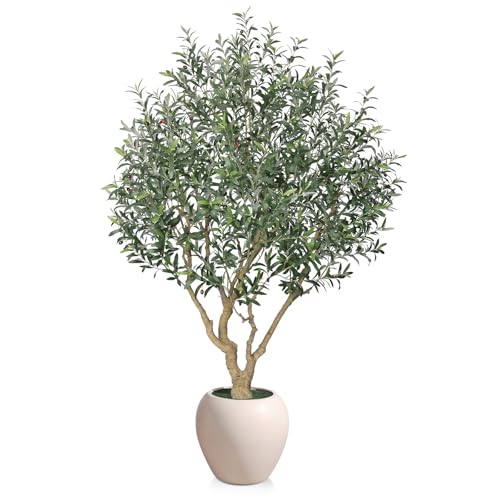
Elevate Your Space with Timeless Elegance. Standing 8 feet tall, this artificial olive tree is the perfect tall artificial plant to command attention in home decor. With 3690 silk leaves and a 63-inch spread, it mimics nature’s grace in a way that suits both modern farmhouse and boho interiors

Standing at an impressive 8 feet, the SOGUYI faux Olive Tree is a masterpiece of lifelike design. The olive tree's luxurious presence is complemented by a vintage Greek-inspired planter, adding a touch of Mediterranean elegance and timeless charm to any space

Ultra-Realistic Design with Natural Touch:This artificial olive tree stands 8FT tall with lush silk leaves, a natural wood trunk, and faux olives, creating a lifelike presence in any space. The faux tree adds a calming green touch to your indoor decor, perfect for modern home or office
Essential Tools and Materials for Pruning
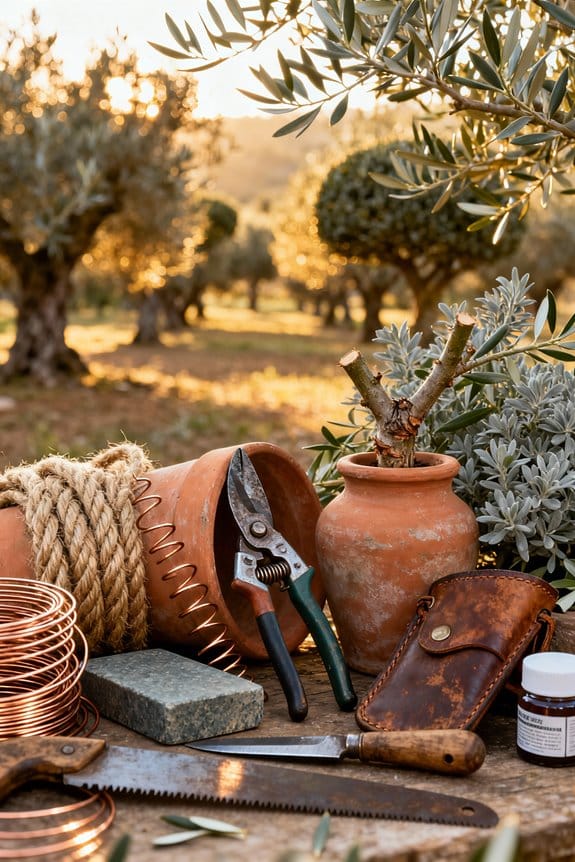
Proper pruning of olive trees starts with having the right tools on hand. Sharp pruning shears make clean cuts on branches up to ¾ inch thick. For thicker branches, loppers with 20-inch handles provide needed leverage. A saw is essential for cutting larger trunks or limbs over 1 inch in diameter. Wearing gloves protects hands from sharp twigs and sticky sap. Disinfect tools with rubbing alcohol or a 10% bleach solution before and after pruning to prevent disease spread. A sturdy ladder helps reach branches 6 feet or higher. Twine and stakes support branches while shaping the olive tree. These materials keep limbs stable and guide growth during pruning. Using these tools properly makes pruning safer and more effective for healthy olive trees. It is best to prune during late winter when temperatures are between 40-60°F to minimize sap loss and stress on the tree.
Recommended Products

【UP TO 45mm CUTTING DIAMETER】- SWANSOFT-8612 electric tree trimmer blades can easily cut through branches up to 45mm thick without causing damage. The blades of this battery pruning shears are forged from Swiss SK5 high-carbon steel, which is sharp and resistant to wear and tear. Flat and fast pruning like cutting butter easily

【Designed for Orchard, Vineyard & Large Backyard Trees】Built for real pruning work across orchards and residential landscapes, Kebtek KT 9035 battery operated pruners easily cut apple, peach, olive trees, and grapevines up to 35mm (1.38 inch). Also suitable for common American yard trees such as oak, maple (sugar & red maple), pecan, eucalyptus, and palm trees, making it a versatile solution for both fruit farms and home gardens.

This tree pruning kit includes everything you need to get the job done in one convenient package
Techniques for Shaping Spiral Olive Trees
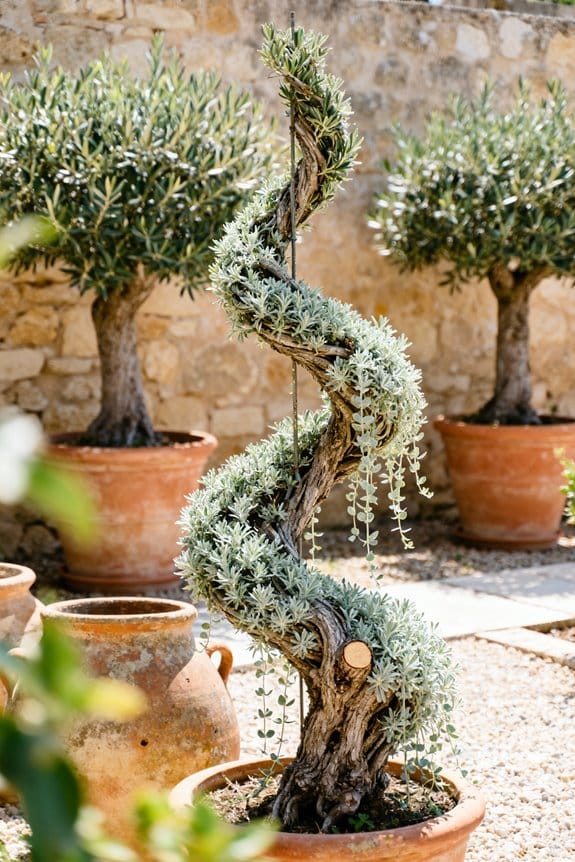
Shaping spiral olive trees requires patience and careful guidance from an early stage. Begin with a young tree, about two years old, planted in well-draining soil to avoid root rot and support healthy fruit development. Secure the main stem to a sturdy stake using soft ties, then gradually train lateral branches around the stem in a gentle spiral pattern. Prune every six to eight weeks during the growing season, removing excess growth and suckers at the base to maintain a clear spiral shape. Water the tree when the top inch of soil feels dry, making sure not to overwater. Fertilize lightly with balanced nutrients every month to promote strong branches. Regular pest checks preserve tree health and guarantee the fruit grows well within the designed spiral form. After harvest, use olive picking baskets with protective features to safely collect fruit without bruising.
Recommended Products

2 feet in length
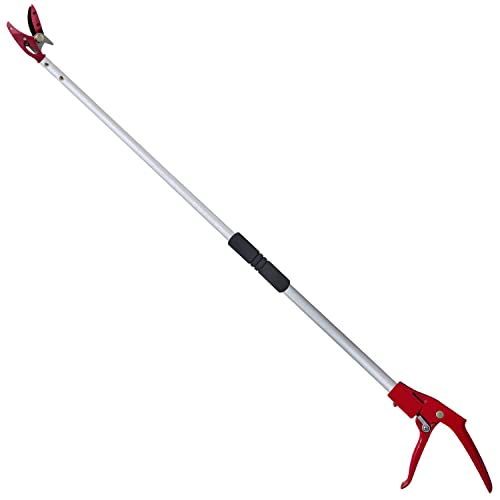
Professional long reach pruners, super lightweight but effective tree trimmer with 4 foot alloy aluminum pole, sturdy and quality construction, ideal for pruning on live branches, small trees, high thin stems and overgrown plants, even picking fruit, without having to bend and kneel, without climbing a ladder, easy low cut or reaching into dense/prickly bushes
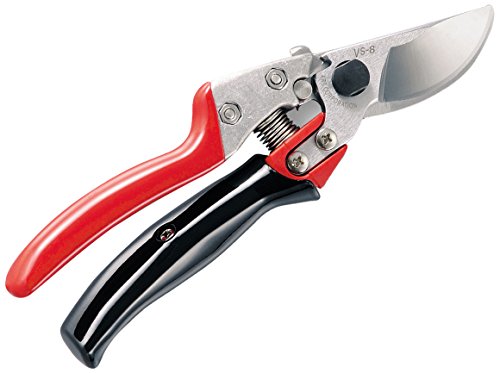
Rotating handle to reduce stress on wrist and hand
Shaping and Maintaining Standard Form Olive Trees

Start with a young olive tree that is two years old or younger to achieve the best standard form shape. Begin by deciding on the crown design before pruning. Prune in late winter or early spring when the tree is dormant to reduce stress and encourage strong growth. Remove suckers growing at the base and thin branches to keep the crown neat and balanced. Use well-draining soil in unglazed pots or wooden barrels to guarantee healthy roots and structural support. Regularly check for pests and diseases, especially on the leaves and stems. Maintaining the tree’s shape preserves its strength and fruit production. Shaping techniques learned early help the fruit tree develop a classic, manageable form. This combination of timing, pruning, and plant health is essential for success.
Recommended Products

IDEAL BRANCH TRIMMER: Tree pruner that extends from 7.9 to 12 feet; Lightweight aluminum pole weighing less than five pounds to help minimize fatigue; Ideal for cutting high branches, or making low cuts without bending or kneeling

Ideal pruner for heavy-duty orchard pruning
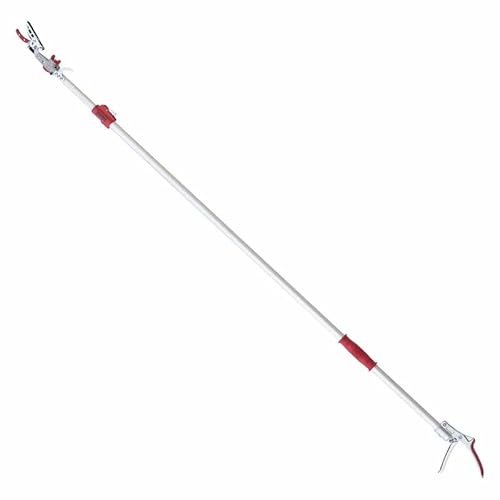
Cut and hold feature will hold your pruned fruit or branches until you are ready to release them.
Seasonal Care and Maintenance Tips
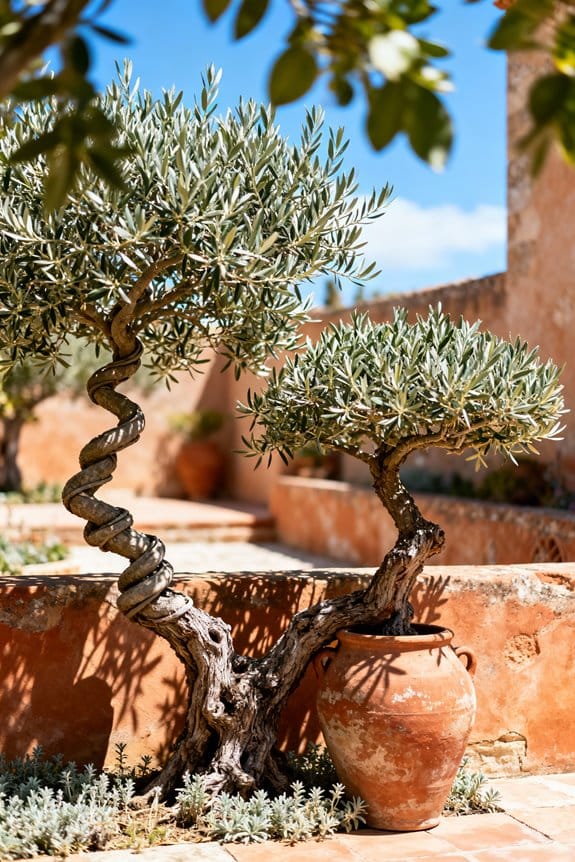
When caring for olive trees through the seasons, timing plays an essential role in their health and productivity. Pruning should start in late winter or early spring, before temperatures climb above 50°F, to shape the crown effectively. During winter, trees require minimal watering, ensuring soil remains damp but not soggy to prevent root rot. Removing suckers from the base regularly keeps the trunk clear and encourages healthy growth. As spring arrives, increase fertilization every six to eight weeks with balanced nutrients to support leaf and fruit development. Olive trees also need full sunlight—about six hours daily—to thrive and resist pests, which tend to increase with seasonal warmth. Consistent monitoring and maintenance help these trees flourish year-round. Applying balanced NPK fertilizers during the growing season enhances root health and yields robust foliage.
Recommended Products

Package contains 160 evergreen fertilizer spikes and are produced to avoid wasteful runoff, mess, hazards and smells

Not available for sale or shipment into Florida

EASY APPLICATION: Hammer It In! This is not your old, ordinary, crumbly, dusty, oval shaped fertilizer "spike". This is a patented, powerhouse TruSpike. There's no need for a plastic cap or special equipment with TruSpike, just hammer it in and let it get to work feeding your plants. It will NOT break, crush or smash... guaranteed!
Frequently Asked Questions
How to Shape a Standard Olive Tree?
Shaping a standard olive tree involves pruning techniques that start before two years of age, removing basal suckers, and conducting maintenance pruning in late winter or early spring to promote healthy tree growth and maintain a rounded crown.
How to Make a Spiral Topiary Tree?
How does one transform a simple tree into a living twisted sculpture? Employing precise pruning techniques with sharp topiary tools, careful, consistent trimming molds the trunk around a spiral support, shaping the tree into an elegant ornamental form.
What Is the Best Shape for an Olive Tree?
The best shape for an olive tree balances olive tree aesthetics and ideal growth. Shapes that combine visual appeal with structural health promote longevity, resilience, and fruit production, ensuring both decorative beauty and practical function in various garden settings.
How Do You Take Care of a Spiral Olive Tree?
Contrasting delicate branches with bold twists, care for spiral olive trees involves precise pruning techniques during dormancy and a balanced watering schedule—allowing soil to dry between waterings—to guarantee vibrant growth, shape retention, and overall tree health.


