As an Amazon Associate, we earn from qualifying purchases. Some links on this site are affiliate links at no extra cost to you. Our recommendations are based on thorough research and editorial judgment.


Organic Vs Synthetic Fertilizers for Olive Trees

Organic fertilizers release nutrients slowly, improving soil structure and microbial health while requiring about 3 to 5 pounds of compost per olive tree every couple of years. Synthetic fertilizers provide immediate nutrients and are useful during key growth stages with applications of 50-70 kg nitrogen per hectare annually. Combining both types balances quick nutrient needs and long-term soil fertility. This approach helps maintain leaf nitrogen between 1.5 and 2 percent and optimizes yields. More details explain how to manage this balance effectively.
Key Takeaways
- Organic fertilizers improve soil health, microbial activity, and provide steady nutrient release suited for olive trees throughout the growing season.
- Synthetic fertilizers deliver quick nutrients, promoting fast growth and higher yields ideal for large-scale olive farming.
- Organic options reduce nutrient leaching and environmental harm, supporting sustainable olive orchard management.
- Synthetic fertilizers are cost-effective and efficient but require careful application to avoid soil pH fluctuations and depletion.
- Combining organic and synthetic fertilizers balances immediate nutrient needs with long-term soil fertility and orchard health.
Understanding Olive Tree Nutritional Requirements
How much nutrition do olive trees really need to thrive? Olive trees demand key macronutrients: nitrogen (N), phosphorus (P), and potassium (K). Nitrogen supports flower differentiation and fruit set, so it’s essential to keep leaf nitrogen levels between 1.5 and 2.0 percent. Phosphorus improves bloom quality, while potassium affects fruit size and taste—maintain potassium above 0.8 percent to avoid yellow leaf edges and lower yields. Sampling leaves from late June to early August helps determine nutrient status accurately. Soil testing around the root zone reveals nutrient availability, and adding organic matter improves nutrient retention and soil health. Micronutrients like calcium and magnesium also matter but at lower levels. A tailored nutrition plan, based on regular tests, boosts tree health and fruit production efficiently throughout the growing season. Incorporating organic fertilizers into the nutrition regimen promotes soil biodiversity and enhances nutrient uptake.
Differences Between Organic and Synthetic Fertilizers
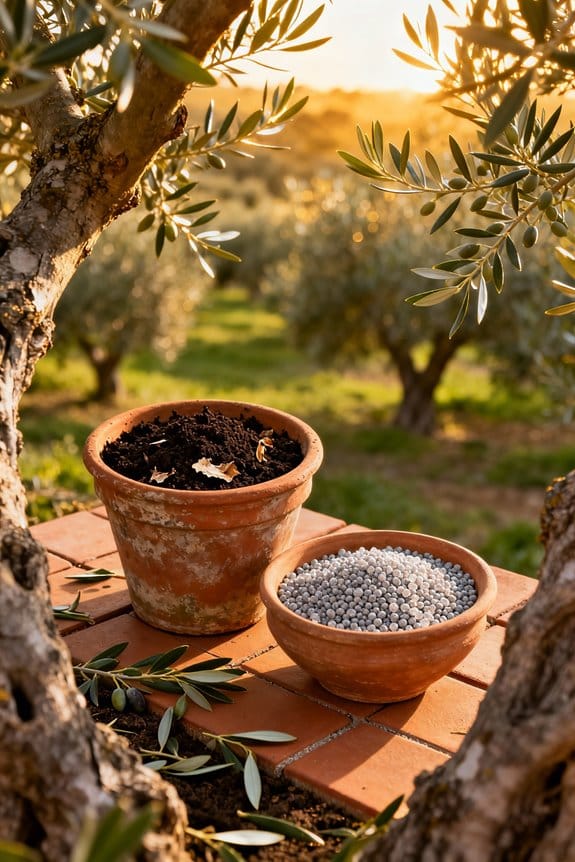
What distinguishes organic fertilizers from synthetic ones when caring for olive trees? Organic fertilizers release nutrients slowly, enhancing soil health by maintaining nutrient balance and soil structure over time. They typically come from natural sources like compost or aged manure and require planning, as their effects appear gradually. Synthetic fertilizers deliver nutrients immediately, which can quickly meet tree needs but may cause nutrient leaching and soil pH fluctuations if overused. These fertilizers are often easier to apply and less costly, making them popular for large orchards. However, excessive synthetic fertilizer use can harm soil health, leading to nutrient depletion. In contrast, organic fertilizers support sustained soil fertility, though they need more attention and time to achieve effective results, requiring measurements like applying 2 to 4 pounds per tree annually depending on soil tests. Regular application of organic inputs enriched with micronutrients and macronutrients contributes to robust root development and healthy foliage growth.
Recommended Products

32 Ounces Bottle

ULTIMATE ANTIOXIDANT PROTECTION: Carbon 60 helps lift the oxidative burden at the cellular level, which is the main cause of aging and cellular damage. C60 scavenges free radicals and optimizes mitochondrial function, which allows the body to heal naturally and may slow the aging process. C60 Purple Power promotes a balanced immune response, skin vitality, and hair growth

✔ AN AMAZING SOURCE 2026 edt.: Originating from selected groves of Olympia and Athinoelia varieties, at the highlands of Arcadia, in Peloponnese, Greece. Two of the best olive varieties, originating from Ancient Greece. Olive groves of middle to high altitude, with olive trees cultivated in well-balanced ecosystems by using organic fertilizers, active microorganisms, green manure and crop rotation.
Benefits of Organic Fertilizers for Olive Trees
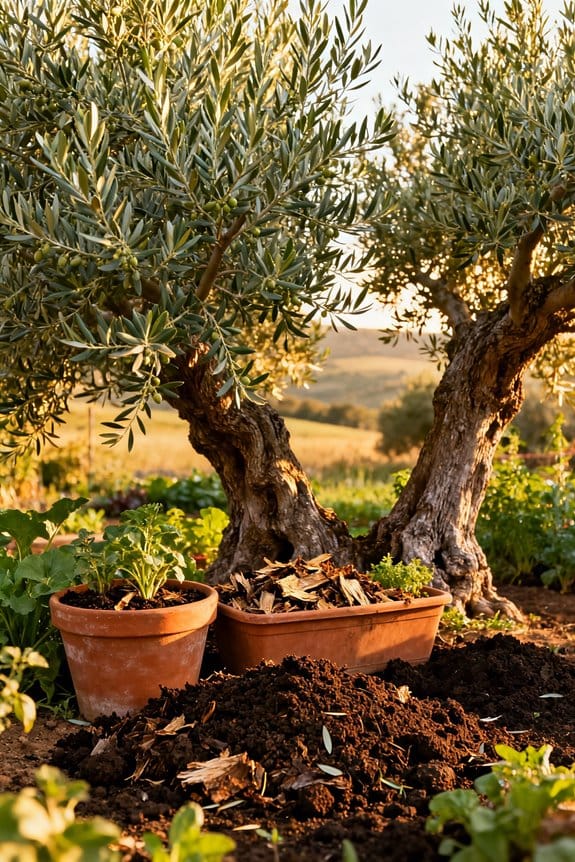
Though organic fertilizers release nutrients more slowly than synthetic types, they provide steady nourishment that suits olive trees well throughout the growing season. Organic materials such as composted manure improve soil structure by increasing aeration and water retention, which helps roots absorb nutrients from the soil more efficiently. Applying 3 to 5 pounds of compost per tree every spring encourages healthy and strong growth without risking over-fertilization. Additionally, organic fertilizers promote beneficial microbial activity that breaks down organic matter, releasing essential micronutrients crucial for olive tree vitality. This results in improved resilience against pests and diseases. Over time, soil fertility increases, reducing the likelihood of crop failure. For olive growers aiming for long-term orchard health, incorporating organic options supports consistent tree growth and sustainable soil management practices. Concentrated formulas like Gardenera Premium Liquid Olive Tree Fertilizer provide balanced organic nutrition that enhances growth and fruit production while minimizing environmental impact.
Recommended Products

OUR CARBON 60 OLIVE OIL IS HELD TO THE HIGHEST STANDARDS It's tested for purity and quality. Like our C60 powder, we use lab tested high Polyphenol Extra Virgin Olive Only. Using the best ingredients means using only extra virgin olive oil


Cold-pressed from certified organic olives for optimal flavor
Advantages of Synthetic Fertilizers in Olive Cultivation
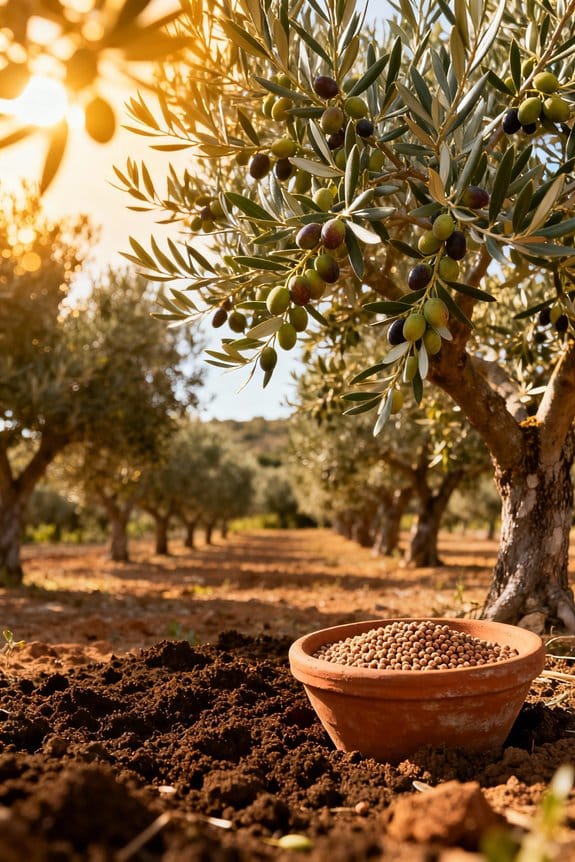
Synthetic fertilizers deliver nutrients quickly to olive trees, which supports fast growth and higher yields. These fertilizers, such as urea with 46% nitrogen (N) and ammonium nitrate containing 34% N, provide essential nitrogen for lush vegetative growth and ideal fruit set. Their nutrient delivery can be precisely adjusted, applying feeds during key stages like budding and flowering. This targeted approach helps maintain tree health and maximizes production efficiency. Synthetic fertilizers also offer notable cost-effectiveness, often presenting a lower price per unit of nutrient compared to organic options, benefiting large-scale olive farming operations. However, careful soil testing is recommended before application to avoid excessive use. Overall, synthetic fertilizers remain a widely used method for promoting robust olive cultivation due to their rapid action and economic advantages. Additionally, applying fertilizers with an optimal NPK ratio of 8-8-8 ensures balanced nutrition tailored to olive trees’ needs.
Recommended Products

Package contains 160 evergreen fertilizer spikes and are produced to avoid wasteful runoff, mess, hazards and smells

EASY APPLICATION: Hammer It In! This is not your old, ordinary, crumbly, dusty, oval shaped fertilizer "spike". This is a patented, powerhouse TruSpike. There's no need for a plastic cap or special equipment with TruSpike, just hammer it in and let it get to work feeding your plants. It will NOT break, crush or smash... guaranteed!

🌿 Balanced 10-10-10 Granular Fertilizer for Outdoor & Indoor Plants: All-purpose plant food with 10% Nitrogen, 10% Phosphorus, and 10% Potassium. Perfect for outdoor vegetable gardens, fruit trees, evergreens, shrubs, lawns, and flowers. Also great for potted plants and indoor gardening. One solution for all your plant needs!
Environmental Impact of Fertilizer Types
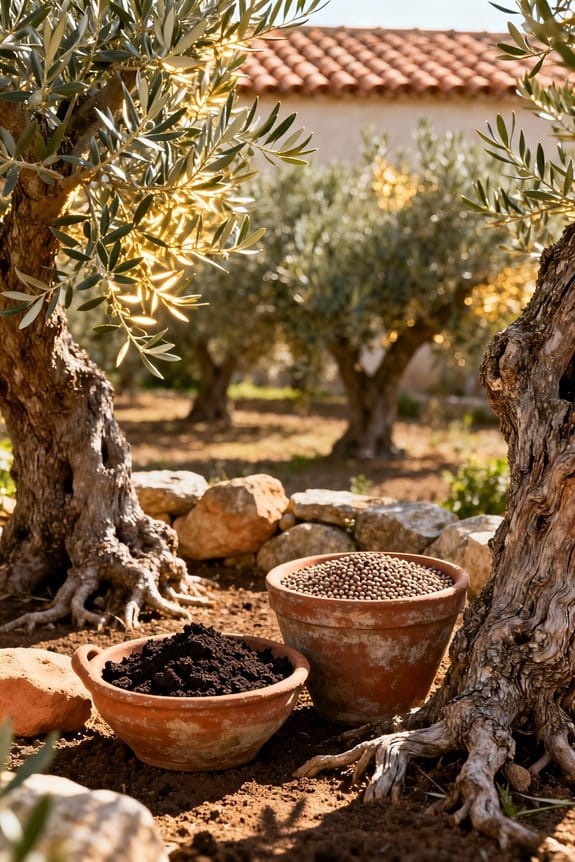
When choosing fertilizers for olive trees, it’s important to take into account their environmental impact alongside growth benefits. Organic fertilizers, like compost or aged manure, release nutrients slowly. This reduces nutrient leaching that contaminates water sources. In addition, organic fertilizers improve soil health by increasing biodiversity and enhancing soil structure. Conversely, synthetic fertilizers often disrupt soil pH and degrade soil health when overused, leading to nutrient depletion and harming nearby ecosystems. Organic fertilizers also provide environmental benefits by promoting carbon sequestration in the soil, which helps mitigate climate change. Studies show that organic fertilizer production emits fewer greenhouse gases compared to synthetic options. As a result, applying approximately 2-3 kg of organic fertilizer per tree annually supports sustainable growth while safeguarding the environment better than synthetic fertilizers, which may cause more harm over time. Additionally, using organic-approved products can protect beneficial insects and minimize harm to the surrounding ecosystem.
Nutrient Release Patterns: Slow Vs Fast Release
Nutrients reach olive trees at different rates depending on the fertilizer type used. Organic fertilizers release nutrients slowly over weeks or months, often influenced by soil temperature and moisture, providing a steady supply that olive trees absorb gradually. This slow nutrient release supports ongoing growth and reduces risks of leaching. Synthetic fertilizers, by contrast, supply nutrients quickly after application, delivering immediate availability within days, which is beneficial during rapid growth or nutrient deficiency. However, fast release increases the chance of nutrient runoff during heavy rainfall. Controlled-release synthetic products offer a compromise, releasing nutrients steadily over about 8 to 12 weeks. Using a blend of organic and synthetic fertilizers can help olive trees get prompt nutrition while maintaining soil health, thanks to a balanced nutrient release pattern suited to their growing cycle. Maintaining soil moisture at 20-30% is essential to optimize nutrient uptake and avoid negative effects such as root rot during fertilization.
Cost Considerations in Fertilizer Choice
Cost often shapes the decision on which fertilizer to use for olive trees just as much as nutrient release patterns do. Organic fertilizers typically cost more, ranging from $50 to $100 per 50-pound bag, due to natural production and sourcing. Synthetic fertilizers often cost less, around $20 to $40 per 50-pound bag, providing quicker nutritional support ideal for early growth stages. However, excessive synthetic use may degrade soil health, leading to expensive remediation efforts that can exceed initial savings. Organic fertilizers improve soil structure over time, reducing future amendment costs. When choosing, it helps to factor in long-term sustainability since organic options support ongoing soil fertility and lower dependence on chemicals, which might become pricier with stricter environmental rules. This makes organic fertilizers a sound investment for enduring orchard health. Additionally, ensuring the soil has balanced nutrient content tailored to olive trees can optimize fertilizer effectiveness and plant health.
How Fertilizer Choice Affects Soil Health
Although fertilizer choice might seem like just a matter of feeding olive trees, it significantly impacts soil health beneath the surface. Organic fertilizers, such as compost or aged manure applied at 2–3 kg per tree annually, improve soil structure by increasing microbial activity and stabilizing pH around 6.5 to 7.0. These fertilizers slowly release nutrients, enhancing nutrient retention and reducing risks of leaching during heavy rains. Conversely, synthetic fertilizers often cause fluctuating pH levels and lower microbial diversity if overused, which can deplete the soil over time. Synthetic types also require more frequent applications due to poor nutrient retention, typically every 4–6 weeks during the growing season. Organic fertilizers further support better cation exchange capacity, improving nutrient availability and overall soil health for sustainable olive tree growth. Additionally, choosing the appropriate support system, such as durable steel stakes, can complement soil health efforts by promoting stable tree growth in various soil conditions.
Integrated Fertilization Strategies for Olive Trees
Combining organic and synthetic fertilizers creates a balanced plan for olive tree care. Organic fertilizers boost soil health by improving nutrient retention and microbial activity. Synthetic fertilizers offer immediate nutrient availability, especially beneficial for young trees needing rapid growth. Applying organic fertilizers early in spring prepares the soil. Then, use synthetic fertilizers during active growth to meet urgent nutritional demands. Regular soil and leaf tests guide precise nutrient applications, preventing over- or under-fertilizing. Typically, apply 50-70 kg of nitrogen per hectare annually, splitting doses according to tree age and season. This strategy enhances both short-term growth and long-term soil fertility. Integrated fertilization supports healthy trees and consistent yields by combining quick nutrient supply with sustained soil improvement effectively.
Transitioning From Synthetic to Organic Fertilizers
Shifting olive trees from synthetic to organic fertilizers requires careful planning and patience. Begin by applying organic fertilizers such as 2-3 inches of compost or aged manure around the root zone during the pre-plant phase. Continue using synthetic fertilizers sparingly in the early growth stages to maintain nutrient levels, but gradually reduce synthetic inputs over 2-3 years. Organic fertilizers release nutrients slowly, improving soil health by fostering beneficial microbes and reducing nutrient leaching. Synthetic fertilizers provide quick nutrient boosts but can degrade soil structure over time. Monitor soil temperature, ideally between 60-75°F, to optimize microbial activity and nutrient availability. This change fosters sustainable soil fertility and better olive tree resilience, though results may take several seasons to become fully evident. Patience and consistent application are key for a successful switch to organic fertilizers. Additionally, incorporating organic materials into the soil further enhances nutrient retention and promotes robust olive tree growth.
Best Practices for Application of Organic and Synthetic Fertilizers
Understanding how to apply organic and synthetic fertilizers properly makes a big difference in olive tree health. Organic fertilizers like composted manure should be applied at 50 kg per tree every 2-3 years to improve soil quality and maintain steady nutrient availability. Synthetic fertilizers such as urea or ammonium nitrate provide quick nutrient boosts, especially in young trees, and are best applied at key growth stages. Always place fertilizers beneath the branches—not near the trunk—to optimize nutrient uptake and avoid damaging the tree. Regular monitoring of soil and leaf tissue allows precise adjustments, preventing over-fertilization and protecting the environment. Foliar spraying of liquid fertilizers during critical periods can quickly correct nutrient deficiencies, supporting overall tree vigor and yield. Following these practices balances immediate needs with long-term soil health. Using tools like a soil moisture meter can help ensure that watering and fertilization are aligned for optimal nutrient absorption.
Recommended Products
![Organic Plant Magic - Truly Organic™ Long-Lasting Spreadable Plant Food: All-Purpose Fertilizer Granules for All Flower Vegetable Herb Fruit Tree Shrub Container Garden & House Plants [One 20 lb Bag]](https://m.media-amazon.com/images/I/41j8HNEs+mL._SL500_.jpg)
New Spreadable Fertilizer Granules - Amazing Benefits that Plants & Customers LOVE!

Gardening Mix: Get more out of your flowers, shrubs, and more by mixing the soil with this succulent soil mix to provide natural nutrients for all of your plants free of odor and chemicals
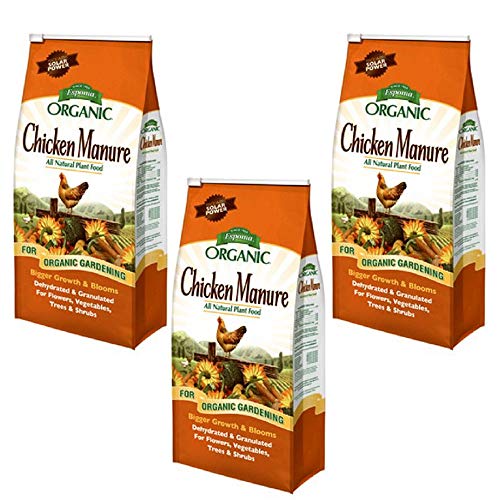
Natural Plant Food: You receive (3) 25lb bags of plant food great for use on flowers, vegetables, trees, and shrubs.
Frequently Asked Questions
What Is the Best Fertilizer for Olive Trees?
The best fertilizer for olive trees balances nutrient requirements, supports soil health, matches growth stages, and suits application methods. Slow-release, balanced NPK, preferably organic, optimizes nutrient delivery while promoting sustainable tree health and long-term productivity.
Is Organic Fertilizer Better Than Synthetic Fertilizer?
Organic fertilizer is generally better due to organic benefits like improved soil health and reduced nutrient leaching. Synthetic drawbacks include rapid nutrient availability but increased environmental impact and potential soil depletion when overused, making organics more sustainable overall.
Should You Fertilize an Olive Tree?
Fertilizing an olive tree, like tuning a delicate instrument, should align with nutrient requirements and fertilizing frequency to maintain soil health. Proper management minimizes environmental impact while supporting balanced growth and ideal fruit production.
Is 20-20-20 Fertilizer Good for Olive Trees?
The 20-20-20 fertilizer benefits olive tree growth by providing balanced nutrients; however, careful fertilizer application is essential to maintain nutrient balance, preventing excessive foliage growth and ensuring ideal fruit production and overall tree health.


